Dog Whelk (Thais lapillus)

from $85.00
Quantity:

Live Atlantic Dogwinkle (Thais lapillus)
Please note this is a live marine specimen.

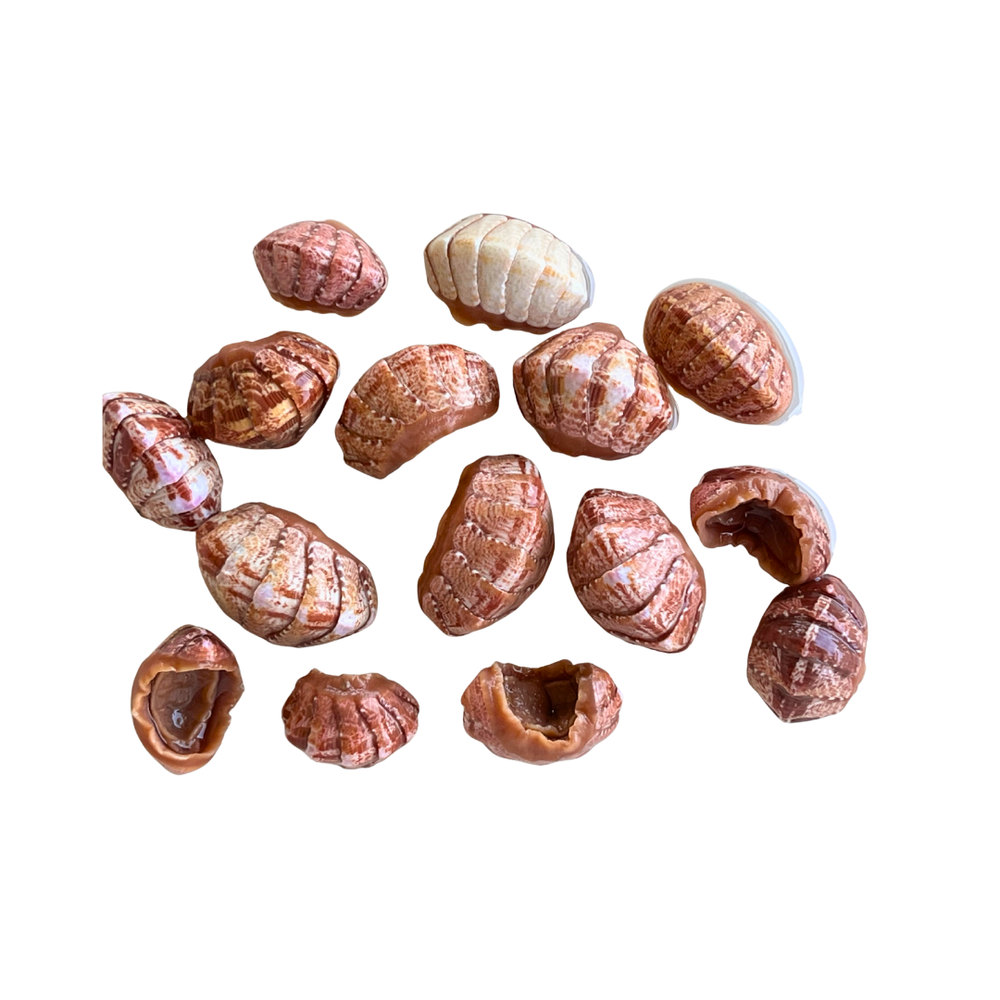
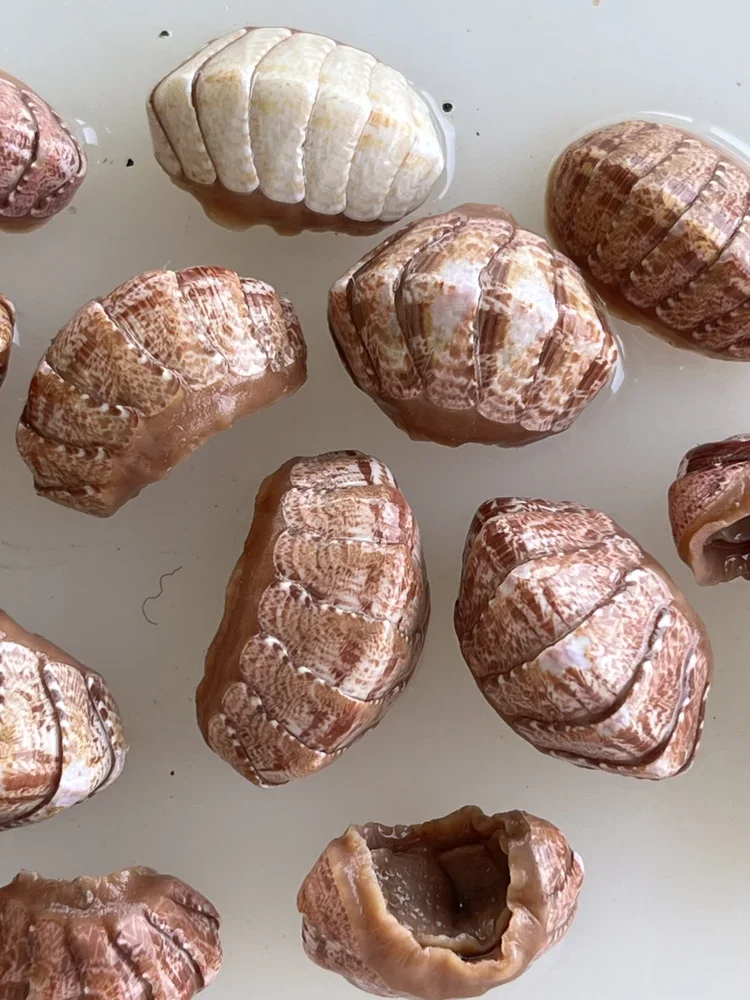
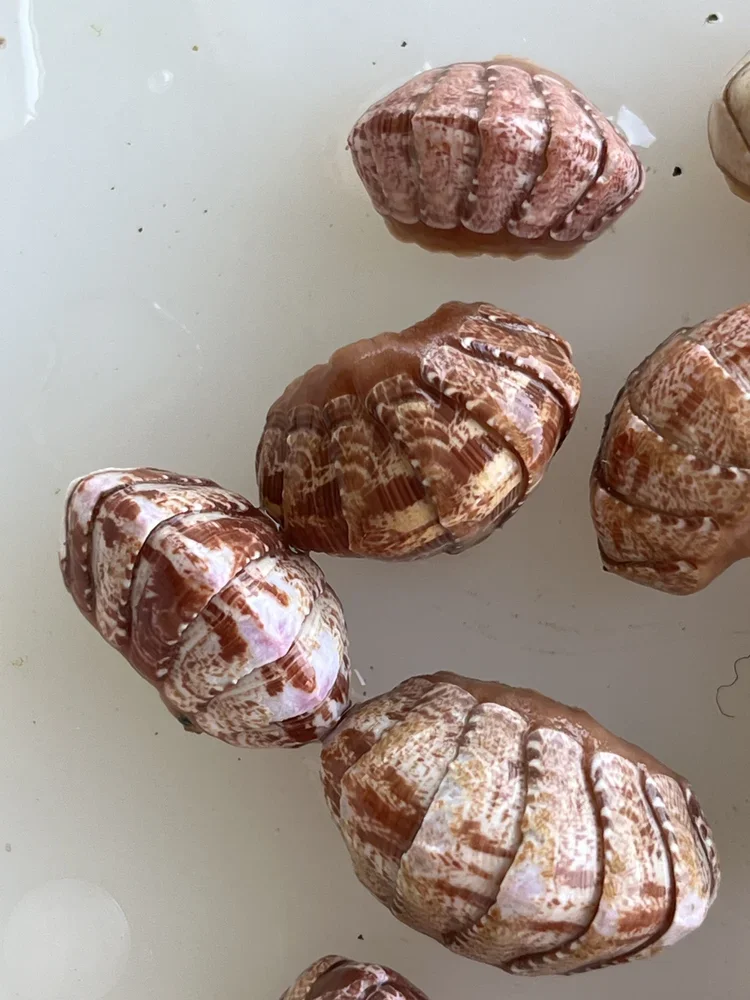
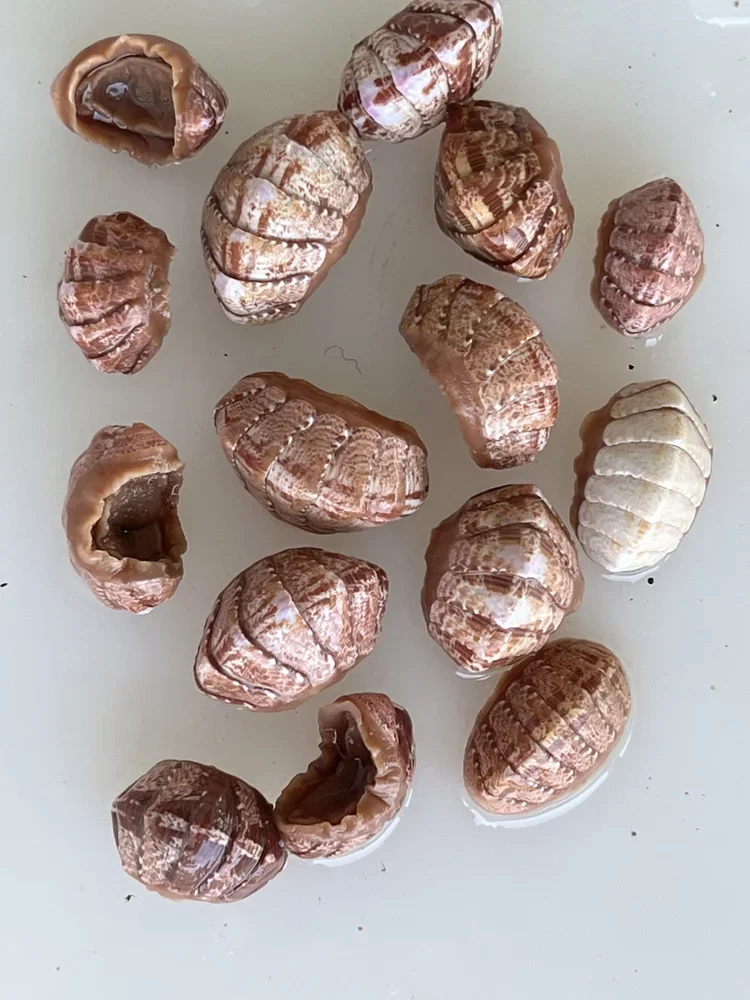
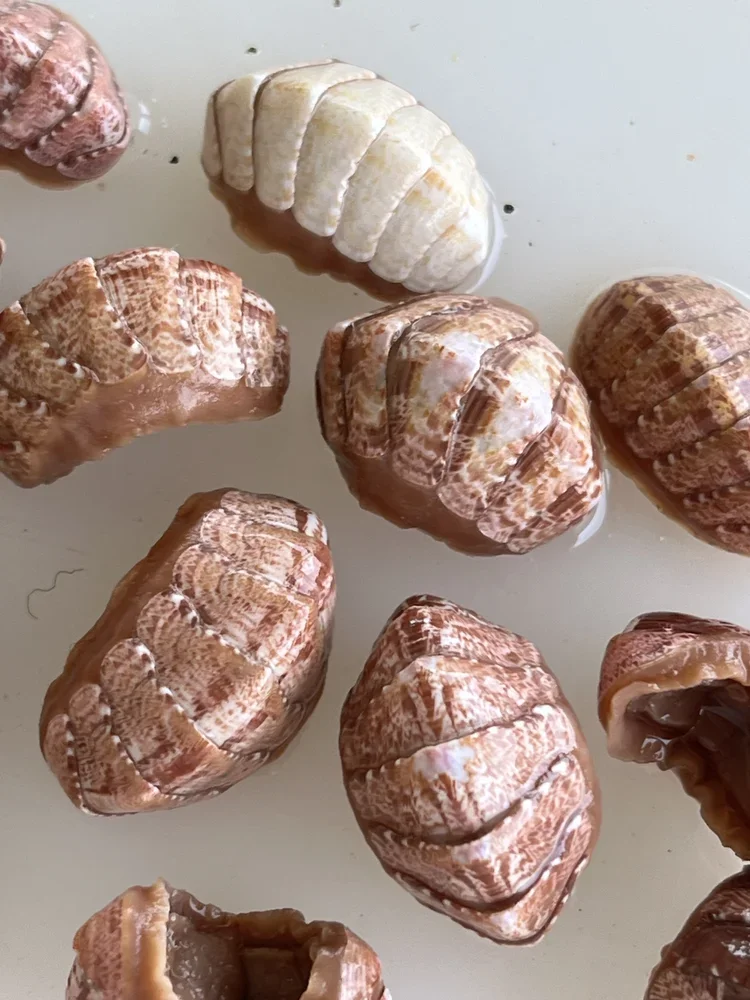
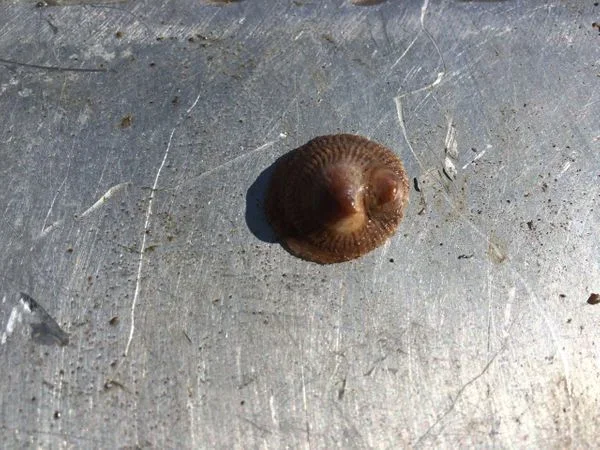
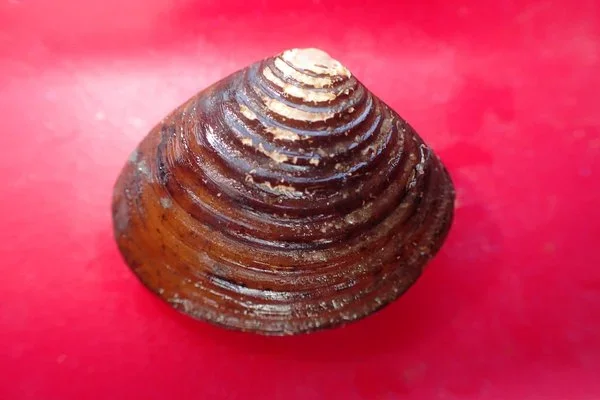
The Atlantic Dogwinkle (Thais lapillus), also known as the Dog Whelk, is a hardy intertidal snail commonly found along Maine’s rocky shores. Living among rocks and seaweed beds from the mid to low tide zone, this predatory gastropod feeds on barnacles and mussels using its specialized radula. Its sturdy shell and variable coloration—from pure white to striped or tan—make it both a fascinating study subject and a resilient addition to aquaria. Sustainably hand-collected from the Gulf of Maine’s coastal habitats, this species provides an excellent opportunity to observe marine adaptation and behavior in action.

Key Facts:
Common name: Atlantic dogwinkle, dog whelk
Scientific name: Thais lapillus
Locations: Mid to low tide in among rocks and seaweed beds
Seasonality: Available year-round
Colors: White, white & black striped, brown, tan
Size: 1”
Collected: By hand
Quantity: Sold by the each
Note: This is a live marine specimen. Natural variations in size, color, and appearance from photos should be expected. If you would like any specimen preserved, please send a request to: info@gulfofme.com.

Live Atlantic Dogwinkle (Thais lapillus)
Please note this is a live marine specimen.

The Atlantic Dogwinkle (Thais lapillus), also known as the Dog Whelk, is a hardy intertidal snail commonly found along Maine’s rocky shores. Living among rocks and seaweed beds from the mid to low tide zone, this predatory gastropod feeds on barnacles and mussels using its specialized radula. Its sturdy shell and variable coloration—from pure white to striped or tan—make it both a fascinating study subject and a resilient addition to aquaria. Sustainably hand-collected from the Gulf of Maine’s coastal habitats, this species provides an excellent opportunity to observe marine adaptation and behavior in action.

Key Facts:
Common name: Atlantic dogwinkle, dog whelk
Scientific name: Thais lapillus
Locations: Mid to low tide in among rocks and seaweed beds
Seasonality: Available year-round
Colors: White, white & black striped, brown, tan
Size: 1”
Collected: By hand
Quantity: Sold by the each
Note: This is a live marine specimen. Natural variations in size, color, and appearance from photos should be expected. If you would like any specimen preserved, please send a request to: info@gulfofme.com.

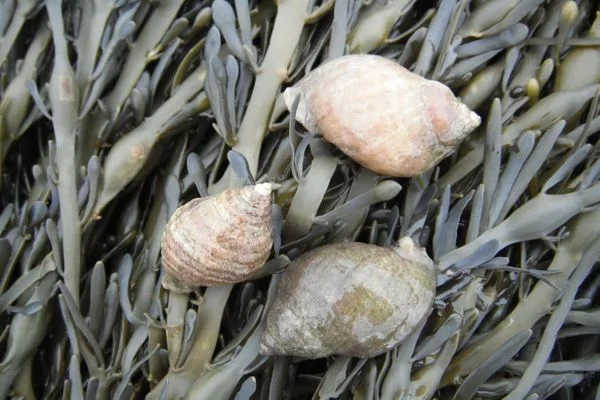
Several dogwinkles on an intertidal rock.

Several dogwinkles on an intertidal rock.

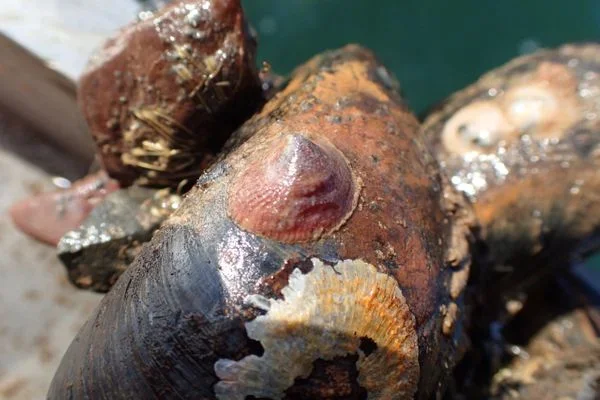
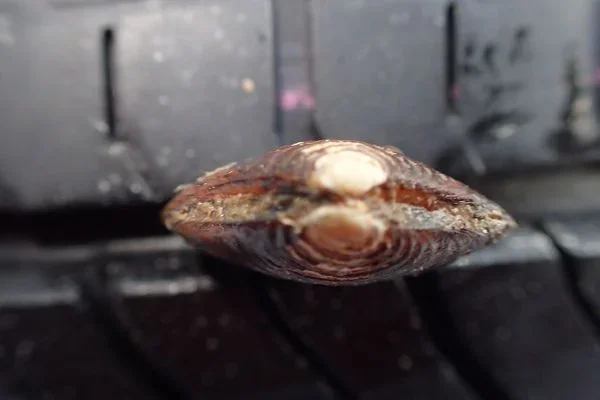
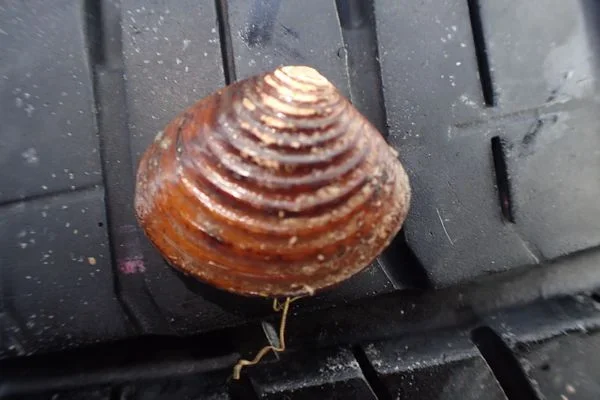
Tidepool Tim says,  “Dogwinkles are an interesting snail because they live in the middle of the intertidal zone.  These are predators that feed on other mollusks like blue mussels, periwinkles or crustaceans like barnacles.  They use their toothed tongue or radula to bore a hole into the shell to access the soft parts of their prey. When we need to collect dogwinkles we search the rocks under the largest beds of rockweed.  Groups of dogwinkles are scattered among these beds - it is kind of hit-or-miss. Dogwinkles are great aquarium specimens and seem to live for extended periods of time on the glass sides of our tanks. Seagulls seem to be the biggest predator on this type of snail. We have found dead dogwinkles that are cemented to rocks by the byssal threads of blue mussels.  It is thought that mussels lash them down with their threads as a way to prevent predation. The winkle, once latched into place, cannot move to feed or get to water eventually will die.”