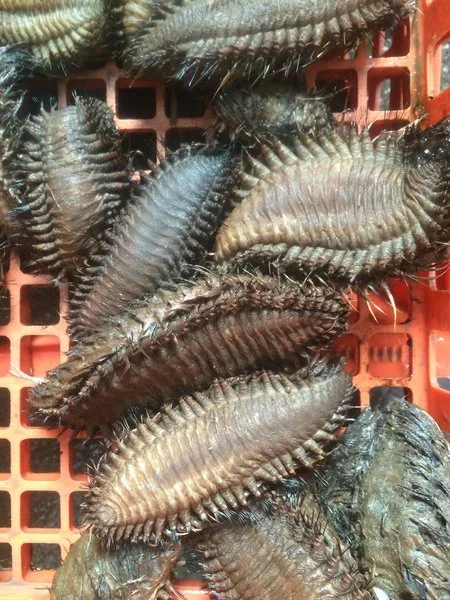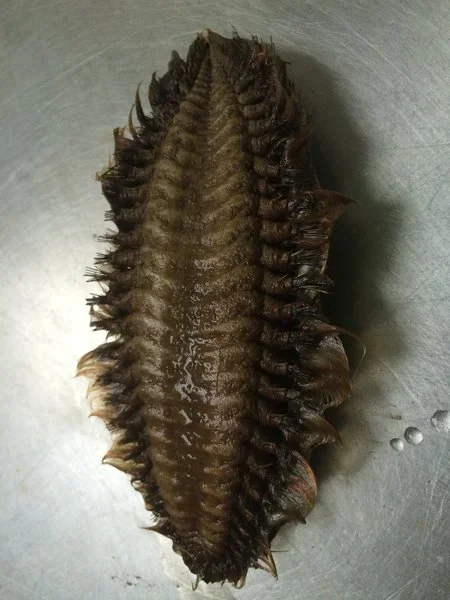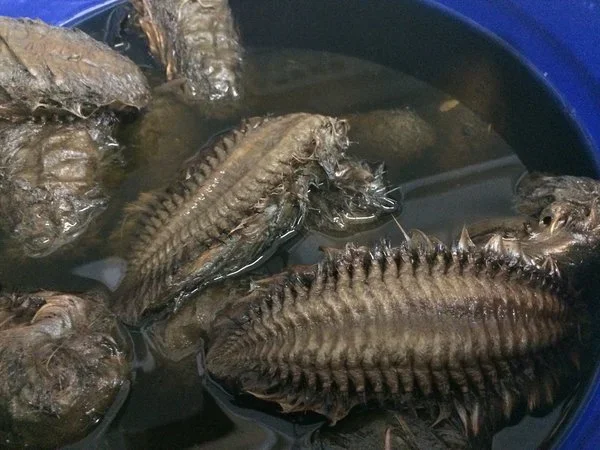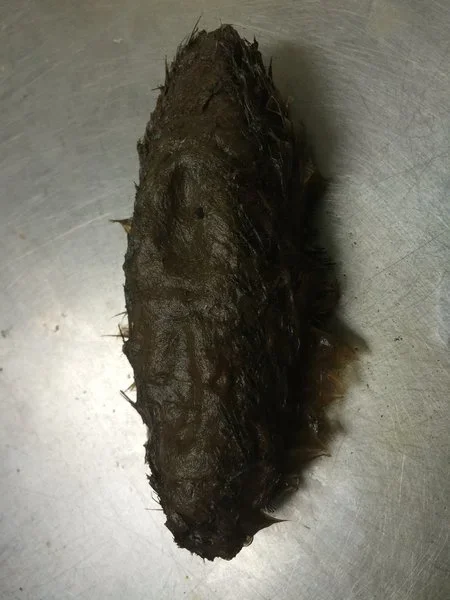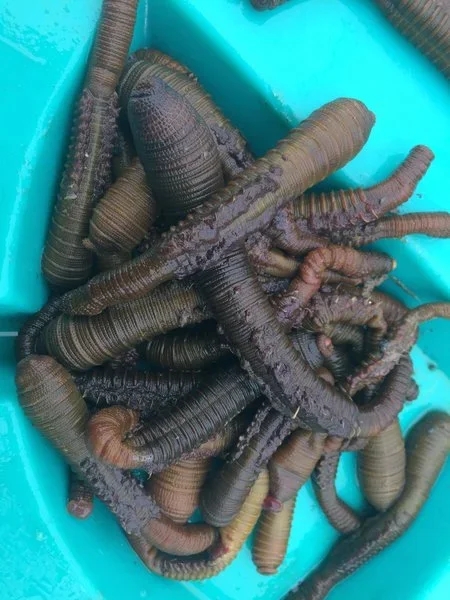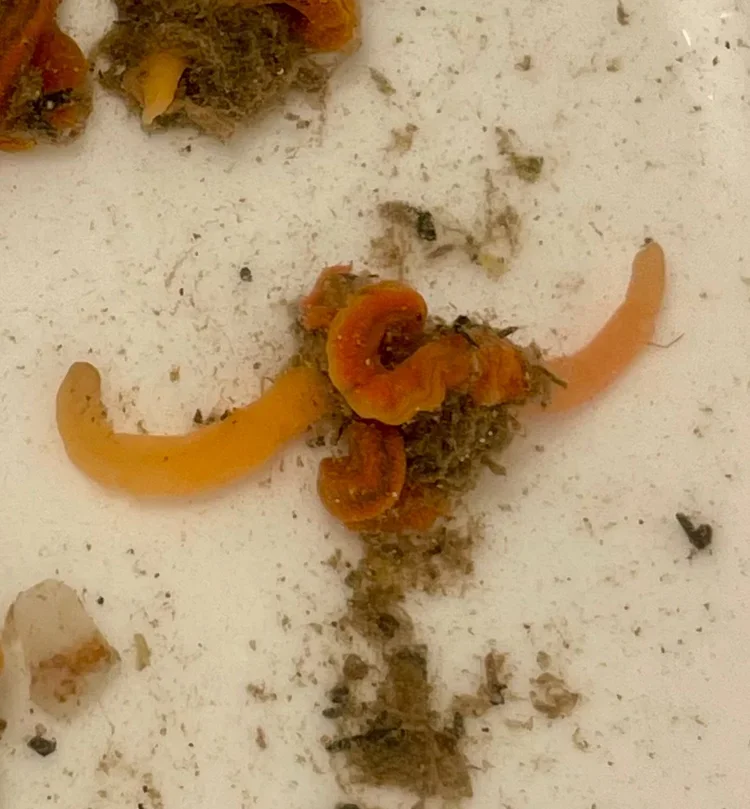
Acorn Worm (Saccoglossus spp.)

from $150.00
Quantity:

Live Acorn Worm (Saccoglossus spp.)
Please note this is a live science specimen.

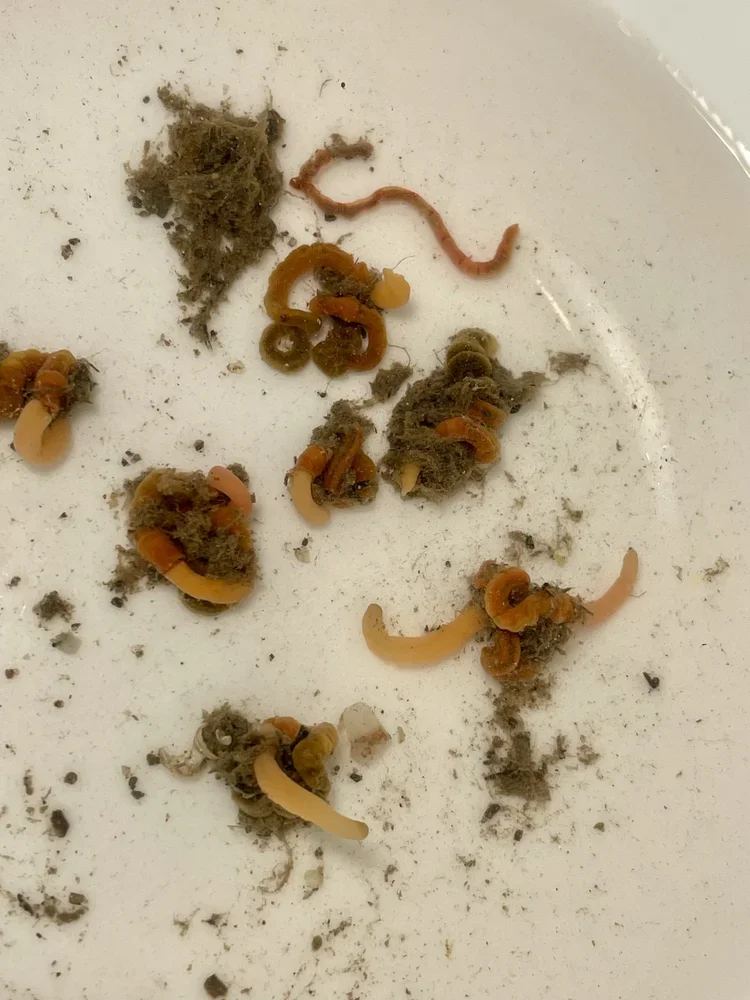
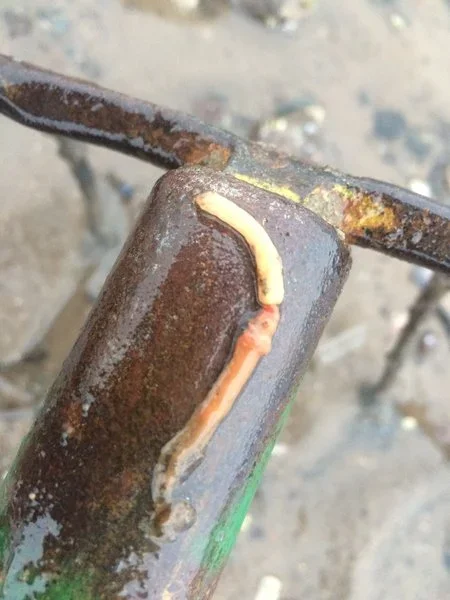
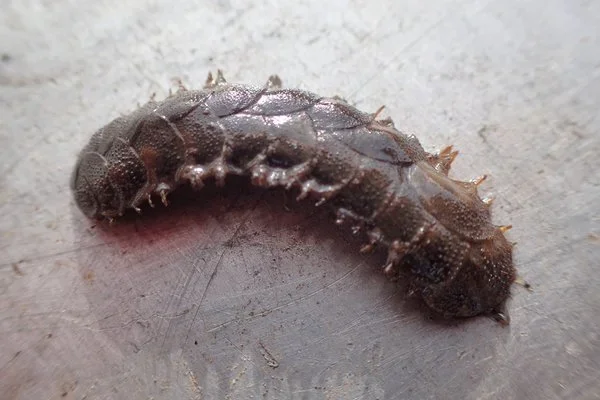
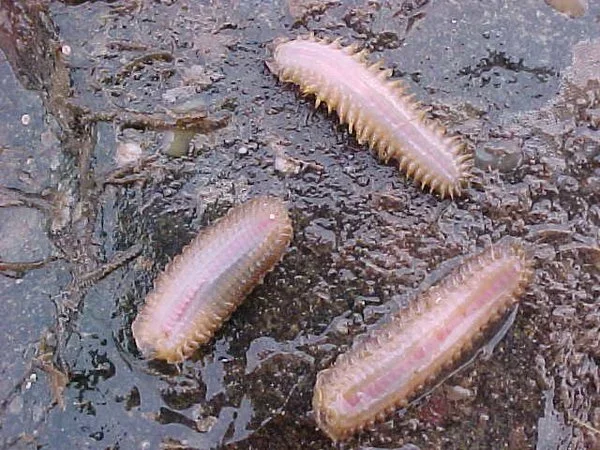
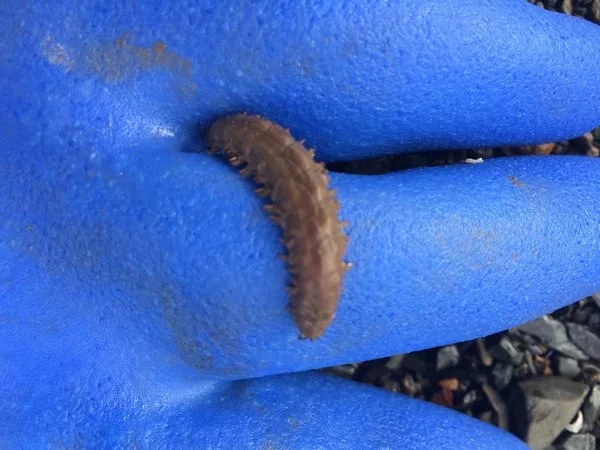
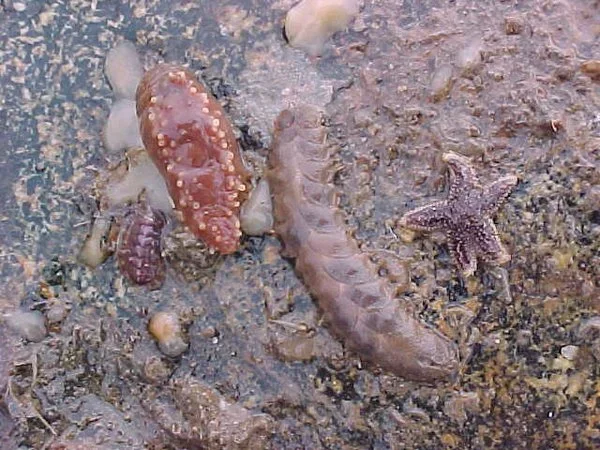
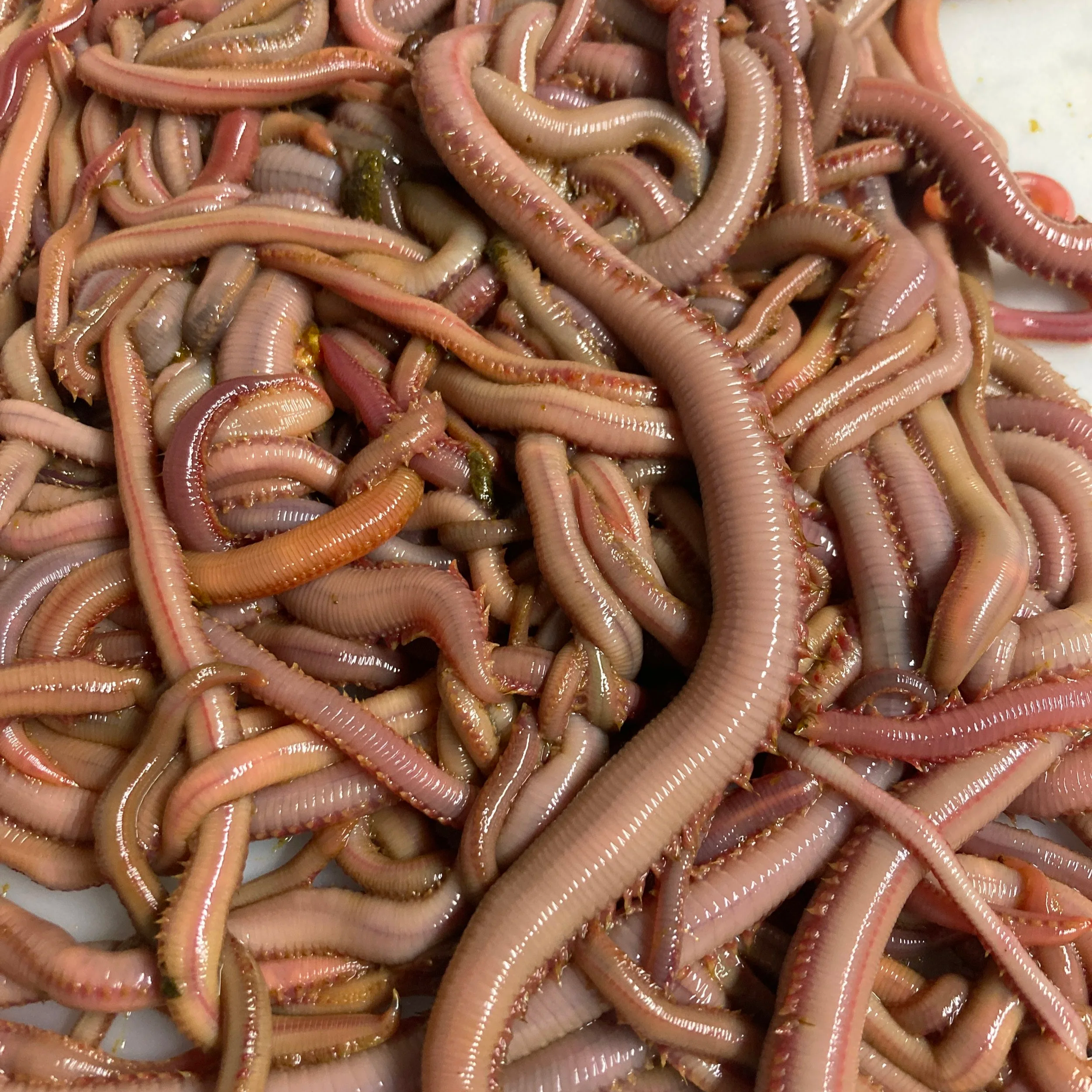
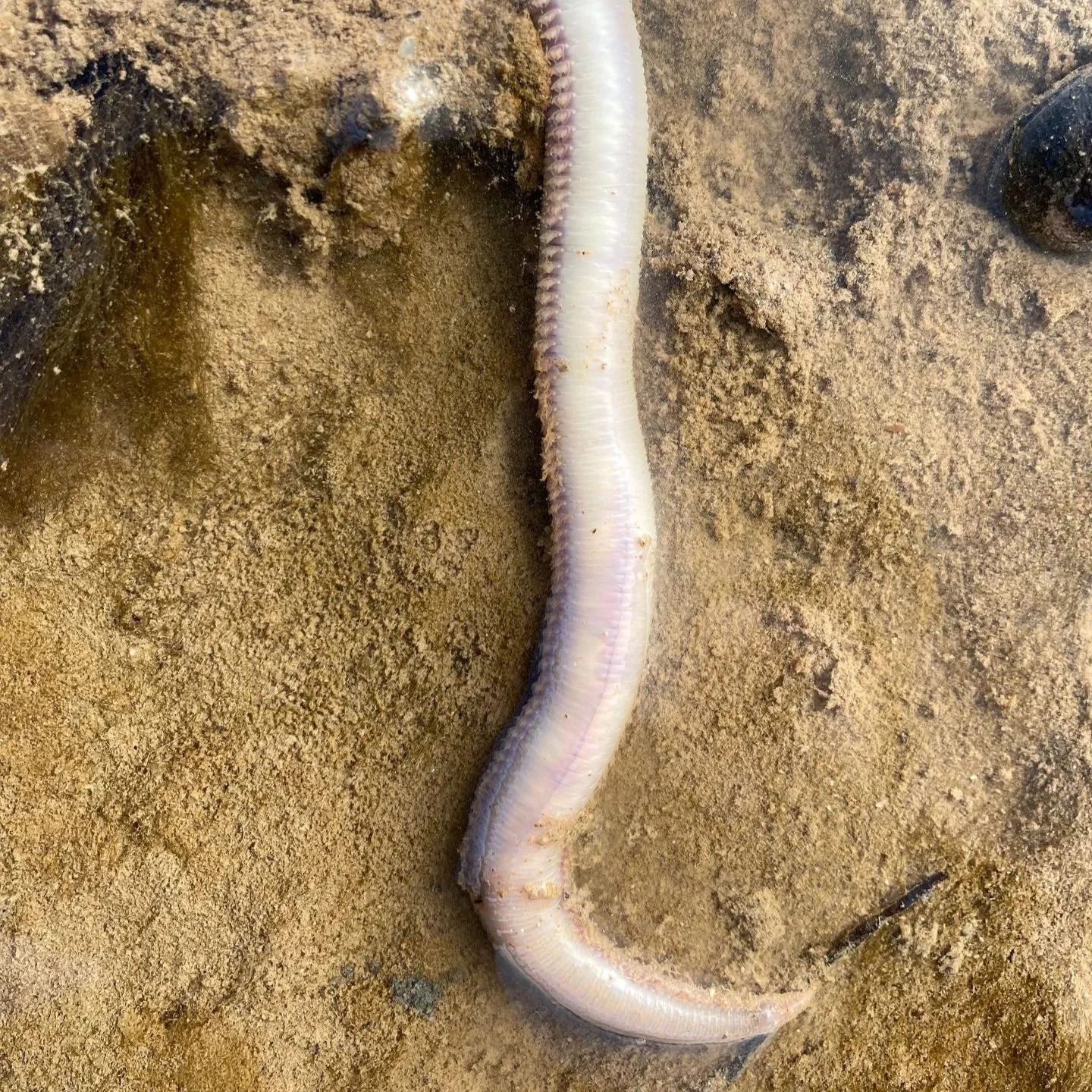
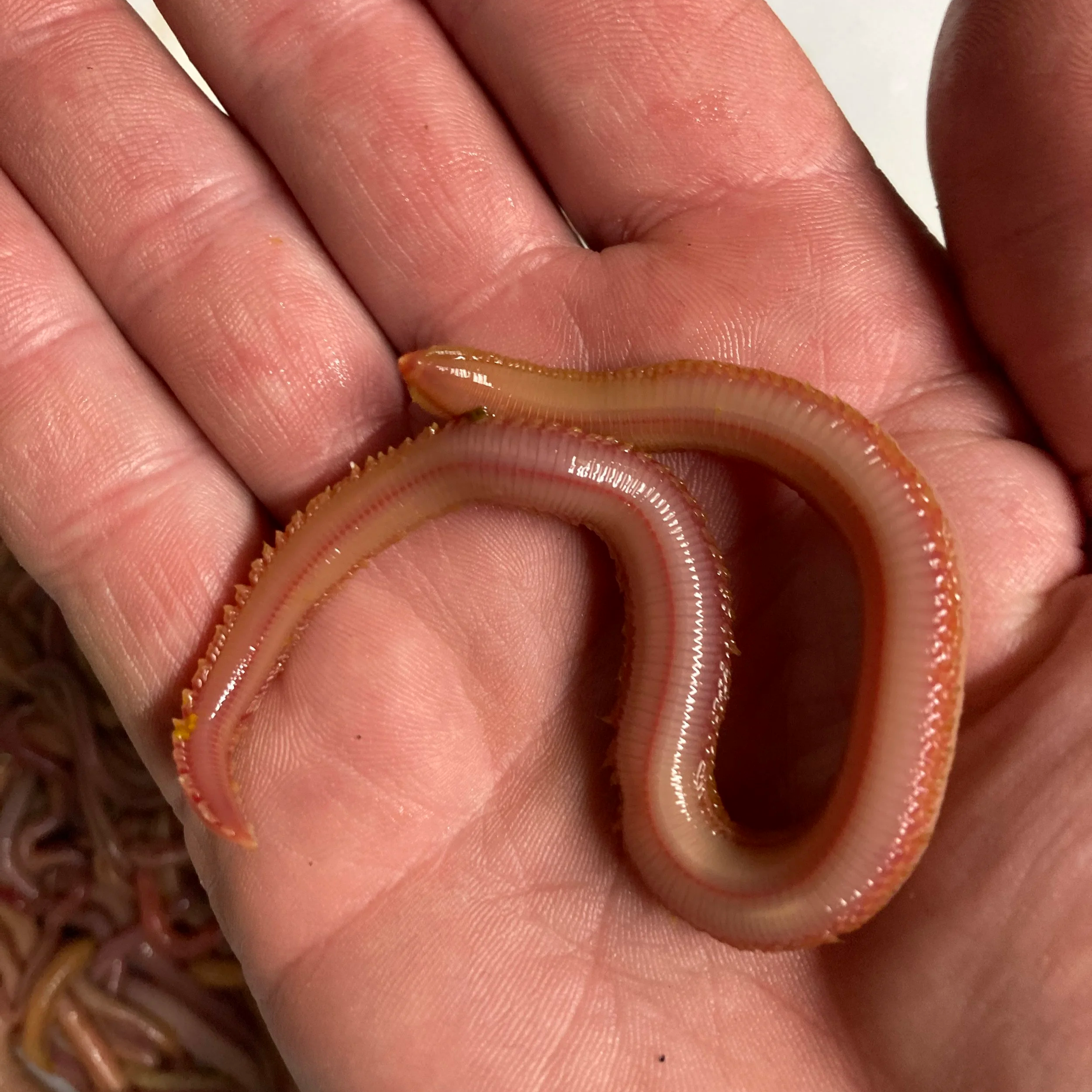
The Acorn Worm (Saccoglossus spp.) is a fascinating hemichordate found buried in the fine coastal sediments of Maine. Recognized for its tubular, soft body and acorn-shaped proboscis, this species plays an important role in marine ecology as a deposit feeder that aerates the sediment. Ideal for marine biology study, classroom demonstration, and research on invertebrate anatomy and hemichordate evolution.
Sustainably hand-collected along the Gulf of Maine’s working waterfront.

Key Facts:
Common name: Acorn worm
Scientific name:Saccoglossus spp.
Location: buried in fine sediment
Seasonality: available all year
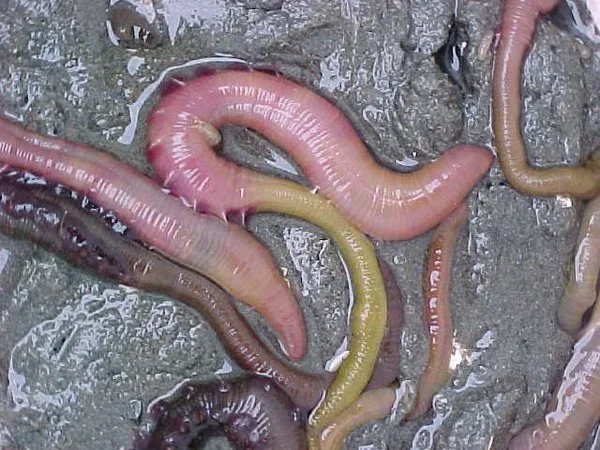
Colors: tan, yellow, brown, purple, or orange
Size: 1" – 2"
Collected: by hand, rake
Quantity: sold by the each
Note: This is a live marine specimen. Natural variations in size, color, and appearance from photos should be expected.

Live Acorn Worm (Saccoglossus spp.)
Please note this is a live science specimen.

The Acorn Worm (Saccoglossus spp.) is a fascinating hemichordate found buried in the fine coastal sediments of Maine. Recognized for its tubular, soft body and acorn-shaped proboscis, this species plays an important role in marine ecology as a deposit feeder that aerates the sediment. Ideal for marine biology study, classroom demonstration, and research on invertebrate anatomy and hemichordate evolution.
Sustainably hand-collected along the Gulf of Maine’s working waterfront.

Key Facts:
Common name: Acorn worm
Scientific name:Saccoglossus spp.
Location: buried in fine sediment
Seasonality: available all year
Colors: tan, yellow, brown, purple, or orange
Size: 1" – 2"
Collected: by hand, rake
Quantity: sold by the each
Note: This is a live marine specimen. Natural variations in size, color, and appearance from photos should be expected.

Digging acorn worms (Saccoglossus spp.) in the snow!

Digging acorn worms (Saccoglossus spp.) in the snow!

Tidepool Tim says,  “Hemichordates like the acorn worm are a small phylum with large evolutionary importance!  It's worth carefully recovering these worms from their burrows for research and educational purposes.  Another familiar group of hemichordates is the graptolites, well-known index fossils often used to date rocks (biostratigraphy).

Acorn worms have classic hemichordate triple body division and use their proboscis to burrow through the sediment.  They can either suspension feed (in water) or deposit feed (in sediment).  Acorn worms are difficult to collect because they're extremely thin and fragile bodies break if they are disturbed."