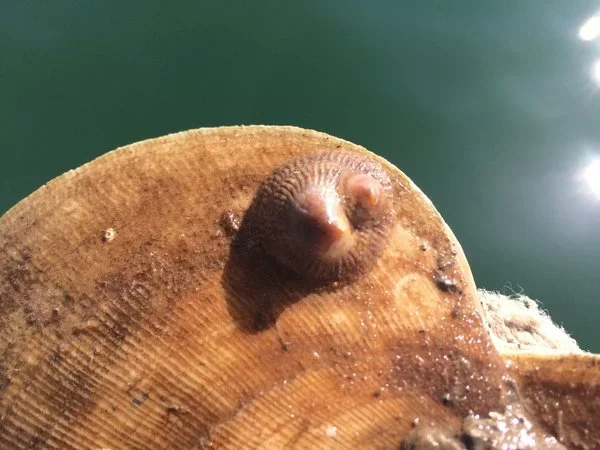
Cup and Saucer Limpet (Crucibulum striatum)

from $95.00
Quantity:

Live Cup-and-Saucer Limpet (Crucibulum striatum)
Please note this is a live marine specimen.

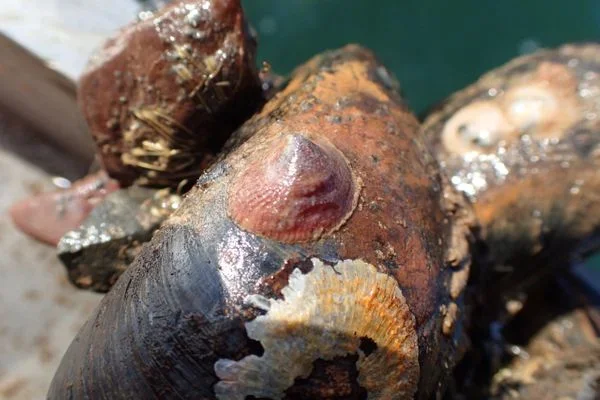
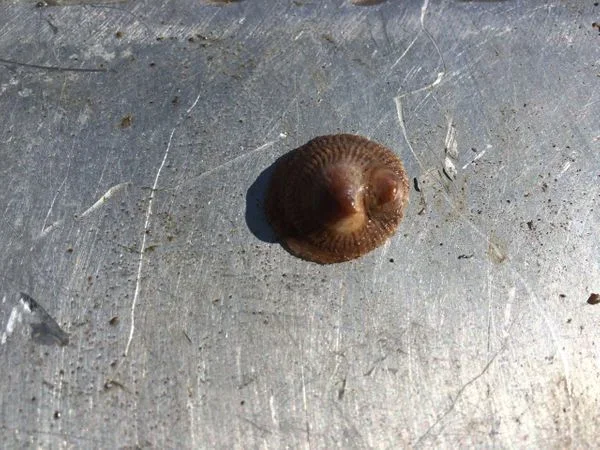
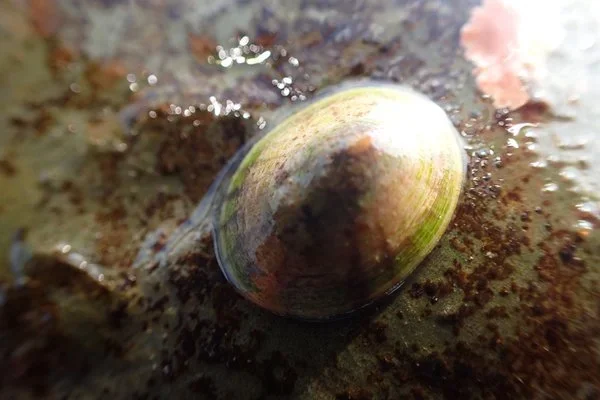
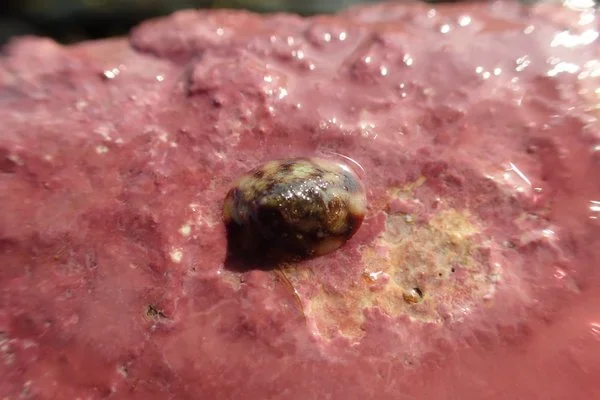
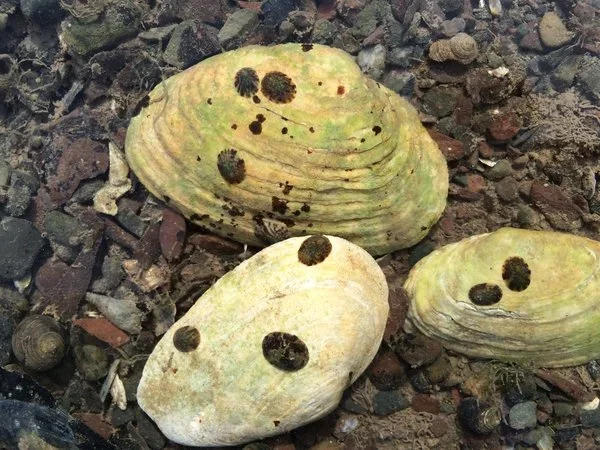
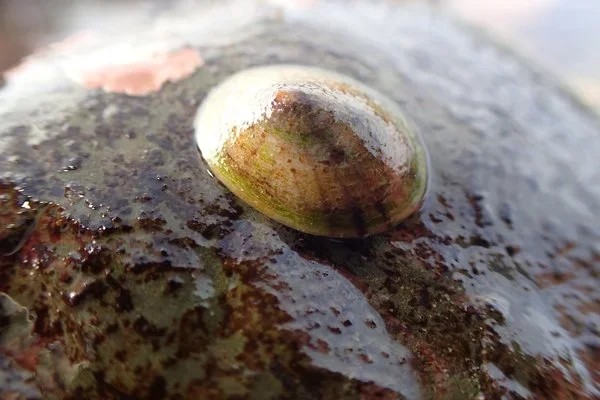
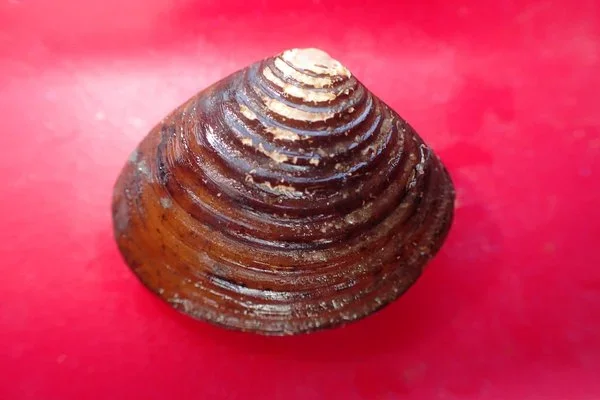
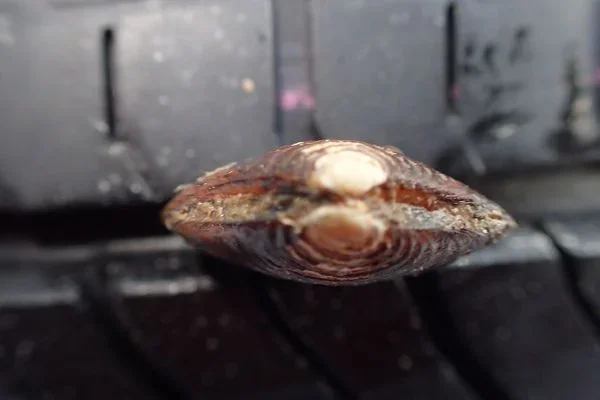
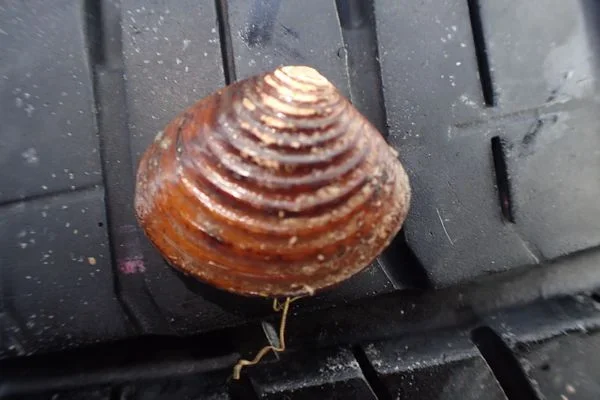
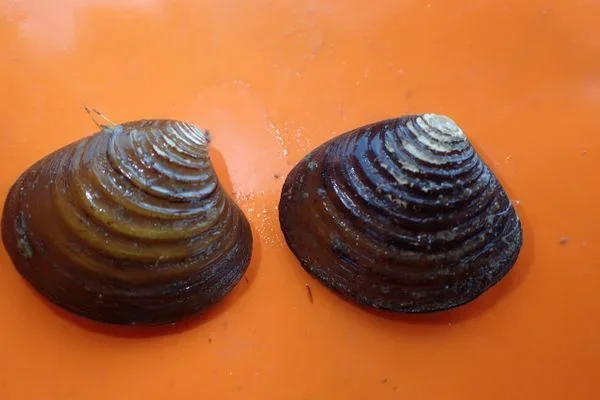
The Cup-and-Saucer Limpet (Crucibulum striatum) is a small, dish-shaped marine gastropod found attached to clam, mussel, and scallop shells, as well as on rocks and stones in Maine’s subtidal waters. Recognized by its unique “cup and saucer” shell structure and soft whitish coloration streaked with brown and rose, this limpet is both scientifically intriguing and visually striking. Each specimen is sustainably hand-collected using knives to gently detach individuals from their substrate. Ideal for aquariums, classroom study, and marine biology research, these limpets provide a living example of gastropod anatomy, shell formation, and intertidal adaptation.

Key Facts:
Common name: Cup-and-saucer limpet
Scientific name: Crucibulum striatum
Locations: Found on live and dead clam, mussel, and scallop shells; also rocks and stones (mostly subtidal)
Seasonality: Available year round
Colors: Whitish with streaks of brown and rose
Size: ¼” – 1”
Collected: By hand, knife used to detach from rocks
Quantity: Sold by the each
Note: This is a live marine specimen. Natural variations in size, color, and appearance from photos should be expected. If you would like any specimen preserved, please send a request to: info@gulfofme.com

Live Cup-and-Saucer Limpet (Crucibulum striatum)
Please note this is a live marine specimen.

The Cup-and-Saucer Limpet (Crucibulum striatum) is a small, dish-shaped marine gastropod found attached to clam, mussel, and scallop shells, as well as on rocks and stones in Maine’s subtidal waters. Recognized by its unique “cup and saucer” shell structure and soft whitish coloration streaked with brown and rose, this limpet is both scientifically intriguing and visually striking. Each specimen is sustainably hand-collected using knives to gently detach individuals from their substrate. Ideal for aquariums, classroom study, and marine biology research, these limpets provide a living example of gastropod anatomy, shell formation, and intertidal adaptation.

Key Facts:
Common name: Cup-and-saucer limpet
Scientific name: Crucibulum striatum
Locations: Found on live and dead clam, mussel, and scallop shells; also rocks and stones (mostly subtidal)
Seasonality: Available year round
Colors: Whitish with streaks of brown and rose
Size: ¼” – 1”
Collected: By hand, knife used to detach from rocks
Quantity: Sold by the each
Note: This is a live marine specimen. Natural variations in size, color, and appearance from photos should be expected. If you would like any specimen preserved, please send a request to: info@gulfofme.com

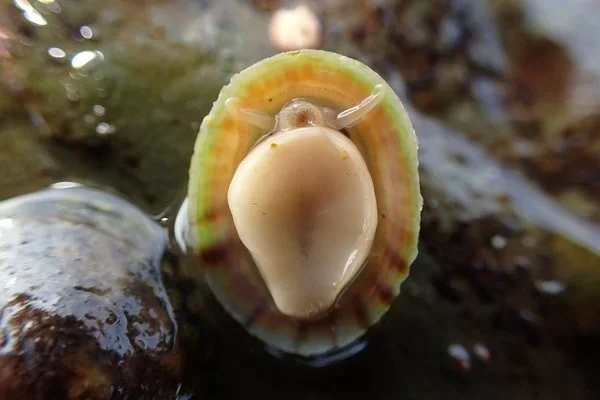
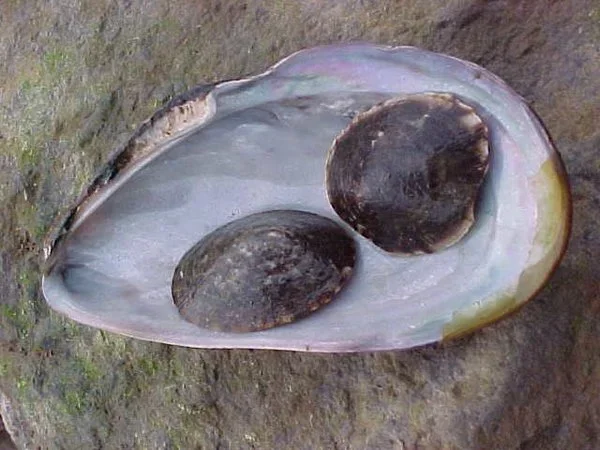
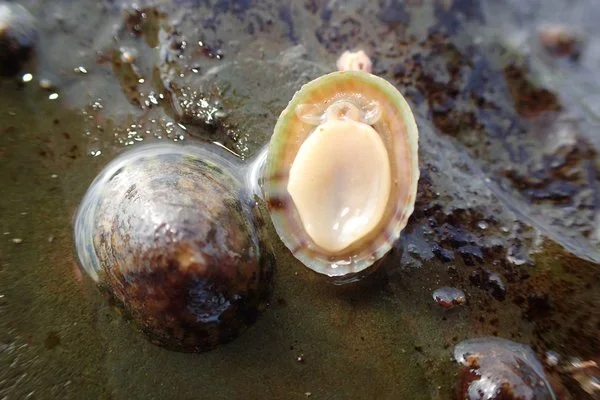
The underside of a cup and saucer limpet laying on a sea scallop.

The underside of a cup and saucer limpet laying on a sea scallop.

Tidepool Tim says,  "The name of this little fellow is dead on - it looks like a little cup with a saucer!  Of course, you have to kill him and pull out his body to fully appreciate it, but if you find just the shell washed up on the beach doing this is not necessary.  The top of the shell curls over to one side and it has delicate little ridges running down the sides. We find these when dredging for other specimens like sponges or shrimp.  Typically they are attached to blue mussel shells or scallop shells - sometimes a small stone or even a live whelk. Once only we had one attached to a green crab. I am not certain but believe these to feed on plankton or other detritus. Like slipper shells we often find them stacked one on top of another for reproduction purposes."