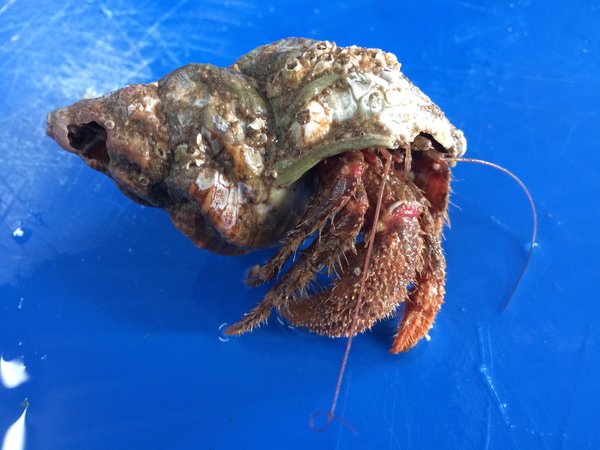
Hairy Hermit Crab (Pagurus spp.)

from $80.00
Quantity:

Live Hairy Hermit Crab (Pagurus spp.) | Maine Intertidal Specimen

This is a wet, live, science specimen.

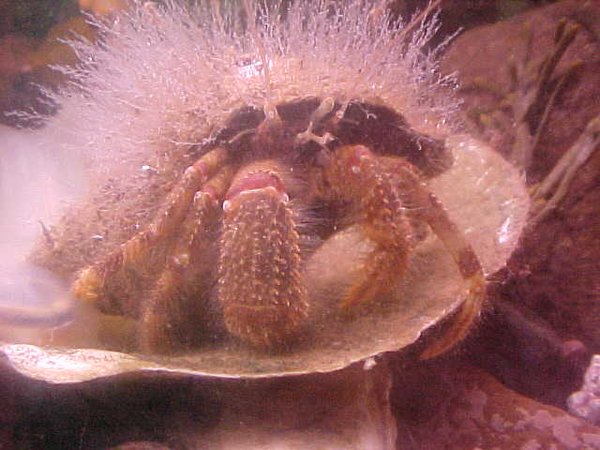
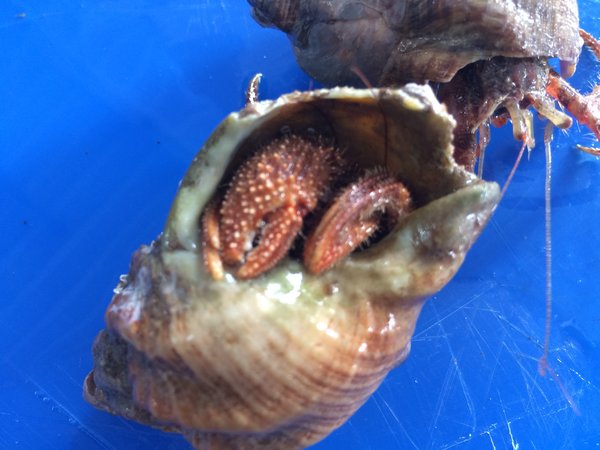
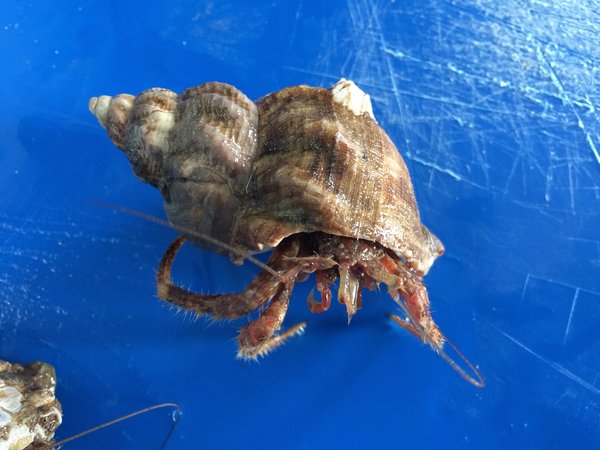
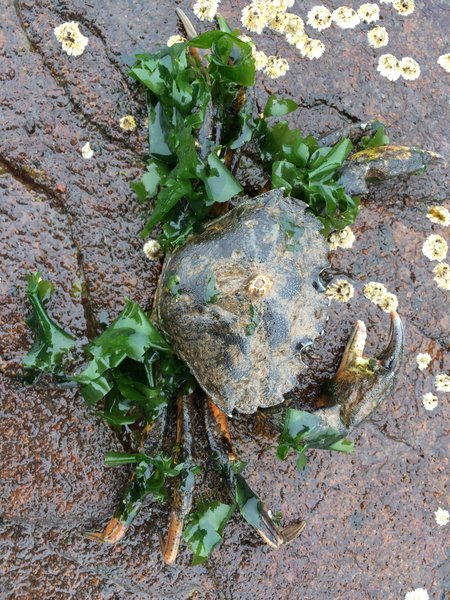
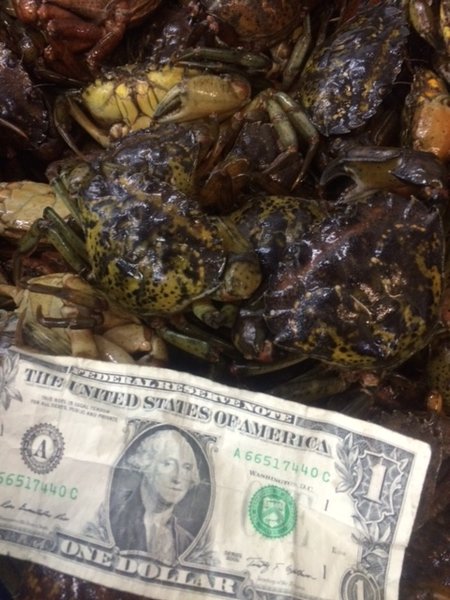
Collected from the rocky shores of Maine’s intertidal zone, the Hairy Hermit Crab (Pagurus spp.) is a hardy and fascinating crustacean known for its protective shell-dwelling behavior and fuzzy appendages. Commonly found among rocks, seaweed, and tidal pools, this species plays an important ecological role in recycling shells and organic material. Perfect for aquariums, classroom observation, or marine biology research.

Common name: Hairy hermit crab
Scientific name: Pagurus spp.
Locations: rocky shores of the intertidal zone
Seasonality: available all year
Color: red – brown
Size: 2” – 3”
Collected: by hand
Quantity: sold by the each

Note: This is a live marine specimen. Natural variations in size, color, and appearance from photos should be expected. If you would like any specimen preserved, please send a request to: info@gulfofme.com.

Live Hairy Hermit Crab (Pagurus spp.) | Maine Intertidal Specimen

This is a wet, live, science specimen.

Collected from the rocky shores of Maine’s intertidal zone, the Hairy Hermit Crab (Pagurus spp.) is a hardy and fascinating crustacean known for its protective shell-dwelling behavior and fuzzy appendages. Commonly found among rocks, seaweed, and tidal pools, this species plays an important ecological role in recycling shells and organic material. Perfect for aquariums, classroom observation, or marine biology research.

Common name: Hairy hermit crab
Scientific name: Pagurus spp.
Locations: rocky shores of the intertidal zone
Seasonality: available all year
Color: red – brown
Size: 2” – 3”
Collected: by hand
Quantity: sold by the each

Note: This is a live marine specimen. Natural variations in size, color, and appearance from photos should be expected. If you would like any specimen preserved, please send a request to: info@gulfofme.com.

In this case, it looks like the hairy hermit molted and moved out of his hairy shell into a fur-free one.  The hydroids on his body will now most likely colonize the big new shell.

In this case, it looks like the hairy hermit molted and moved out of his hairy shell into a fur-free one.  The hydroids on his body will now most likely colonize the big new shell.

Tidepool Tim says,  "This crab's "hair" is really a hydroid colonial organism called "snail fur" (Hydractinia echinata). The hydroid doesn't directly harm the crab, and research is being done to determine the nature of this symbiotic relationship. Hermit crabs are more like little crawfish or lobsters structurally, but they have soft abdomens and live in borrowed shells for protection."