Live Crustose Coralline Algae (Lithothamnion spp.)
This is a wet, live, science specimen
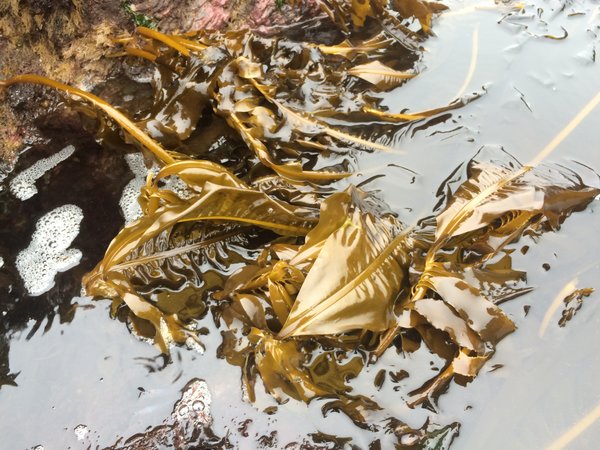
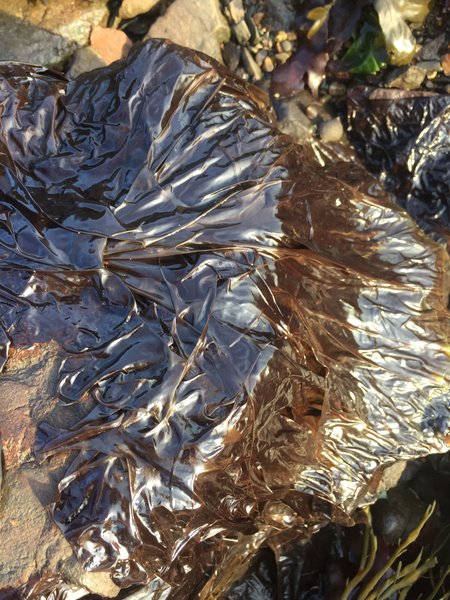
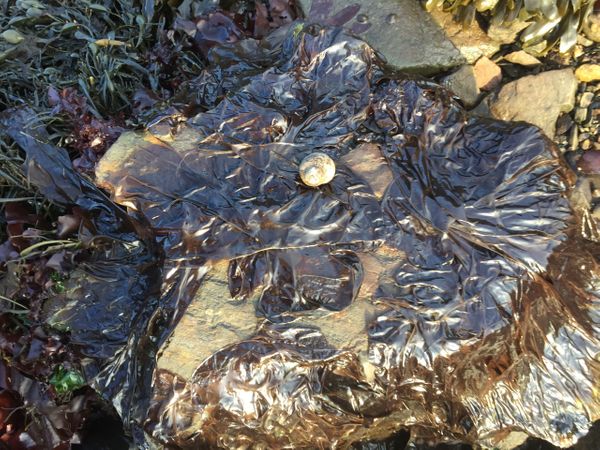
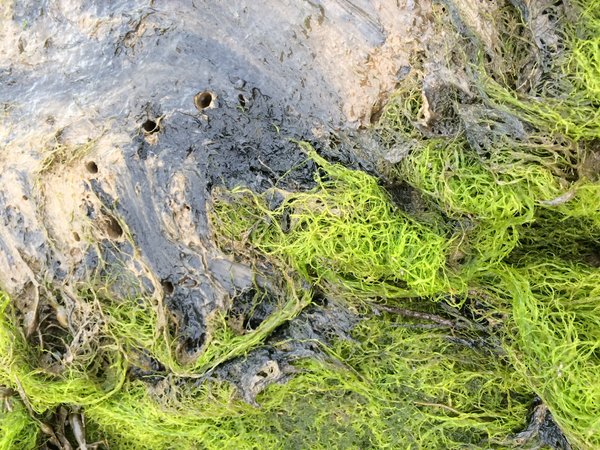
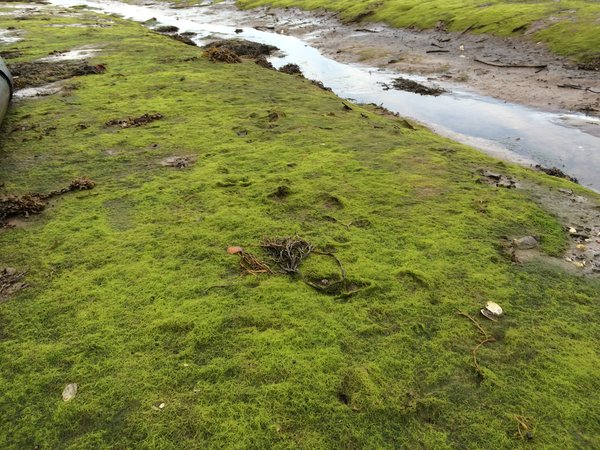
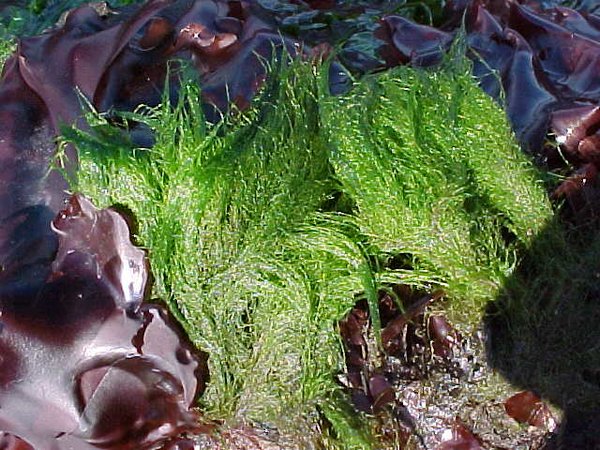
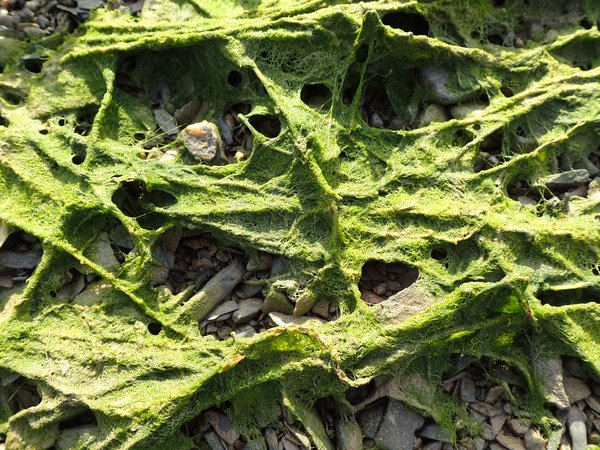
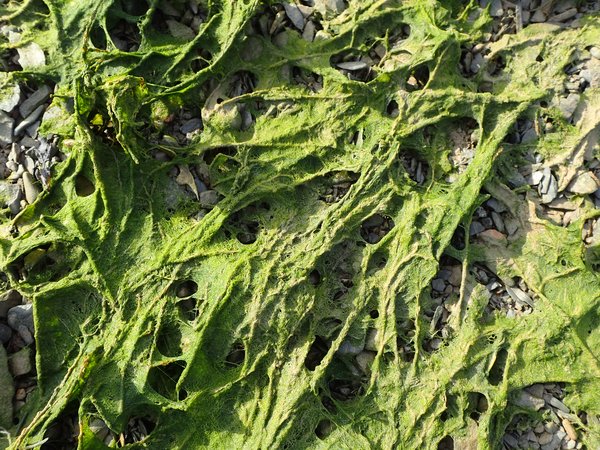
Crustose Coralline Algae (Lithothamnion spp.) are encrusting red algae that form hard, calcareous crusts over rocks, shells, and other surfaces in Maine’s sub-tidal zones. Their distinctive pinkish-red coloration and white margins give them a coral-like appearance, making them an essential part of reef and inter-tidal ecosystems. These algae play a critical ecological role by stabilizing substrates, promoting coral and mussel settlement, and contributing to the formation of biogenic reefs.
Collected by hand from tidal streams, pools, and rocky sub-tidal habitats, this live specimen is ideal for studying algal biology, calcium carbonate deposition, and marine ecosystem interactions. It also makes a beautiful and functional addition to marine aquariums, where it enhances biodiversity and natural rock structure.
Common name: Crustose algae, coralline crust, red crust
Scientific name: Lithothamnion spp.
Locations: Subtidal areas (except on full moon tides), tidepools, and tidal streams — on rocks, shells, and mussels
Seasonality: Available year-round
Colors: Pinkish-red with white margins
Size: Range from 1” – 3” on shell
Collected: By hand
Quantity: Sold by the pint volume
Uses: Ideal for aquariums, reef system displays, classroom study, and marine ecology research.
Note: This is a live marine specimen. Natural variations in size, color, and appearance from photos should be expected. If you would like any specimen preserved, please send a request to: info@gulfofme.com.
Live Crustose Coralline Algae (Lithothamnion spp.)
This is a wet, live, science specimen
Crustose Coralline Algae (Lithothamnion spp.) are encrusting red algae that form hard, calcareous crusts over rocks, shells, and other surfaces in Maine’s sub-tidal zones. Their distinctive pinkish-red coloration and white margins give them a coral-like appearance, making them an essential part of reef and inter-tidal ecosystems. These algae play a critical ecological role by stabilizing substrates, promoting coral and mussel settlement, and contributing to the formation of biogenic reefs.
Collected by hand from tidal streams, pools, and rocky sub-tidal habitats, this live specimen is ideal for studying algal biology, calcium carbonate deposition, and marine ecosystem interactions. It also makes a beautiful and functional addition to marine aquariums, where it enhances biodiversity and natural rock structure.
Common name: Crustose algae, coralline crust, red crust
Scientific name: Lithothamnion spp.
Locations: Subtidal areas (except on full moon tides), tidepools, and tidal streams — on rocks, shells, and mussels
Seasonality: Available year-round
Colors: Pinkish-red with white margins
Size: Range from 1” – 3” on shell
Collected: By hand
Quantity: Sold by the pint volume
Uses: Ideal for aquariums, reef system displays, classroom study, and marine ecology research.
Note: This is a live marine specimen. Natural variations in size, color, and appearance from photos should be expected. If you would like any specimen preserved, please send a request to: info@gulfofme.com.

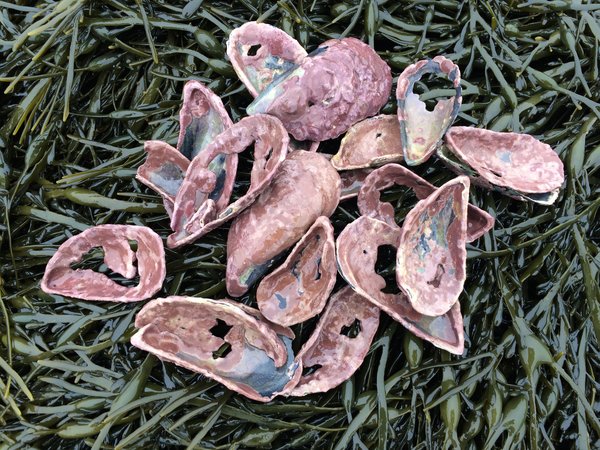 Image 1 of 3
 Image 2 of 3
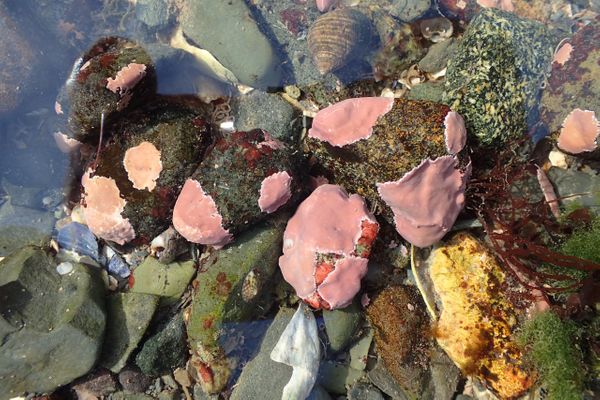 Image 3 of 3