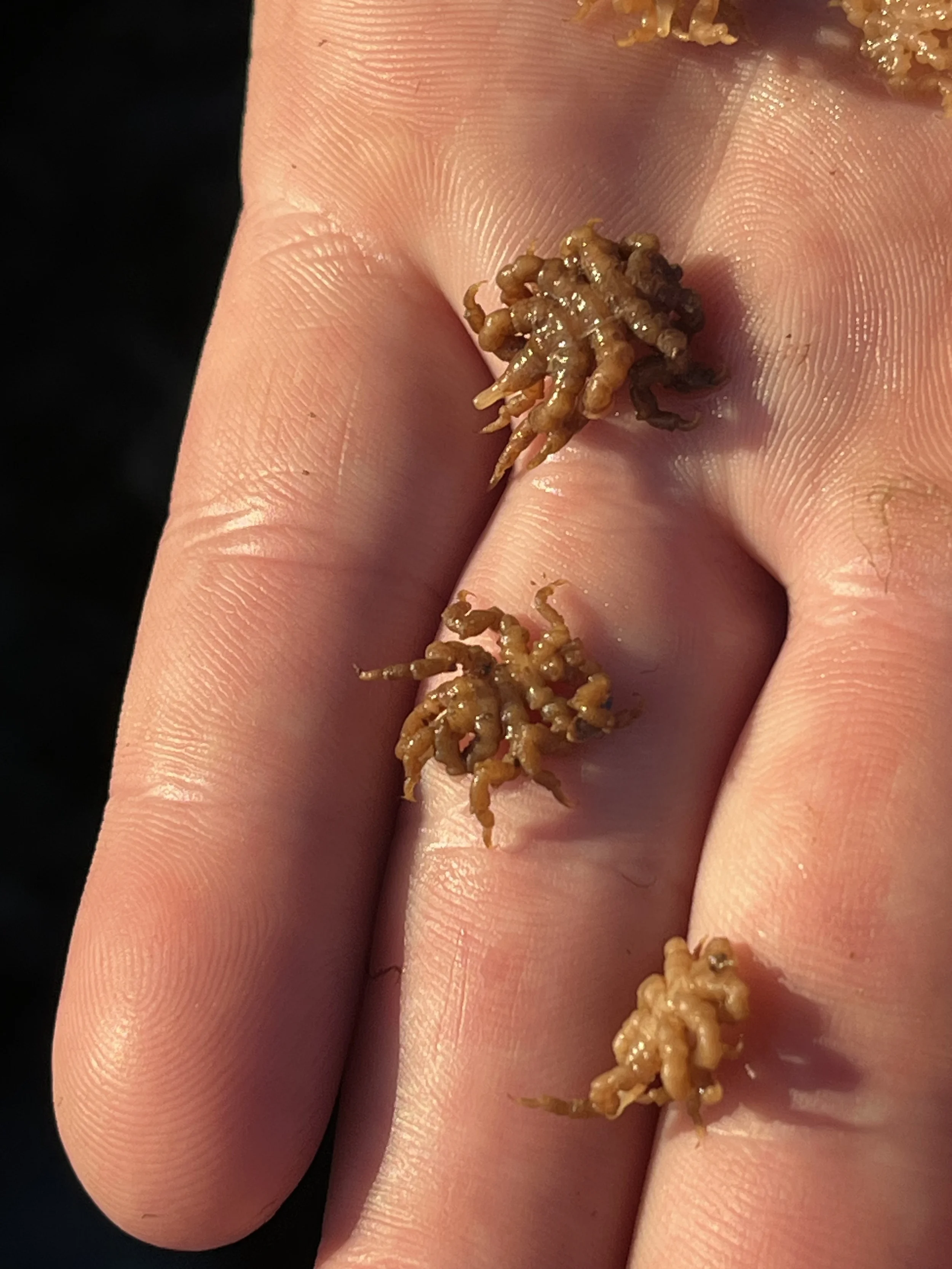
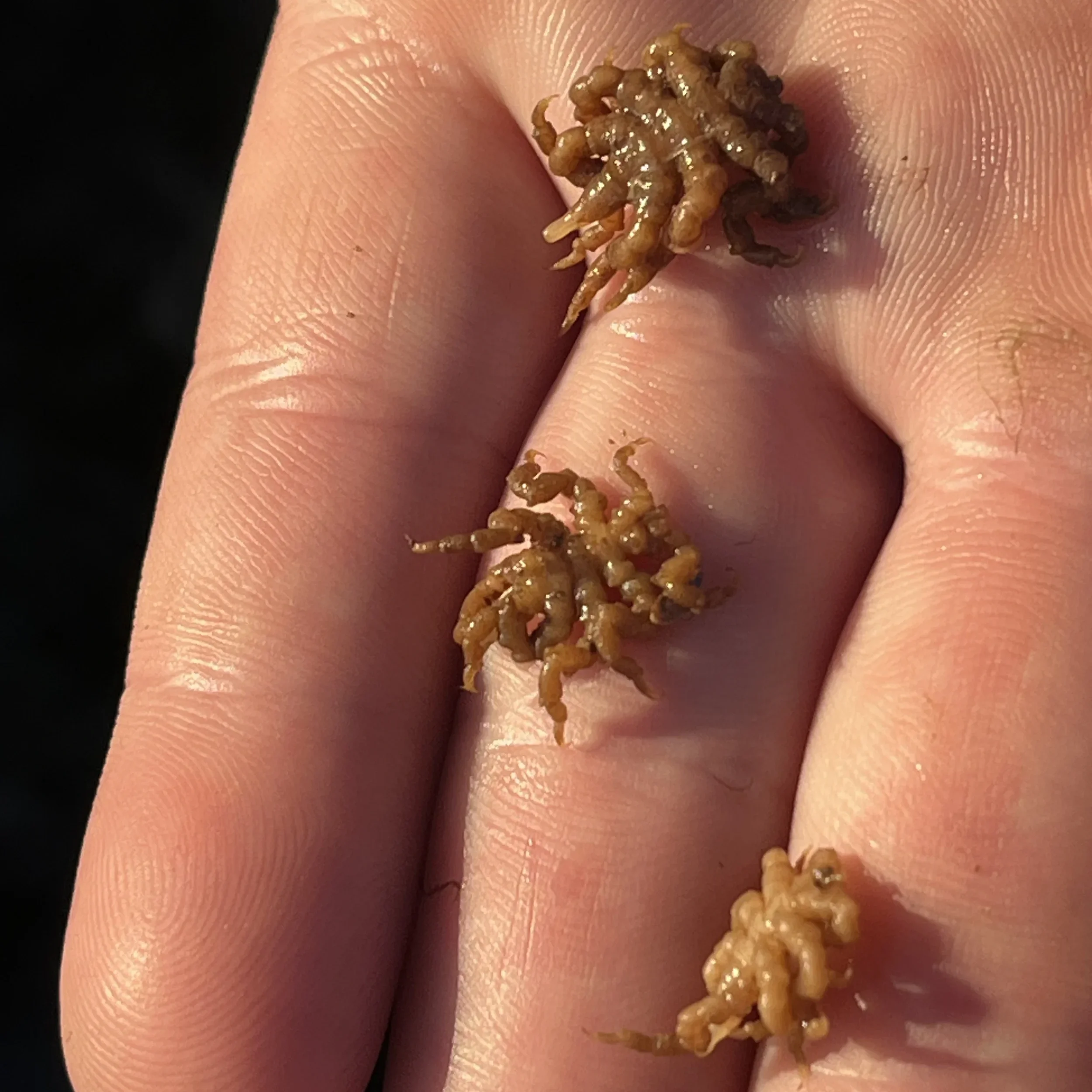
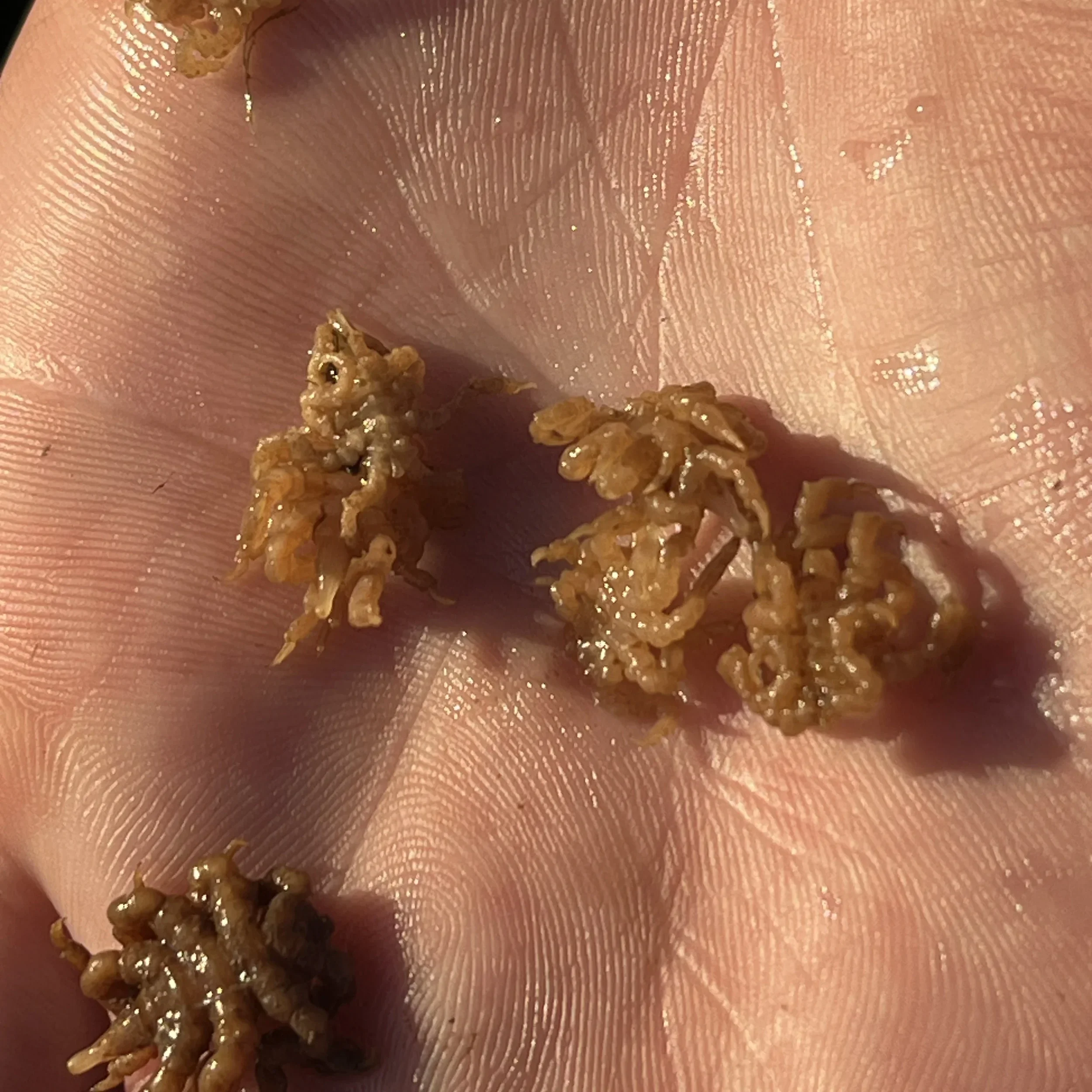
Live Rock Crab (Cancer irroratus)
This is a wet, live, science specimen
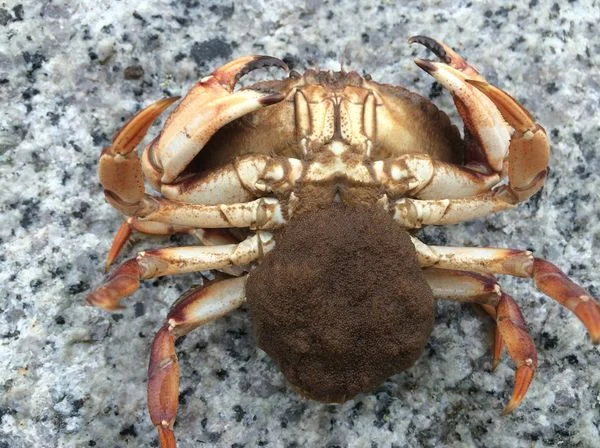
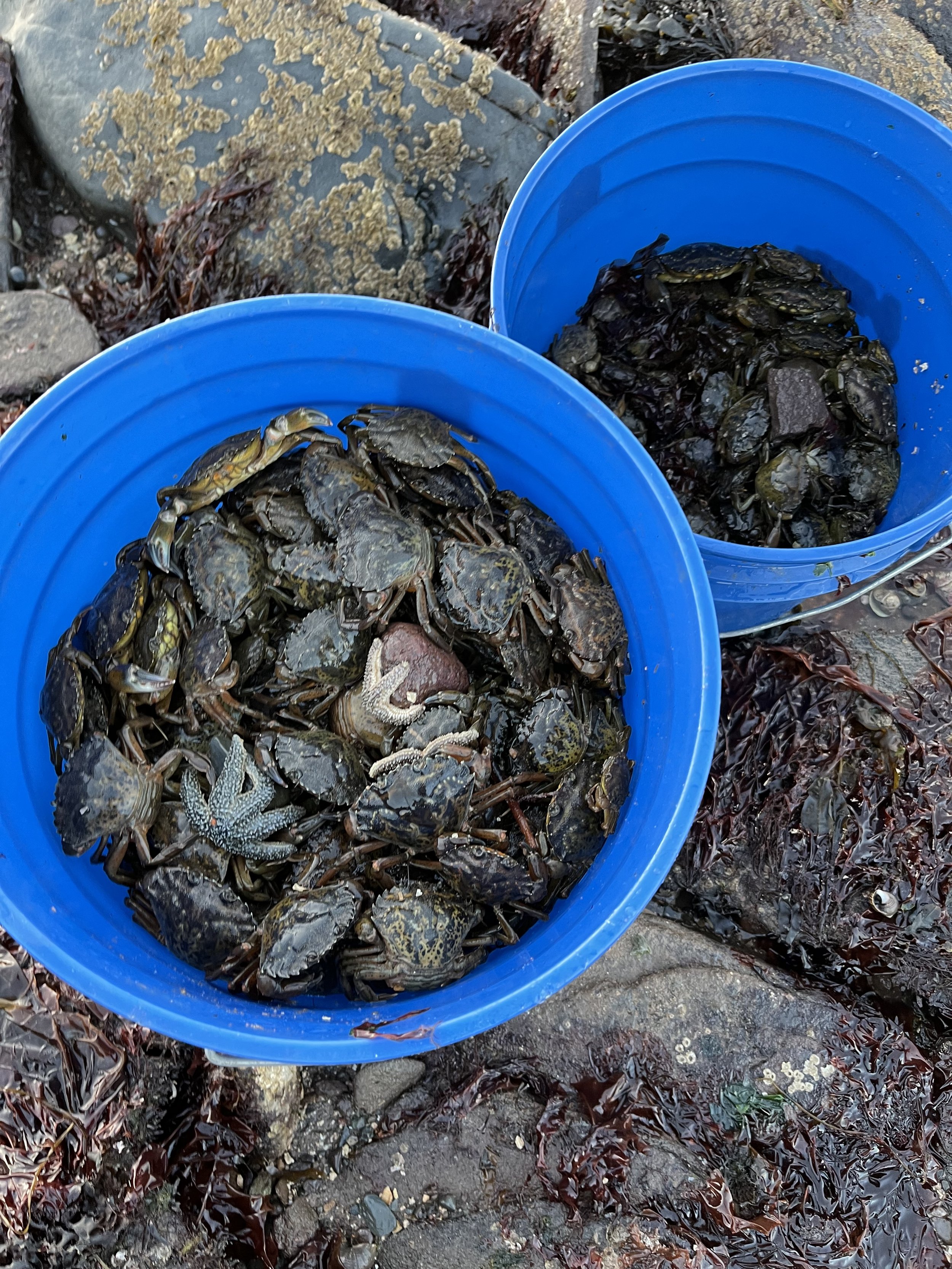
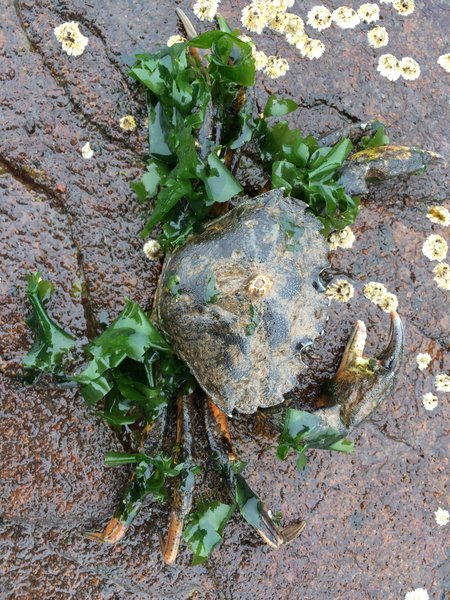
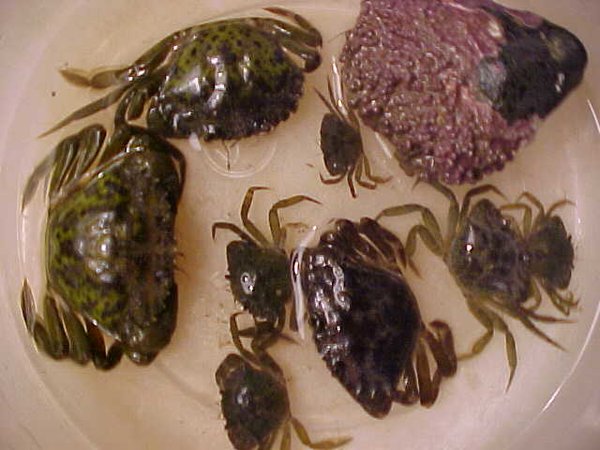
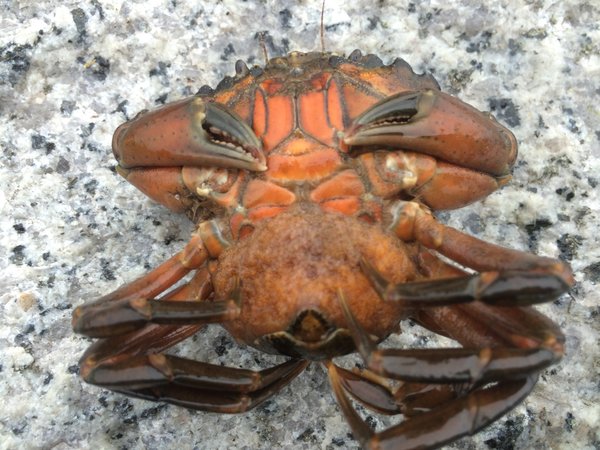
The Rock Crab (Cancer irroratus), also known as the Shore Crab, Sand Crab, or Peekytoe Crab, is a hardy and abundant crustacean commonly found along the Gulf of Maine. These crabs inhabit rocky and sandy bottoms from the low tide line to deeper waters, where they scavenge and hunt for small invertebrates. Their beautiful coloration — a mix of white, pink, and red mottling — makes them both visually striking and valuable for marine study.
Collected by hand and from local lobster traps, Rock Crabs are perfect for aquariums, marine biology research, and classroom observation. They’re a favorite for demonstrating crustacean behavior, molting cycles, and claw regeneration.
Common name: Rock crab, shore crab, sand crab, peekytoe crab
Scientific name: Cancer irroratus
Locations: Low water mark and deeper water
Seasonality: Available all year
Colors: White, red, and pink
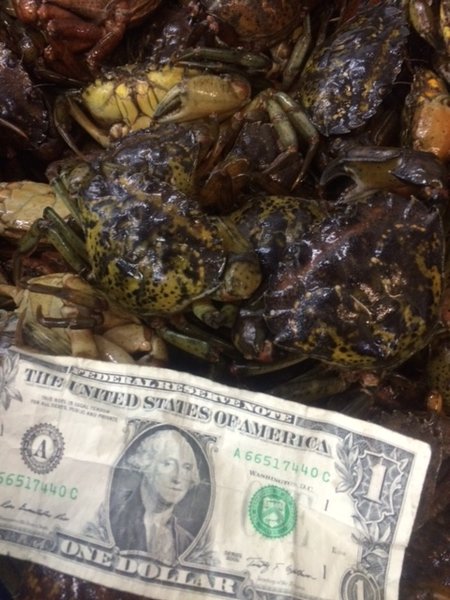
Size: 1” – 6”
Collected: By hand, lobster traps
Quantity: Sold by the each
Uses: Excellent for aquariums, marine ecology labs, behavioral observation, and invertebrate anatomy education.
Note: This is a live marine specimen. Natural variations in size, color, and appearance from photos should be expected. If you would like any specimen preserved, please send a request to: info@gulfofme.com.
Live Rock Crab (Cancer irroratus)
This is a wet, live, science specimen
The Rock Crab (Cancer irroratus), also known as the Shore Crab, Sand Crab, or Peekytoe Crab, is a hardy and abundant crustacean commonly found along the Gulf of Maine. These crabs inhabit rocky and sandy bottoms from the low tide line to deeper waters, where they scavenge and hunt for small invertebrates. Their beautiful coloration — a mix of white, pink, and red mottling — makes them both visually striking and valuable for marine study.
Collected by hand and from local lobster traps, Rock Crabs are perfect for aquariums, marine biology research, and classroom observation. They’re a favorite for demonstrating crustacean behavior, molting cycles, and claw regeneration.
Common name: Rock crab, shore crab, sand crab, peekytoe crab
Scientific name: Cancer irroratus
Locations: Low water mark and deeper water
Seasonality: Available all year
Colors: White, red, and pink
Size: 1” – 6”
Collected: By hand, lobster traps
Quantity: Sold by the each
Uses: Excellent for aquariums, marine ecology labs, behavioral observation, and invertebrate anatomy education.
Note: This is a live marine specimen. Natural variations in size, color, and appearance from photos should be expected. If you would like any specimen preserved, please send a request to: info@gulfofme.com.

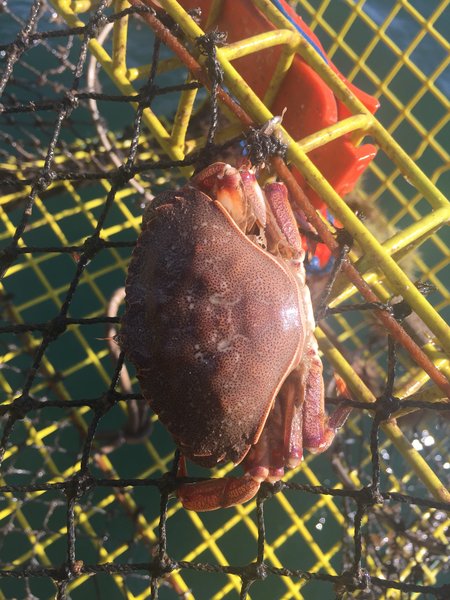 Image 1 of 4
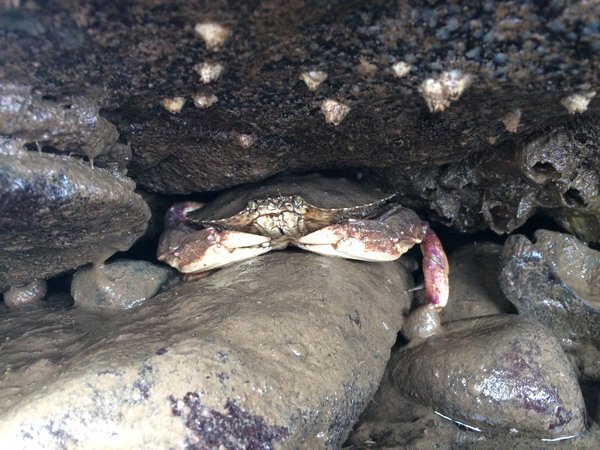 Image 2 of 4
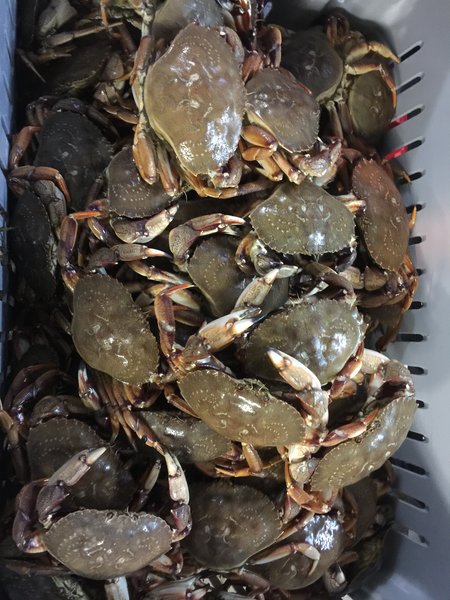 Image 3 of 4
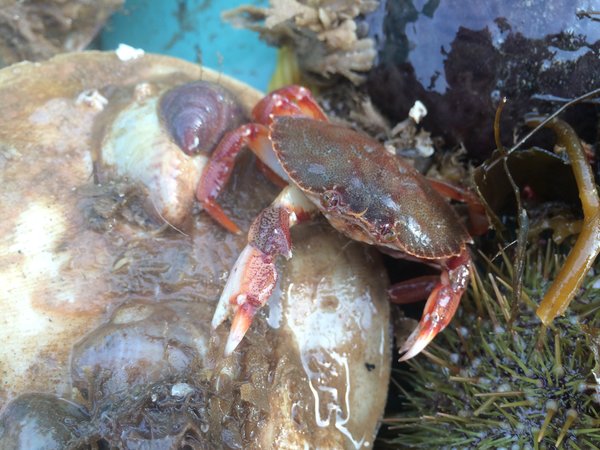 Image 4 of 4