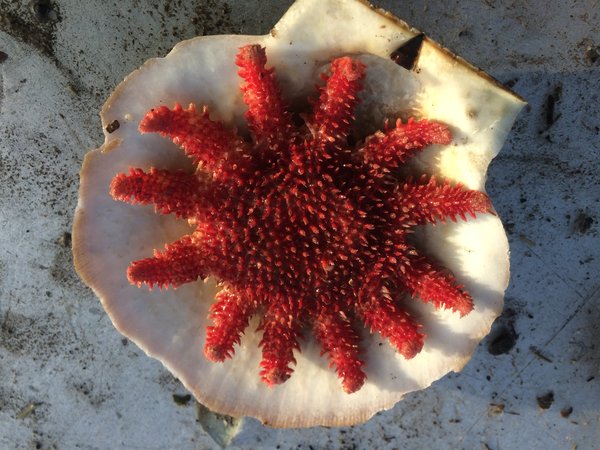
Live Sand Dollar (Echinarachnius parma)
Please Note This Is A, Live Science Specimen
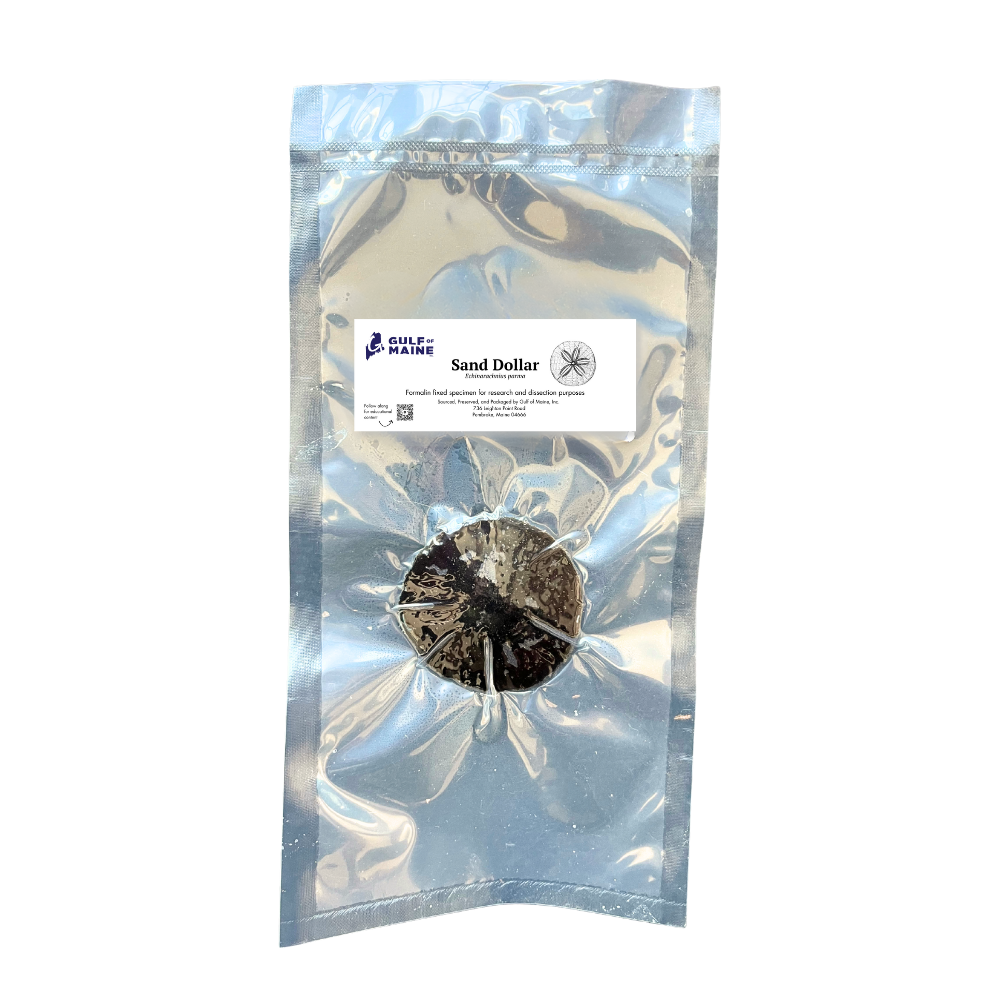
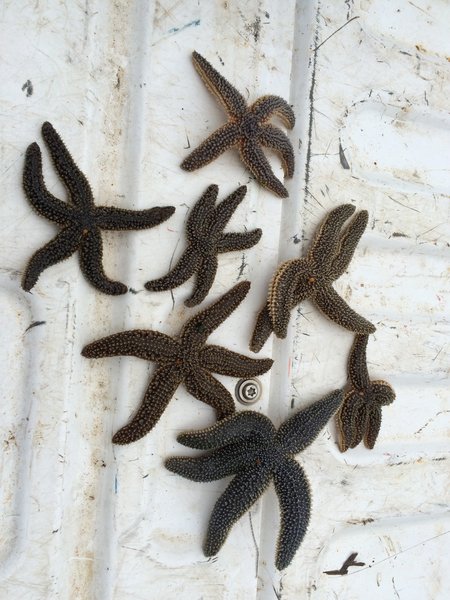
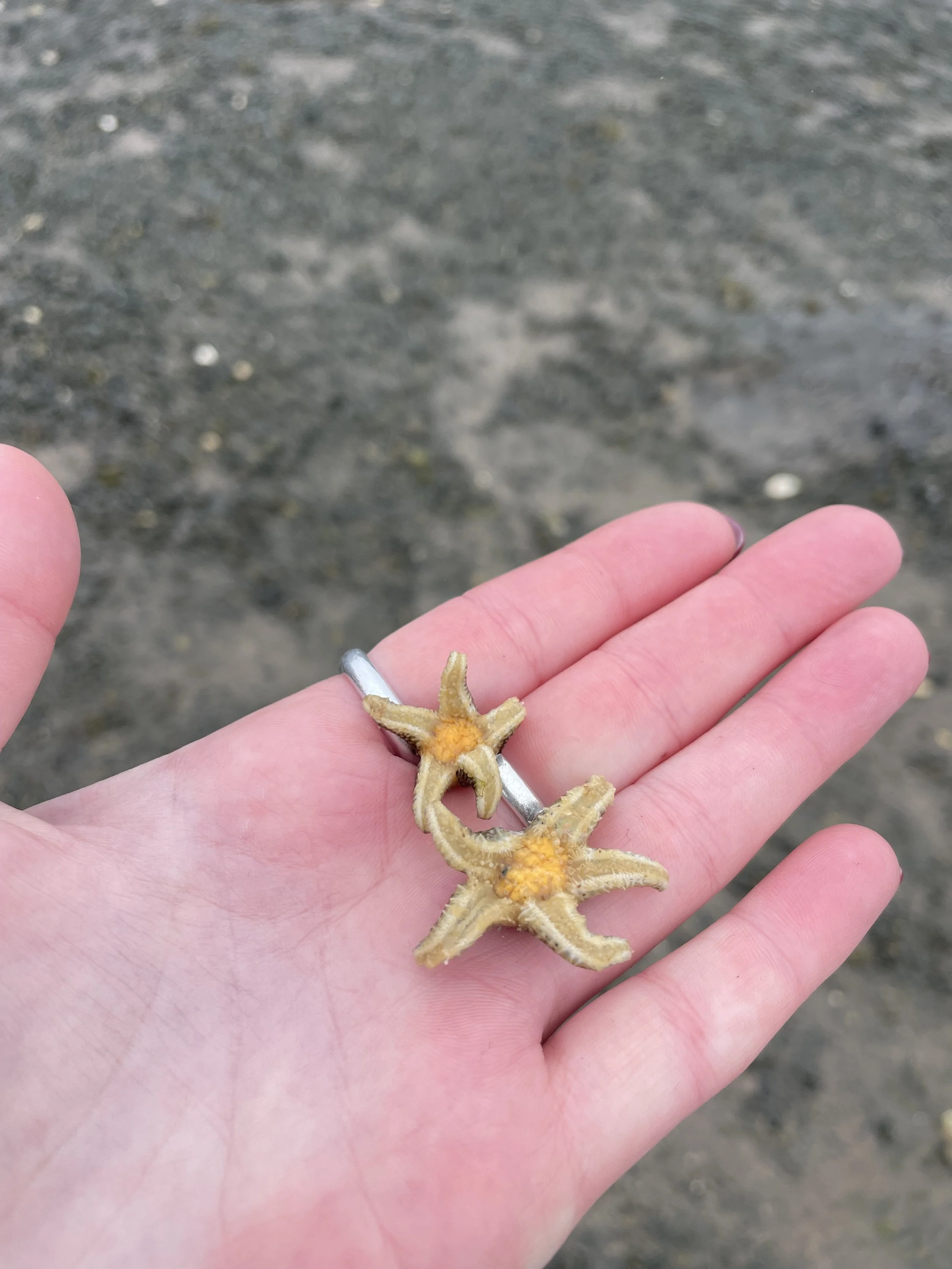
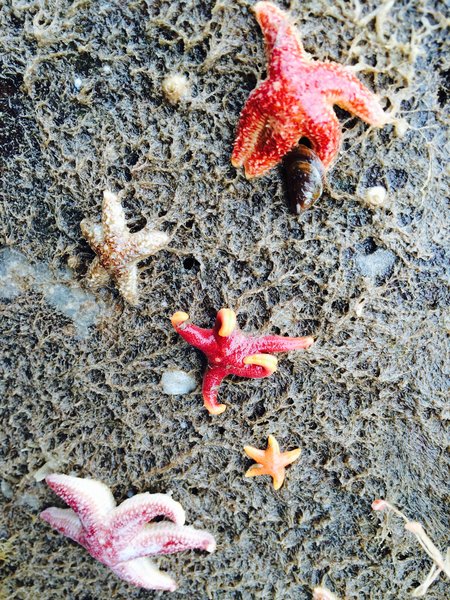
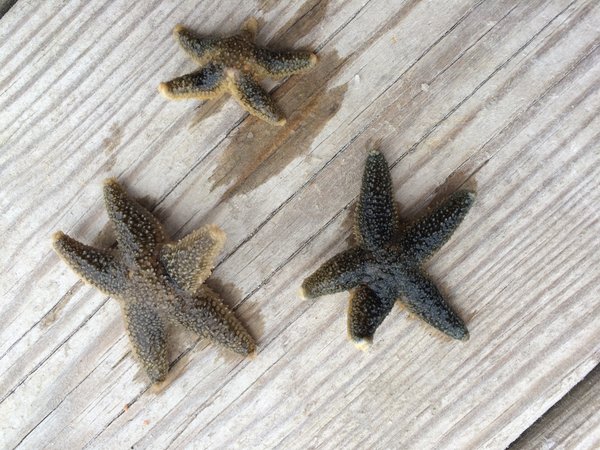
The Sand Dollar (Echinarachnius parma) is a flat, burrowing echinoderm commonly found in shallow sandy areas along the Gulf of Maine’s coast. Its distinctive disk shape and intricate surface patterns make it a fascinating specimen for marine education and live display. When alive, sand dollars are covered with tiny purple spines and tube feet that they use for movement and feeding — a key adaptation to life in shifting sand environments.
Perfect for marine biology classes, aquariums, or touch tank exhibits, these live specimens help students and visitors observe real-time echinoderm behavior, symmetry, and anatomy.
Common name: Sand dollar
Scientific name: Echinarachnius parma
Locations: Shallow waters of the coast in fine sand
Seasonality: Available all year
Colors: Deep grey, brown
Size: 2” – 3”
Collected: By hand
Quantity: Sold by the each
Uses: Excellent for aquariums, classroom study, echinoderm anatomy lessons, or coastal ecology exhibits.
Note: This is a live marine specimen. Natural variations in size, color, and appearance from photos should be expected. If you would like any specimen preserved, please send a request to: info@gulfofme.com.
Live Sand Dollar (Echinarachnius parma)
Please Note This Is A, Live Science Specimen
The Sand Dollar (Echinarachnius parma) is a flat, burrowing echinoderm commonly found in shallow sandy areas along the Gulf of Maine’s coast. Its distinctive disk shape and intricate surface patterns make it a fascinating specimen for marine education and live display. When alive, sand dollars are covered with tiny purple spines and tube feet that they use for movement and feeding — a key adaptation to life in shifting sand environments.
Perfect for marine biology classes, aquariums, or touch tank exhibits, these live specimens help students and visitors observe real-time echinoderm behavior, symmetry, and anatomy.
Common name: Sand dollar
Scientific name: Echinarachnius parma
Locations: Shallow waters of the coast in fine sand
Seasonality: Available all year
Colors: Deep grey, brown
Size: 2” – 3”
Collected: By hand
Quantity: Sold by the each
Uses: Excellent for aquariums, classroom study, echinoderm anatomy lessons, or coastal ecology exhibits.
Note: This is a live marine specimen. Natural variations in size, color, and appearance from photos should be expected. If you would like any specimen preserved, please send a request to: info@gulfofme.com.

 Image 1 of 1