Snail Fur (Hydractinia echinata)

from $80.00
Quantity:

Snail Fur (Hydractinia echinata)
Please Note This Is A Live Science Specimen

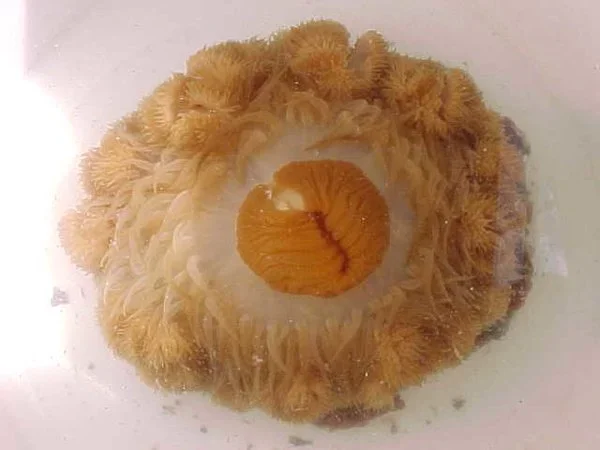
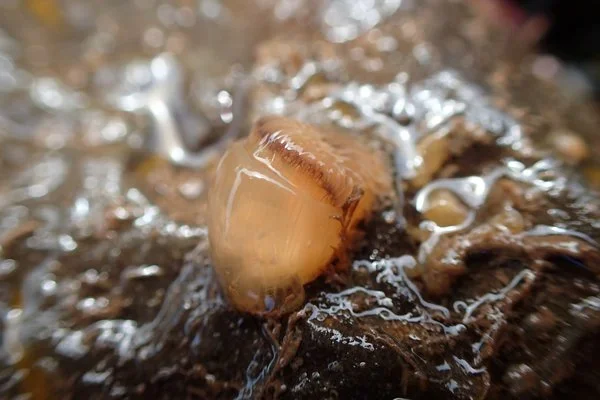
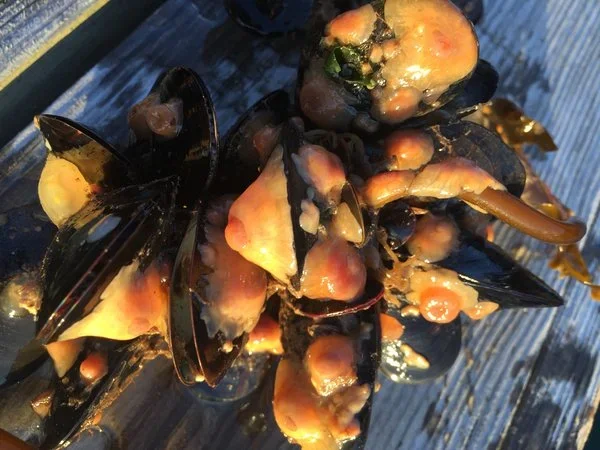
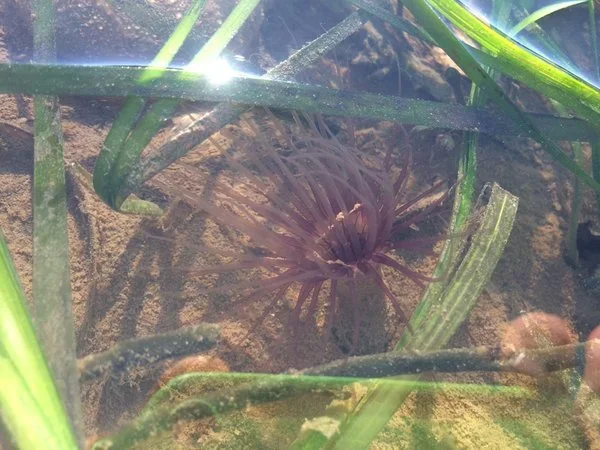
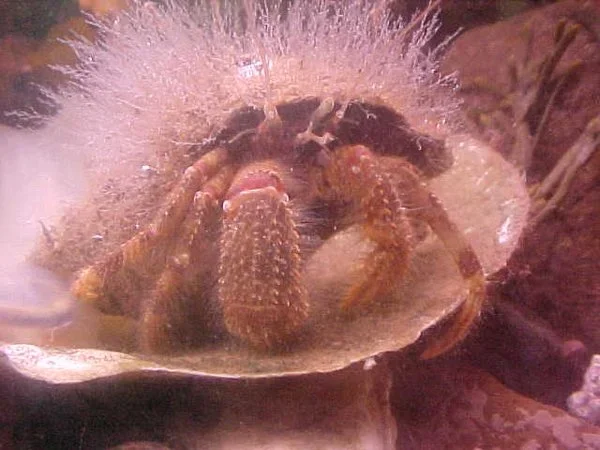
Snail Fur (Hydractinia echinata) is a colonial hydroid that grows on dead snail shells inhabited by live hermit crabs—creating a fascinating example of symbiosis in the marine world. Its soft, pinkish fuzz-like colonies cover the shell’s surface, forming a living mat of polyps that move with the crab. This unique organism is perfect for classroom observation, touch tanks, and marine biology studies exploring invertebrate relationships and colony growth.

Common name: Snail fur
Scientific name: Hydractinia echinata
Locations: Found on dead snail shells inhabited by live hermit crabs
Seasonality: Available spring – summer
Colors: Pinkish
Size: Hydroids are ¼" – ½"
Collected: By hand on hermit crabs
Quantity: Sold by each colony on live hermit crab

Uses: Excellent for aquariums, classroom symbiosis studies, and marine ecology education.

Note: This is a live marine specimen. Natural variations in size, color, and appearance from photos should be expected. If you would like any specimen preserved, please send a request to: info@gulfofme.com.

Snail Fur (Hydractinia echinata)
Please Note This Is A Live Science Specimen

Snail Fur (Hydractinia echinata) is a colonial hydroid that grows on dead snail shells inhabited by live hermit crabs—creating a fascinating example of symbiosis in the marine world. Its soft, pinkish fuzz-like colonies cover the shell’s surface, forming a living mat of polyps that move with the crab. This unique organism is perfect for classroom observation, touch tanks, and marine biology studies exploring invertebrate relationships and colony growth.

Common name: Snail fur
Scientific name: Hydractinia echinata
Locations: Found on dead snail shells inhabited by live hermit crabs
Seasonality: Available spring – summer
Colors: Pinkish
Size: Hydroids are ¼" – ½"
Collected: By hand on hermit crabs
Quantity: Sold by each colony on live hermit crab

Uses: Excellent for aquariums, classroom symbiosis studies, and marine ecology education.

Note: This is a live marine specimen. Natural variations in size, color, and appearance from photos should be expected. If you would like any specimen preserved, please send a request to: info@gulfofme.com.

Tidepool Tim says,  “Of all the hermit crabs (Pagarus spp.) we catch over the course of a year about 1 in 50 will have a dense pinkish colony of these hydroids covering their shells. We have not noticed any particular collecting area that has a higher incidence of them. Once in our holding tanks - it does not seem to spread to other hermits either. These hydroids are very small and not very noticeable other than the pink sheen they put on the shell. Fun to add a moving sideshow to your aquarium. We sometimes do see hermits with a good coating of obelia hydroids as well.”