Truncate Clam (Mya truncata)
Please Note: This is a live marine specimen.
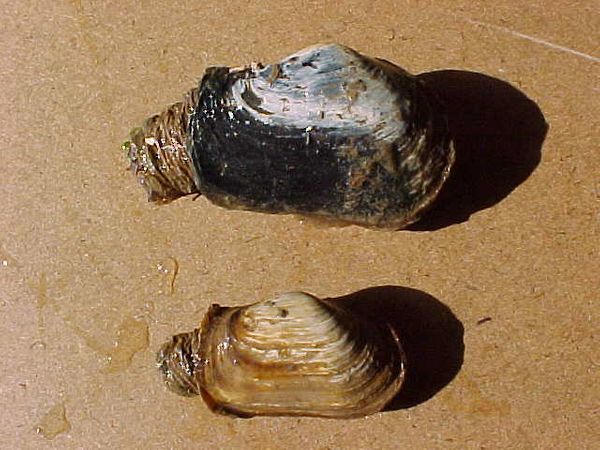
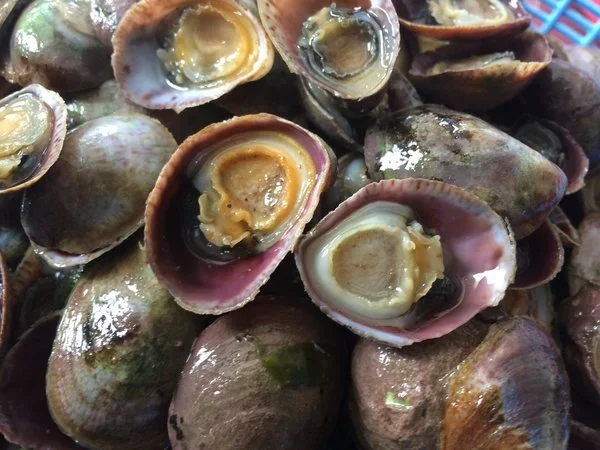
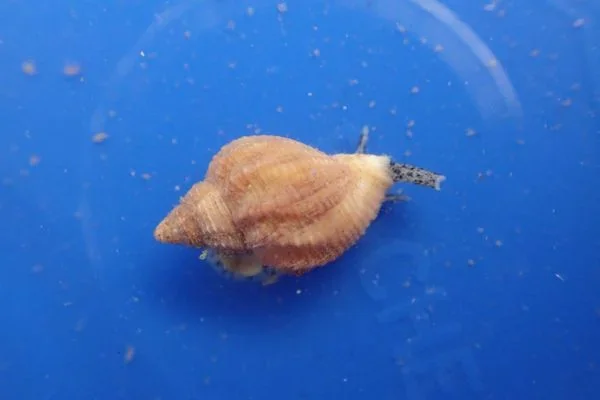
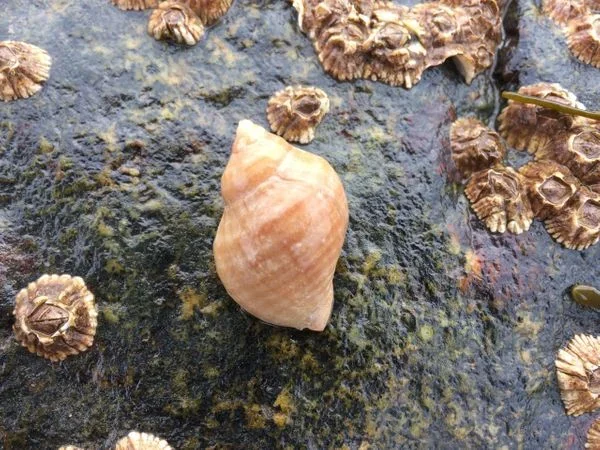
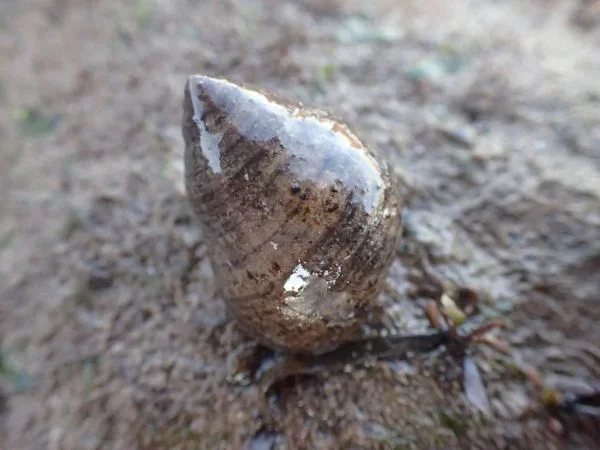
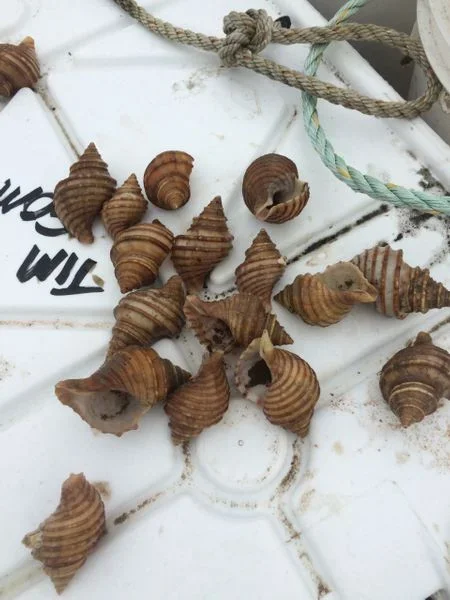
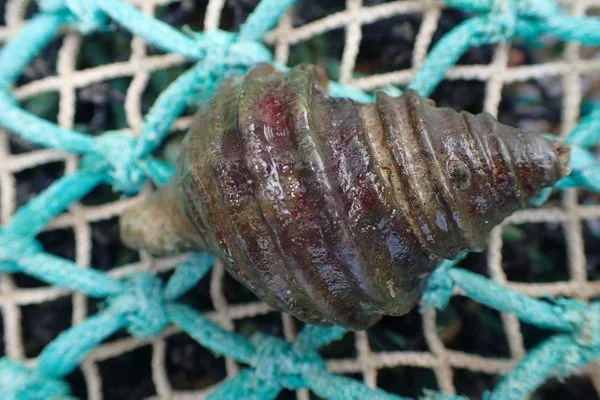
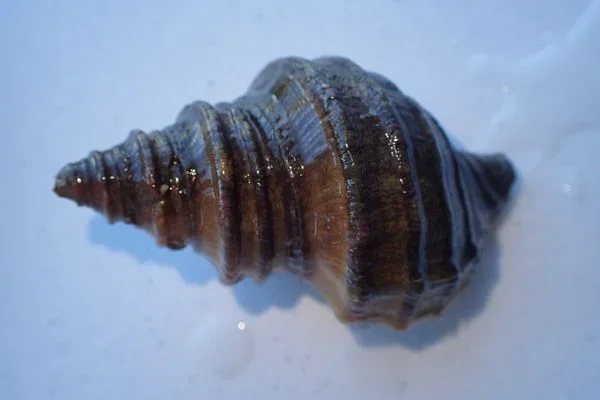
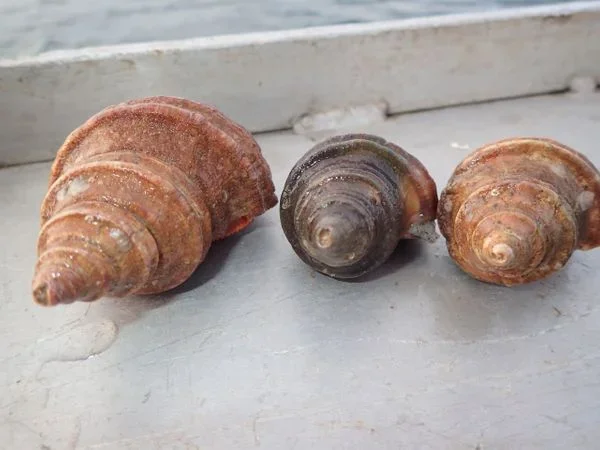
The Truncate Clam (Mya truncata) is a cold-water bivalve found in the mid- to lower intertidal zones of the Gulf of Maine, particularly in areas with strong tidal currents. Recognized by its shortened shell and visible siphons that often protrude above the substrate, this species is a fascinating example of adaptation to turbulent marine environments.
Collected by hand from sandy, high-current areas, these live clams are ideal for marine biology study, touch tanks, and coastal ecology lessons focusing on sediment-dwelling invertebrates and filter feeders.
Common name: Truncate clam
Scientific name: Mya truncata
Locations: Mid–lower intertidal in high current areas
Seasonality: Available all year
Colors: Sandy white and brown
Size: 1” – 3”
Collected: By hand (siphons easily visible)
Quantity: Sold by the each
Uses: Perfect for classroom study, aquariums, and marine ecology demonstrations.
Note: This is a live marine specimen. Natural variations in size, color, and appearance from photos should be expected. If you would like any specimen preserved, please send a request to: info@gulfofme.com.
Truncate Clam (Mya truncata)
Please Note: This is a live marine specimen.
The Truncate Clam (Mya truncata) is a cold-water bivalve found in the mid- to lower intertidal zones of the Gulf of Maine, particularly in areas with strong tidal currents. Recognized by its shortened shell and visible siphons that often protrude above the substrate, this species is a fascinating example of adaptation to turbulent marine environments.
Collected by hand from sandy, high-current areas, these live clams are ideal for marine biology study, touch tanks, and coastal ecology lessons focusing on sediment-dwelling invertebrates and filter feeders.
Common name: Truncate clam
Scientific name: Mya truncata
Locations: Mid–lower intertidal in high current areas
Seasonality: Available all year
Colors: Sandy white and brown
Size: 1” – 3”
Collected: By hand (siphons easily visible)
Quantity: Sold by the each
Uses: Perfect for classroom study, aquariums, and marine ecology demonstrations.
Note: This is a live marine specimen. Natural variations in size, color, and appearance from photos should be expected. If you would like any specimen preserved, please send a request to: info@gulfofme.com.

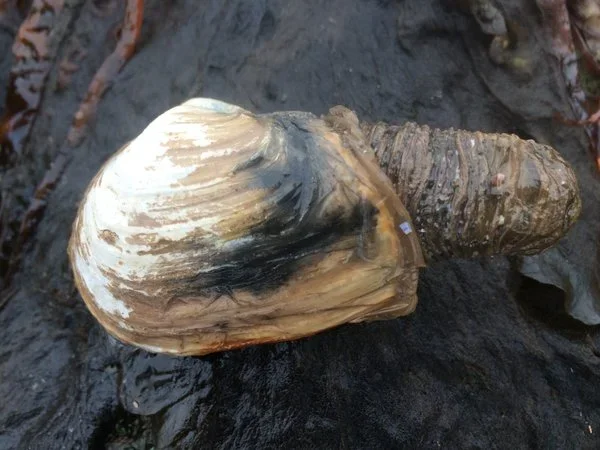 Image 1 of 4
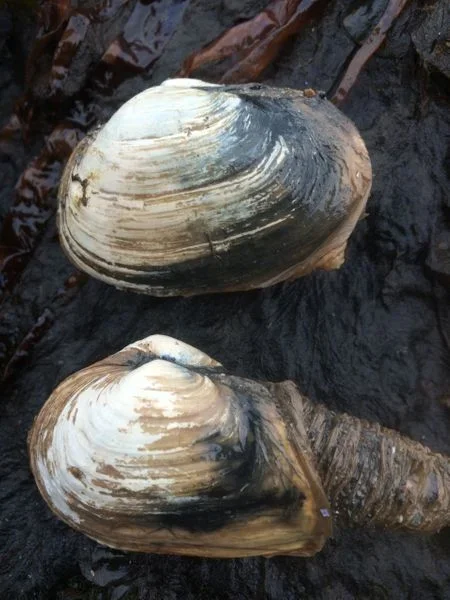 Image 2 of 4
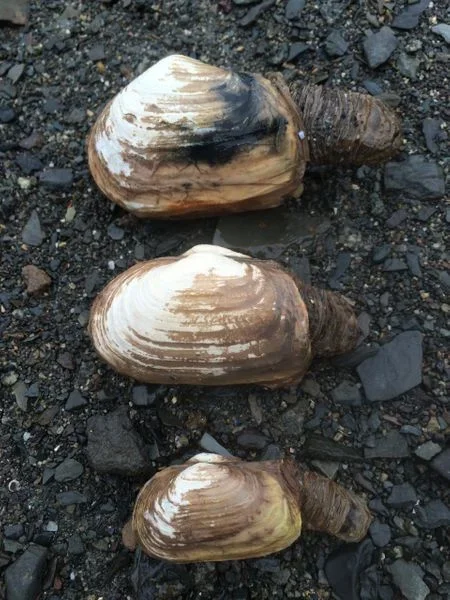 Image 3 of 4
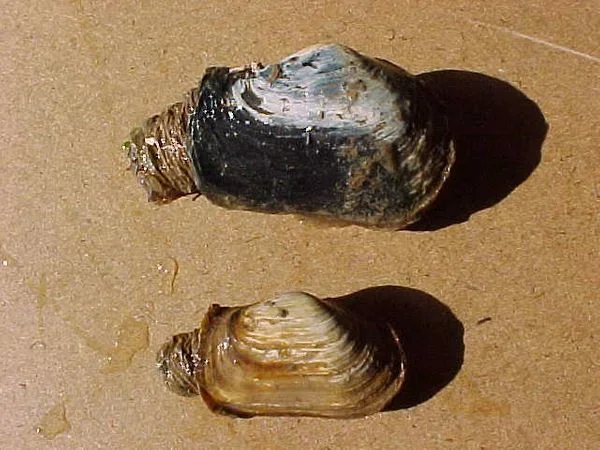 Image 4 of 4