Northern Red Chiton (Tonicella rubra)

from $120.00
Quantity:

Live Atlantic Red Chiton (Tonicella rubra)
Please note this is a live marine specimen.

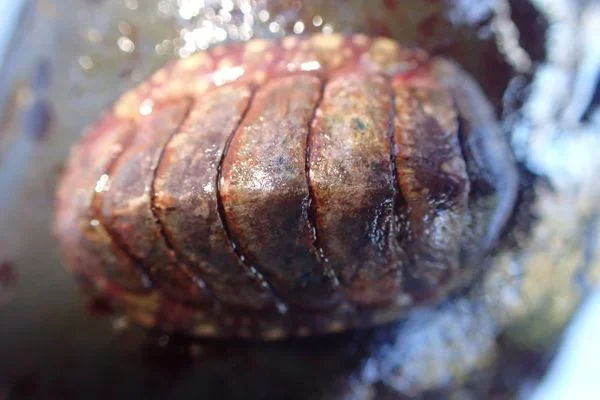
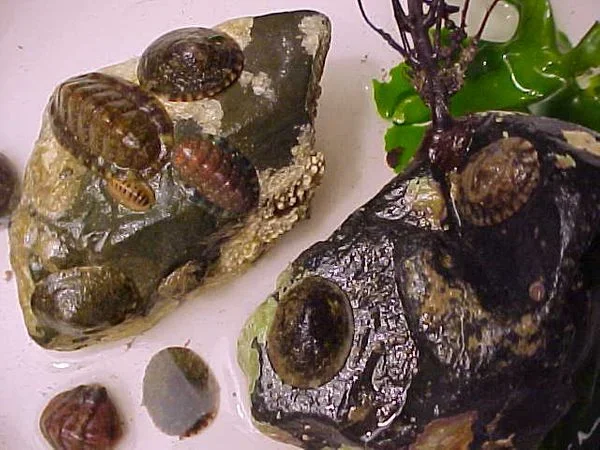
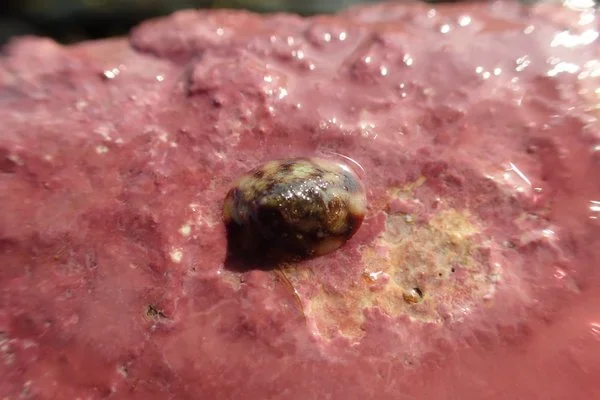
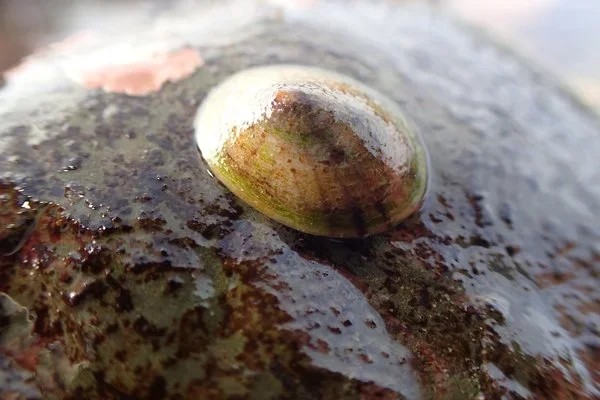
The Atlantic Red Chiton (Tonicella rubra) is a small, beautifully armored mollusk found in the “pink zone” of encrusting coralline algae along Maine’s rocky intertidal shorelines. Recognized by its vivid reddish plates and blue-green margins, this species clings tightly to rock surfaces in the low-tide zone, where it grazes on microalgae. Its vibrant coloration and distinct segmented shell make it an ideal specimen for marine biology study, classroom display, or tidepool education. Each specimen is sustainably hand-collected from the Gulf of Maine’s coastal habitats.

Key Facts:
Common name: Atlantic red chiton
Scientific name: Tonicella rubra
Locations: “Pink” zone of encrusting coralline algae at the low water mark on sides and bottoms of rocks
Seasonality: Available year round
Colors: Pink, reddish, with blue-green margins
Size: ¼” – 1.5”
Collected: By hand
Quantity: Sold in 3’s
Note: This is a live marine specimen. Natural variations in size, color, and appearance from photos should be expected. If you would like any specimen preserved, please send a request to: info@gulfofme.com.

Live Atlantic Red Chiton (Tonicella rubra)
Please note this is a live marine specimen.

The Atlantic Red Chiton (Tonicella rubra) is a small, beautifully armored mollusk found in the “pink zone” of encrusting coralline algae along Maine’s rocky intertidal shorelines. Recognized by its vivid reddish plates and blue-green margins, this species clings tightly to rock surfaces in the low-tide zone, where it grazes on microalgae. Its vibrant coloration and distinct segmented shell make it an ideal specimen for marine biology study, classroom display, or tidepool education. Each specimen is sustainably hand-collected from the Gulf of Maine’s coastal habitats.

Key Facts:
Common name: Atlantic red chiton
Scientific name: Tonicella rubra
Locations: “Pink” zone of encrusting coralline algae at the low water mark on sides and bottoms of rocks
Seasonality: Available year round
Colors: Pink, reddish, with blue-green margins
Size: ¼” – 1.5”
Collected: By hand
Quantity: Sold in 3’s
Note: This is a live marine specimen. Natural variations in size, color, and appearance from photos should be expected. If you would like any specimen preserved, please send a request to: info@gulfofme.com.

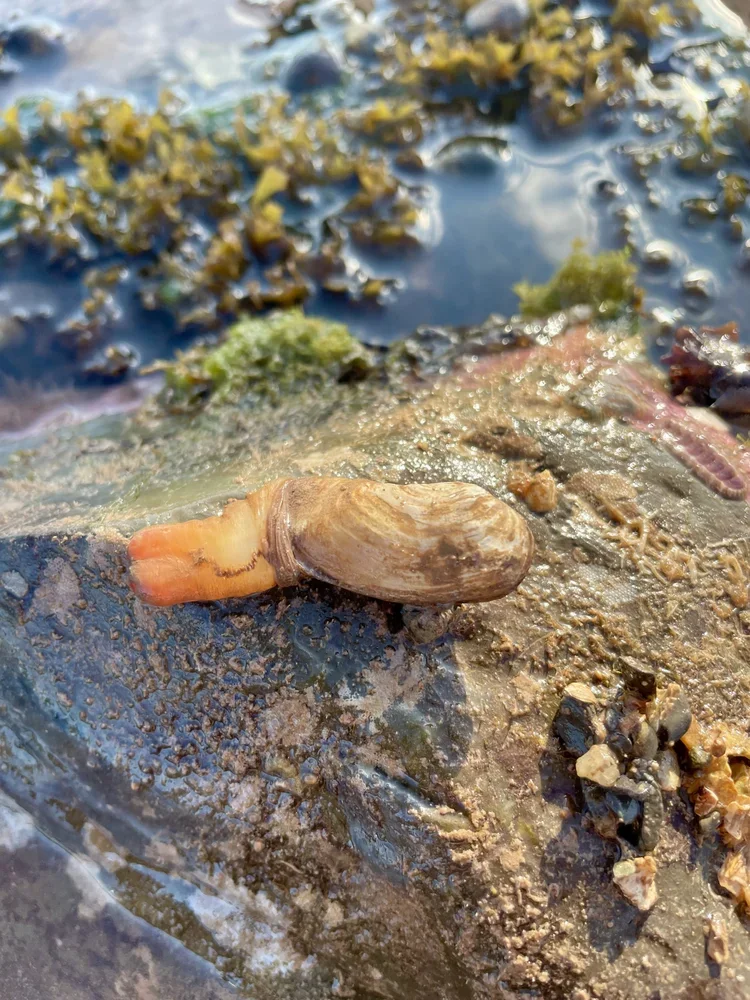
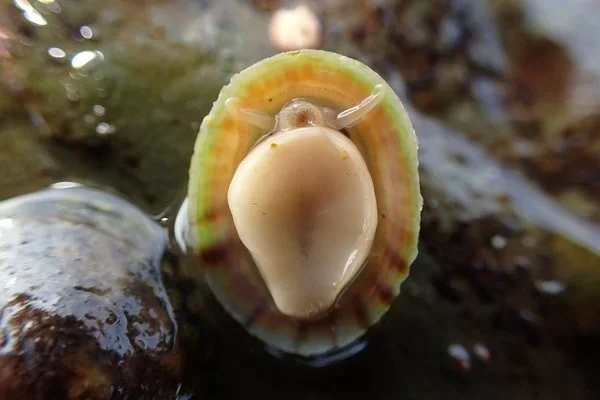
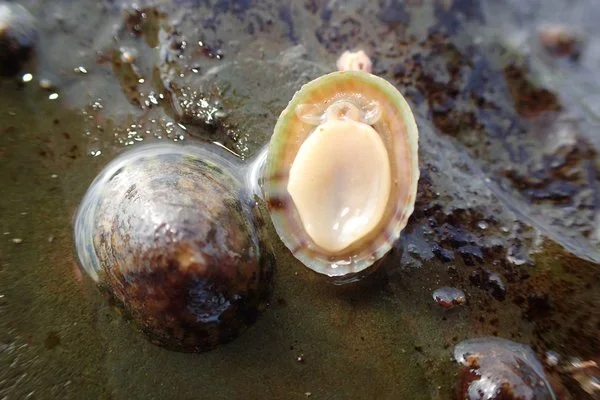
The underside of a red chiton.

The underside of a red chiton.

Tidepool Tim says,  "Chitons are an impressive animal.  They have 8 rows of plates that run down the back.  These are called "valves" along the outside there is a ring of the plate called a "girdle" - these structures protect the chiton like a shell on a turtle.  We once sold dozens of them to an MIT lab that specialized in studying armored creatures. They are kind of like the marine armadillo of the mollusk world.  Chitons lead a rather sedentary life compared to their cousins the limpets. They are omnivorous eating some algae, but also other benthic creatures like sponges, hydroids, and bryozoans.  Chitons have delightful colors and they mimic the seafloor where they live - oftentimes I overlook them as they blend in with the bright red coralline algae on the rocks. To find a chiton it is best to look on the lower sides or undersides of rocks.  The larger the rock tends to reveal a larger chiton specimen. Chitons live at the low tide line or subtidally. In the winter when we have some huge spring tides (full moon) I go out in the dark with my headlamp and freeze my fingers off trying to fill orders for these invertebrates.  On the Pacific coast, some chitons can be up to 8" long!”