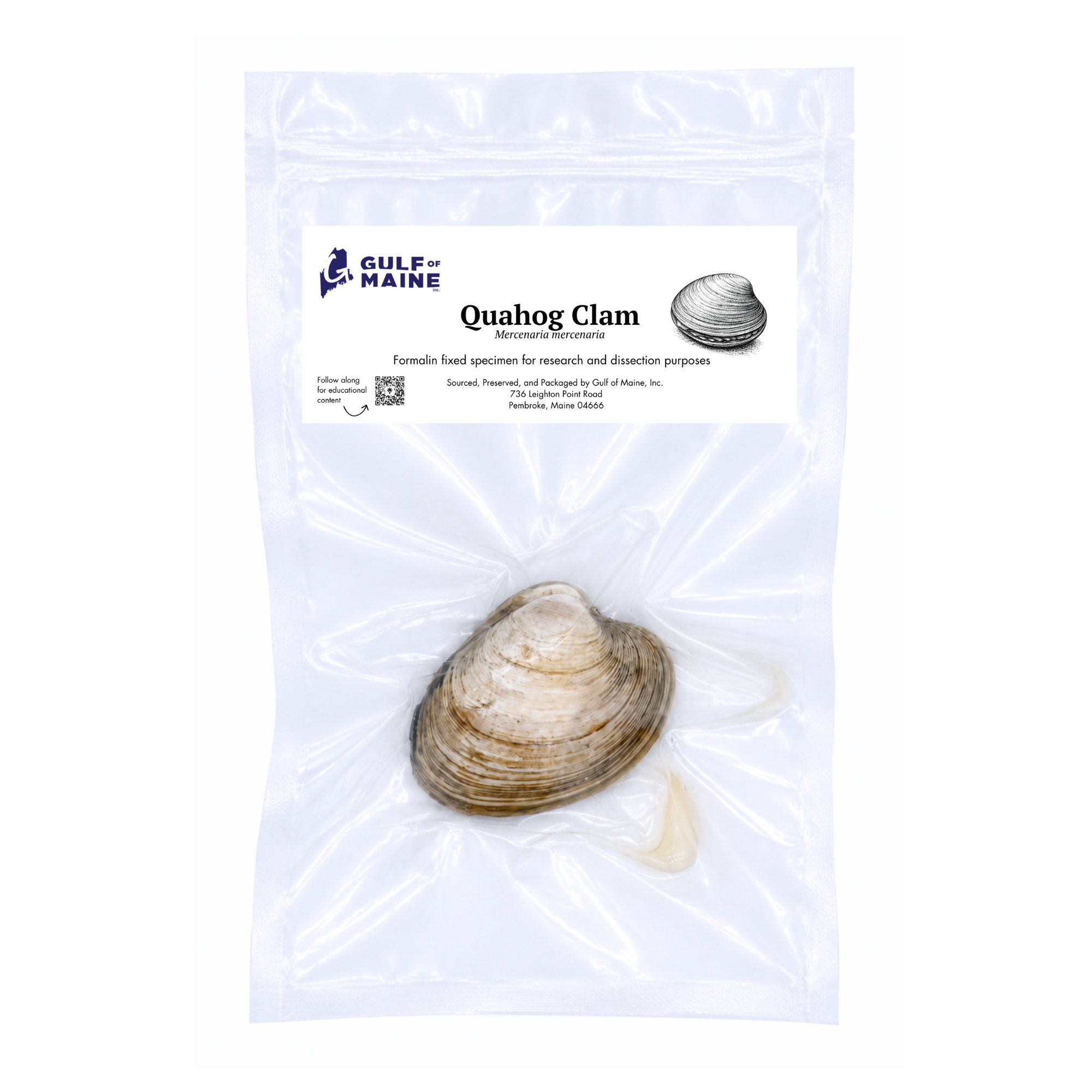
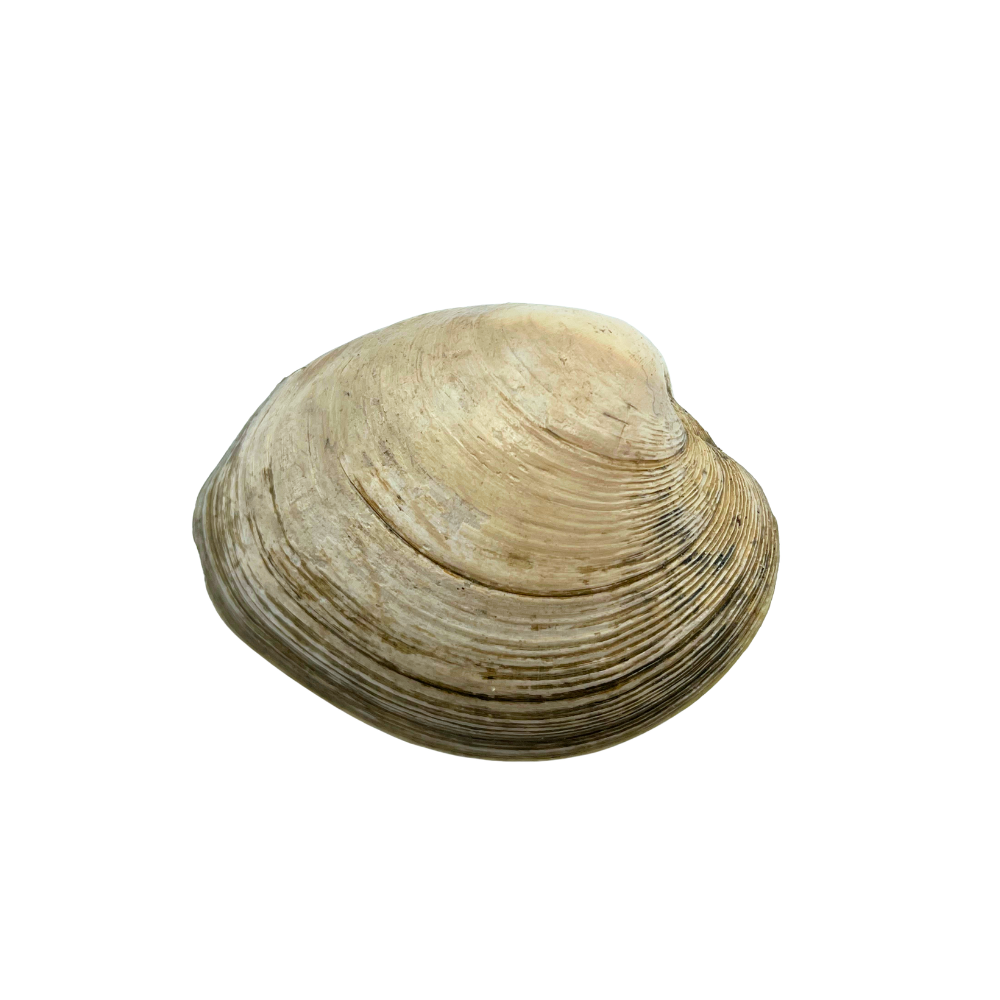
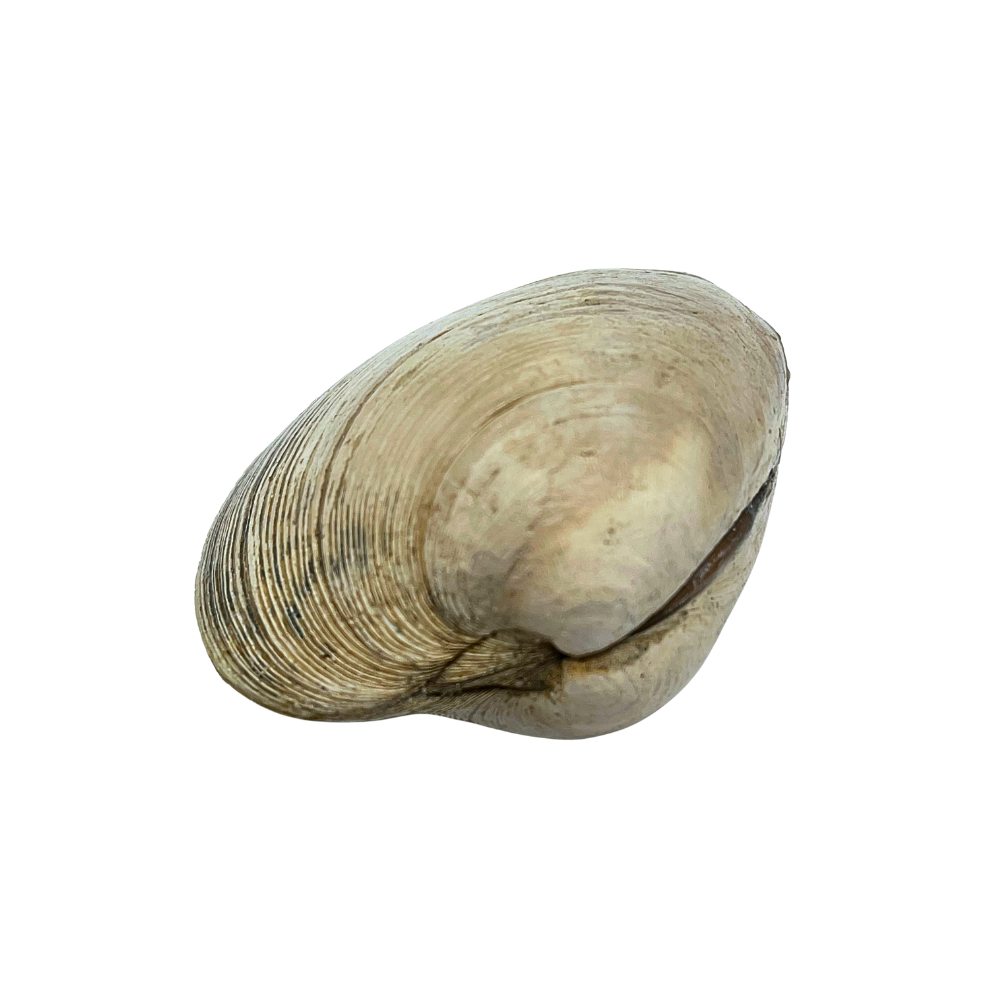
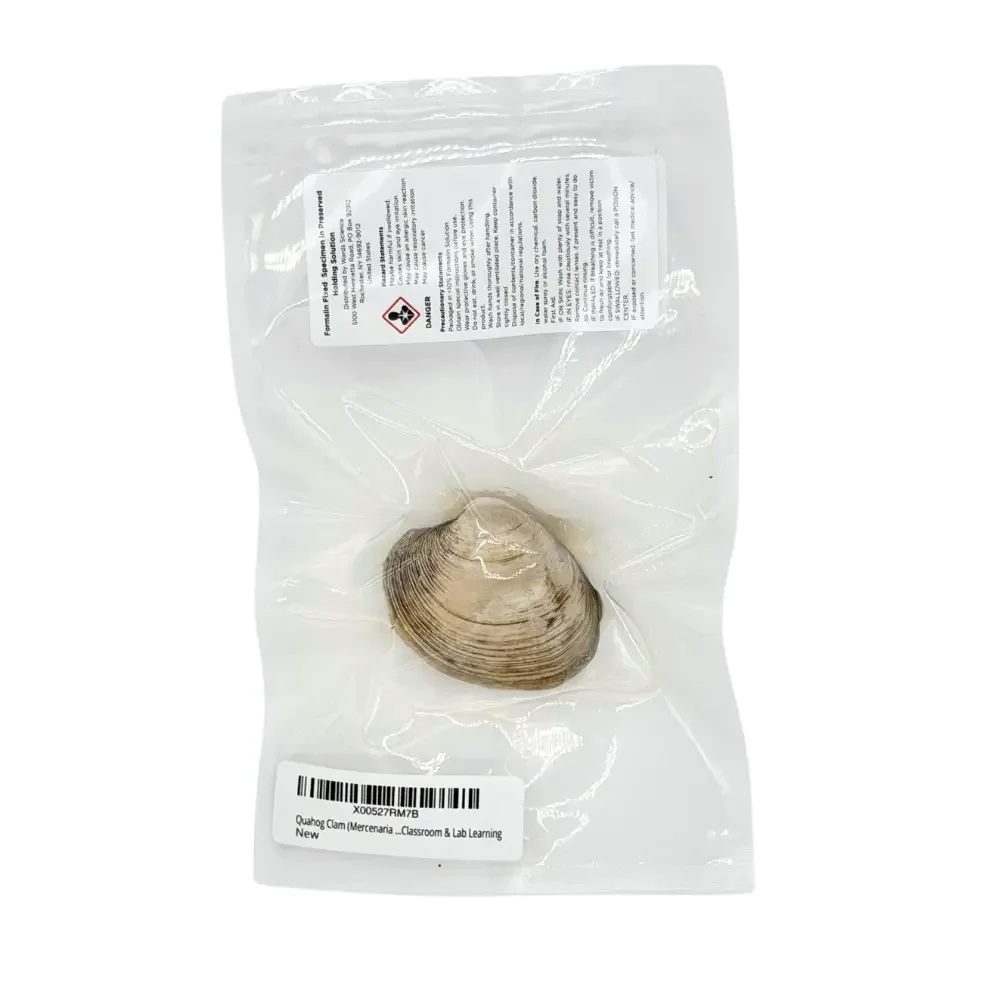
 Image 1 of 5
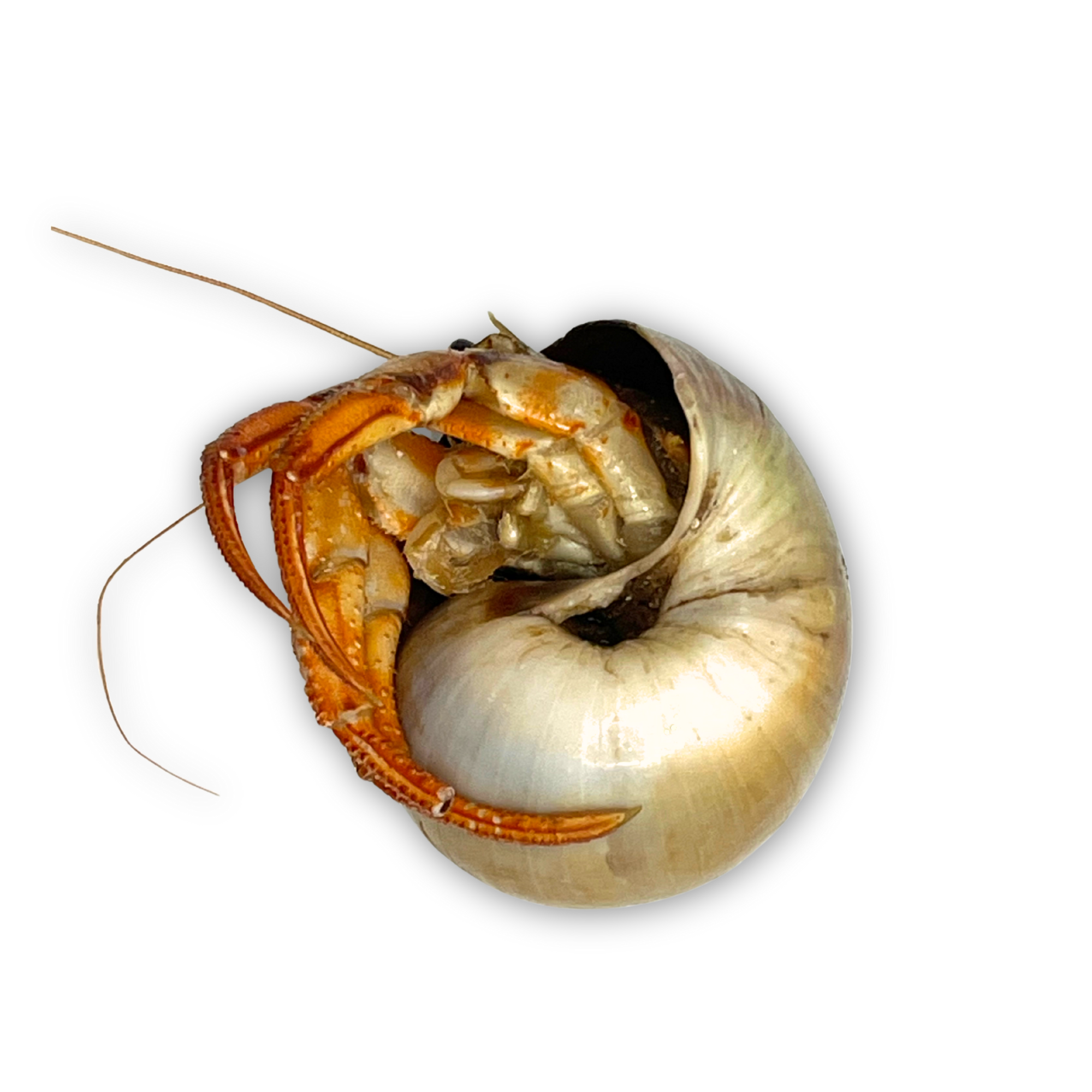 Image 2 of 5
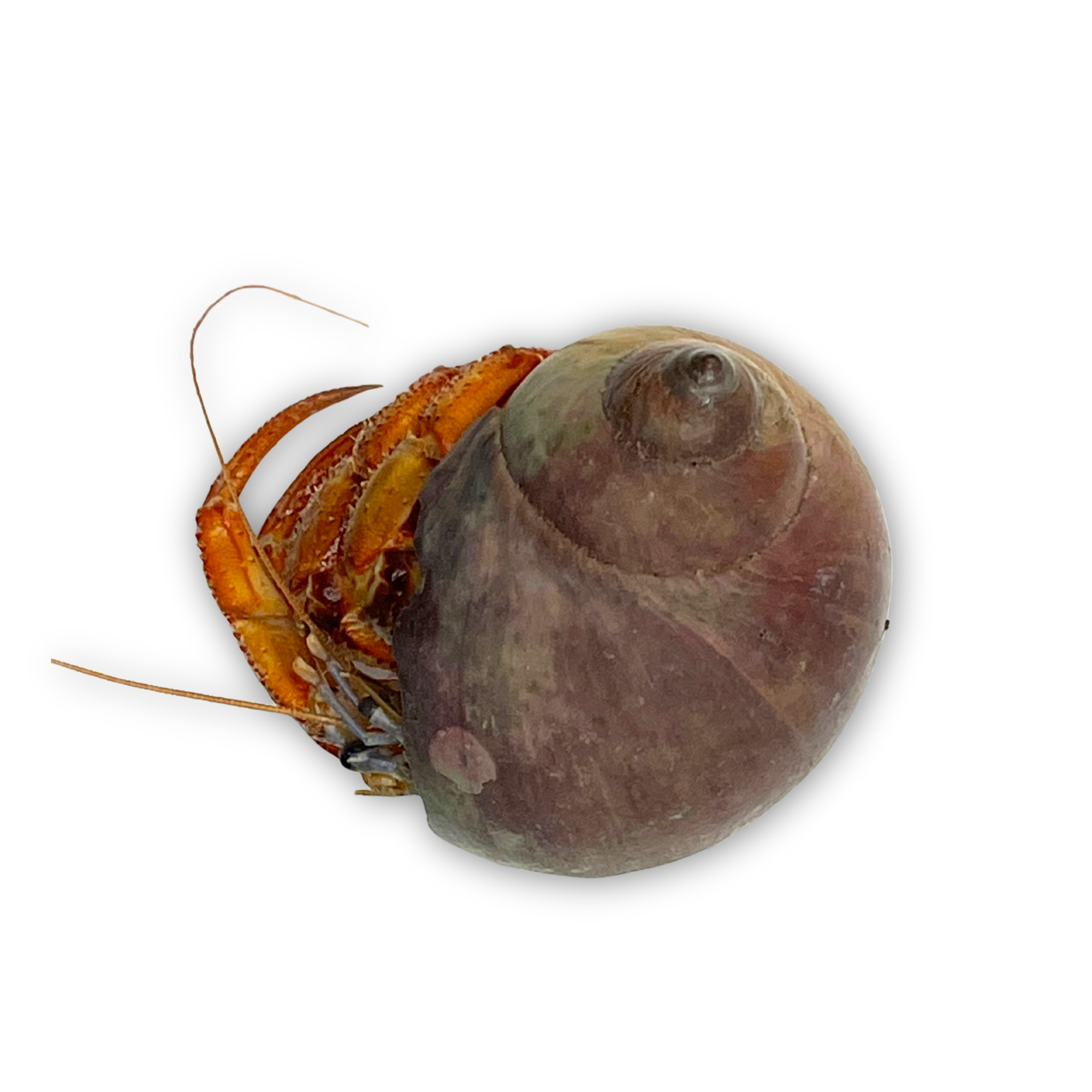 Image 3 of 5
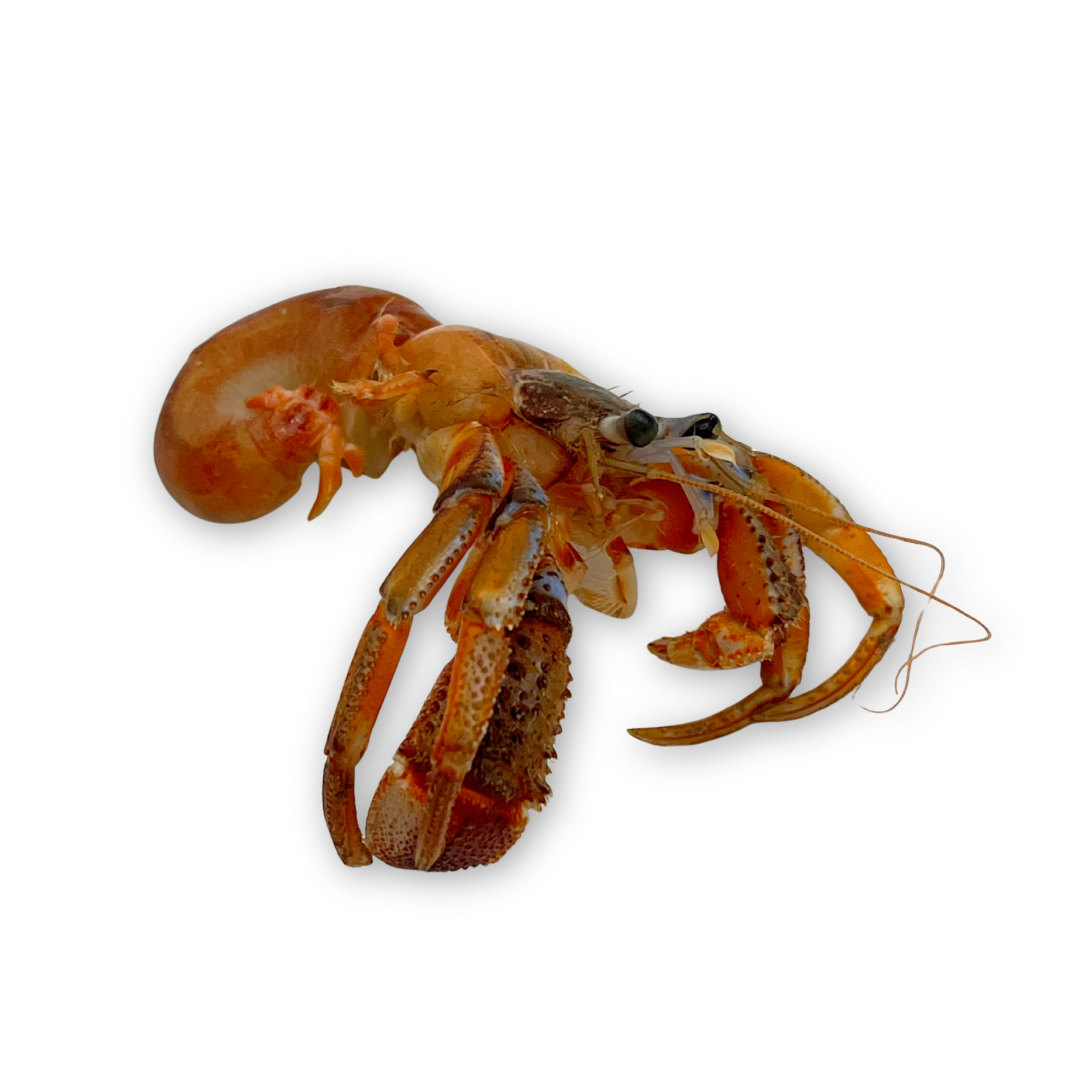 Image 4 of 5
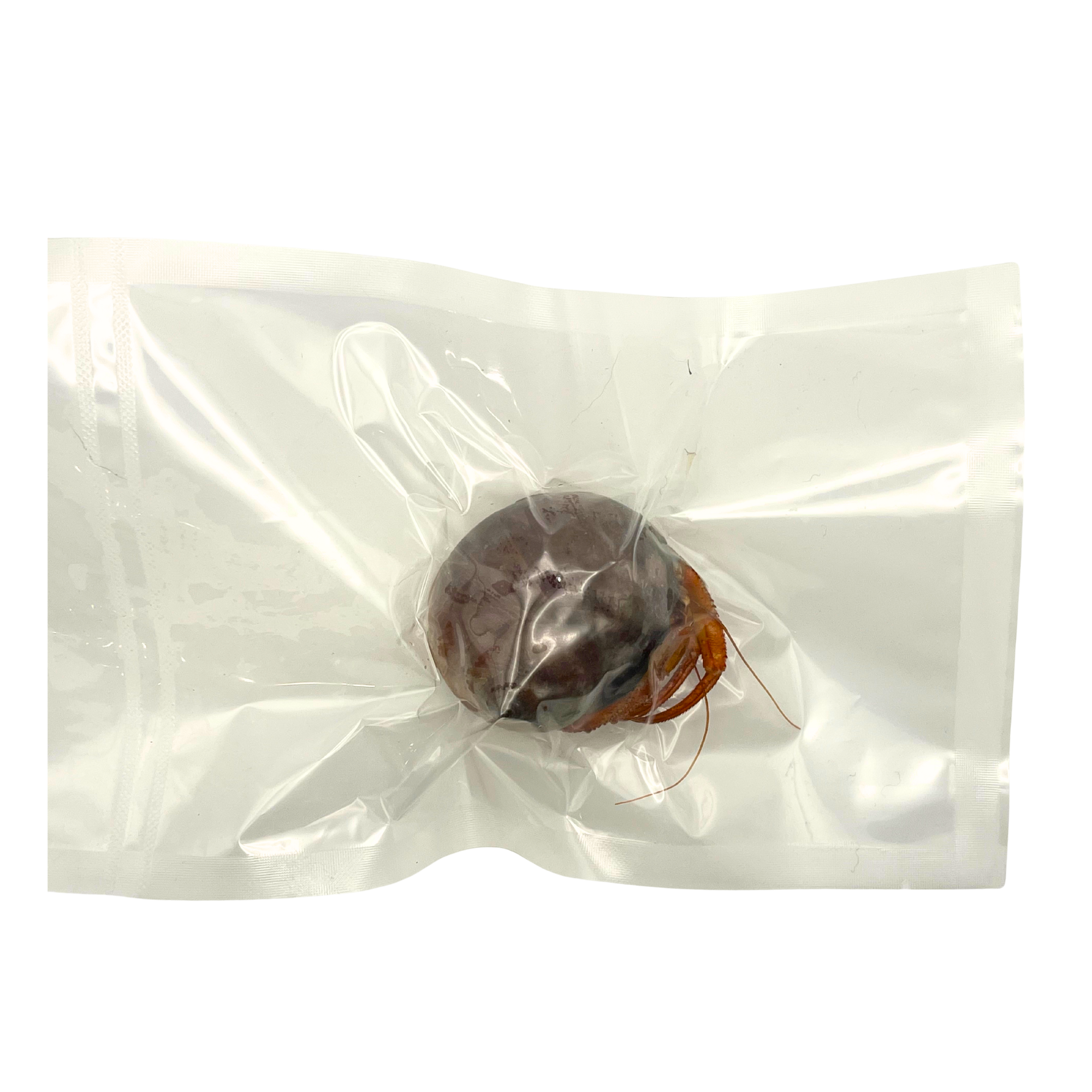 Image 5 of 5
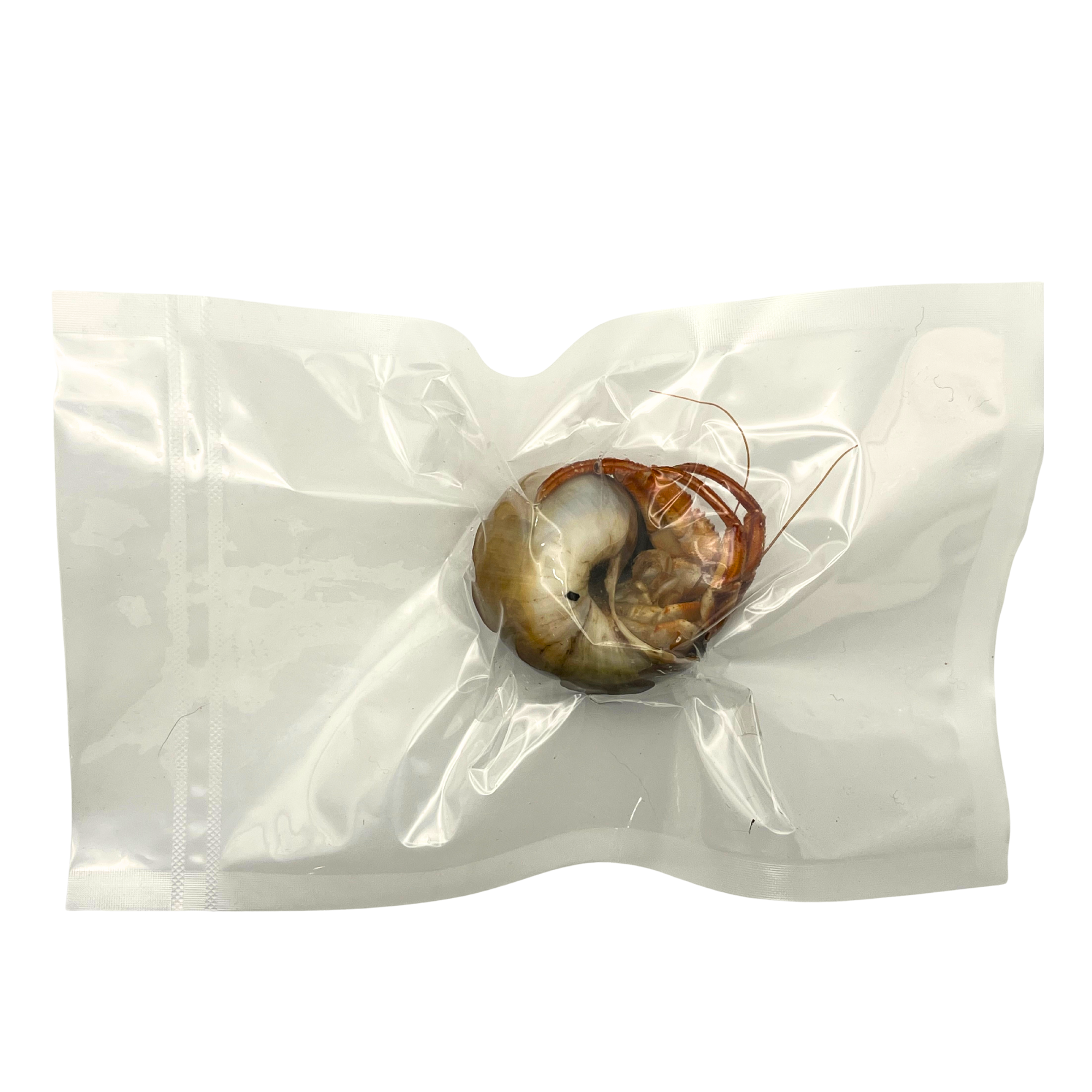
This preserved Acadian hermit crab (Pagurus acadianus) is a formalin-preserved marine invertebrate specimen used in classrooms and laboratories to study crustacean anatomy and coastal ecology. Its asymmetrical body structure and use of gastropod shells make it an excellent model for invertebrate anatomy and marine biology instruction.
Specimen Details
Common name: Acadian hermit crab
Scientific name:Pagurus acadianus
Size: 2–3 inches
Preservation method: Formalin-preserved
Habitat: Shallow coastal waters and rocky intertidal zones
Collection method: Hand-collected
Quantity: Sold individually
Educational Applications
Commonly used in marine biology, invertebrate zoology, and coastal ecology courses, this specimen supports instruction in crustacean anatomy, adaptation, and species interactions. Students can examine external features such as chelae, antennae, and the soft abdomen adapted for shell habitation.
Anatomical Features
Asymmetrical abdomen characteristic of hermit crabs
Clearly preserved chelae, antennae, and cephalothorax
Adaptations for shell use and protection
Suitable for invertebrate anatomy and marine ecology study
Sourcing & Preservation
Specimens are responsibly collected from coastal waters of the Gulf of Maine and preserved in formalin to maintain anatomical integrity for long-term educational use and repeated classroom handling.
Note: This is a preserved marine invertebrate specimen. Natural variations in size, color, and appearance should be expected. For bulk or institutional orders, please contact info@gulfofme.com.
This preserved Acadian hermit crab (Pagurus acadianus) is a formalin-preserved marine invertebrate specimen used in classrooms and laboratories to study crustacean anatomy and coastal ecology. Its asymmetrical body structure and use of gastropod shells make it an excellent model for invertebrate anatomy and marine biology instruction.
Specimen Details
Common name: Acadian hermit crab
Scientific name:Pagurus acadianus
Size: 2–3 inches
Preservation method: Formalin-preserved
Habitat: Shallow coastal waters and rocky intertidal zones
Collection method: Hand-collected
Quantity: Sold individually
Educational Applications
Commonly used in marine biology, invertebrate zoology, and coastal ecology courses, this specimen supports instruction in crustacean anatomy, adaptation, and species interactions. Students can examine external features such as chelae, antennae, and the soft abdomen adapted for shell habitation.
Anatomical Features
Asymmetrical abdomen characteristic of hermit crabs
Clearly preserved chelae, antennae, and cephalothorax
Adaptations for shell use and protection
Suitable for invertebrate anatomy and marine ecology study
Sourcing & Preservation
Specimens are responsibly collected from coastal waters of the Gulf of Maine and preserved in formalin to maintain anatomical integrity for long-term educational use and repeated classroom handling.
Note: This is a preserved marine invertebrate specimen. Natural variations in size, color, and appearance should be expected. For bulk or institutional orders, please contact info@gulfofme.com.