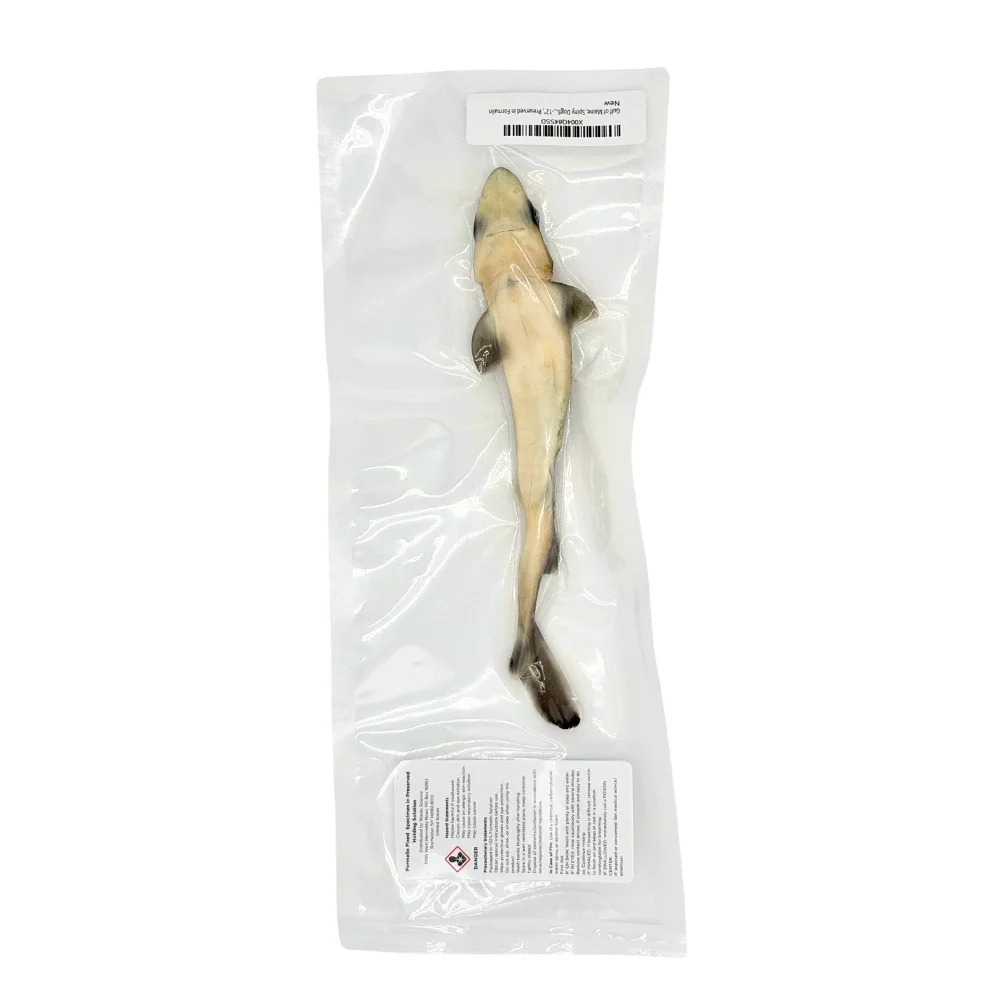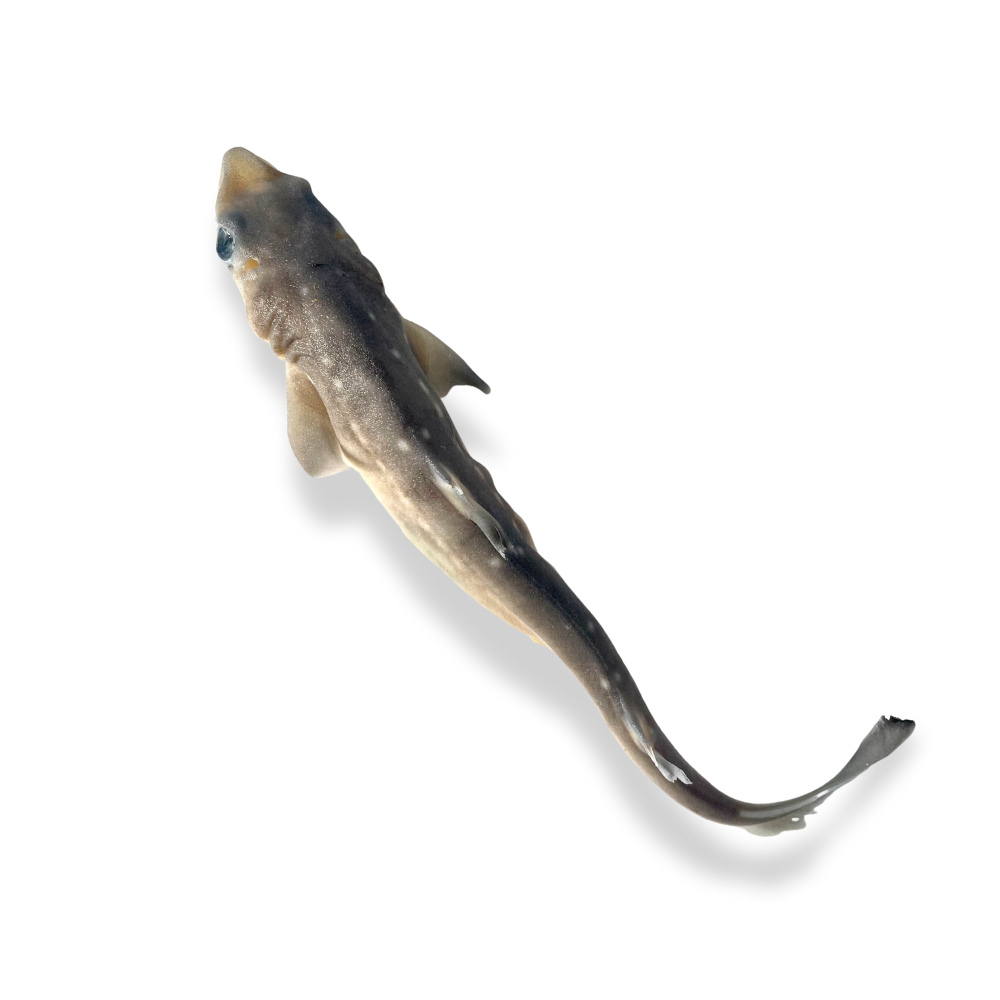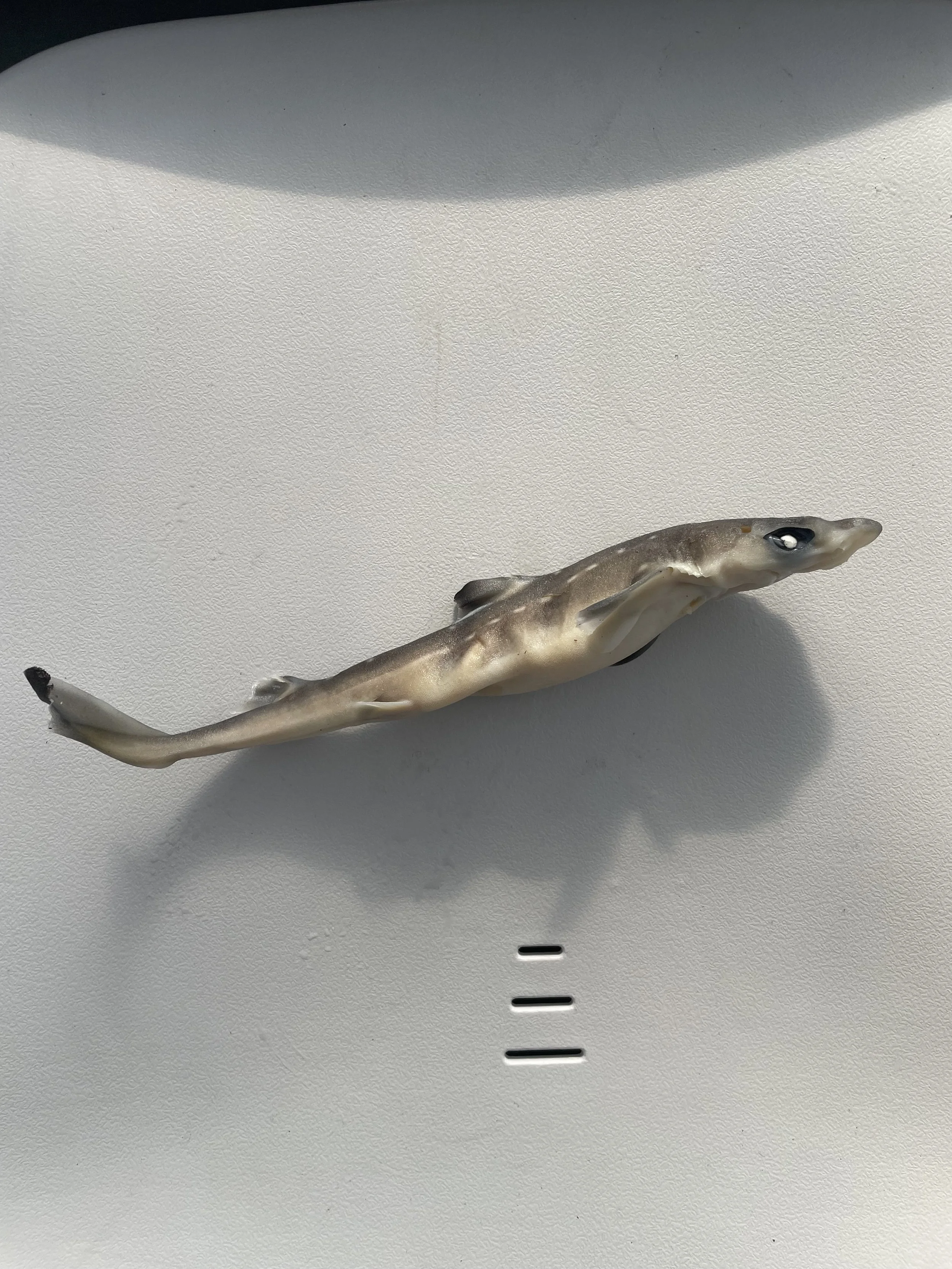
Spiny Dogfish (Squalus acanthias) — Preserved

from $50.00
Size:

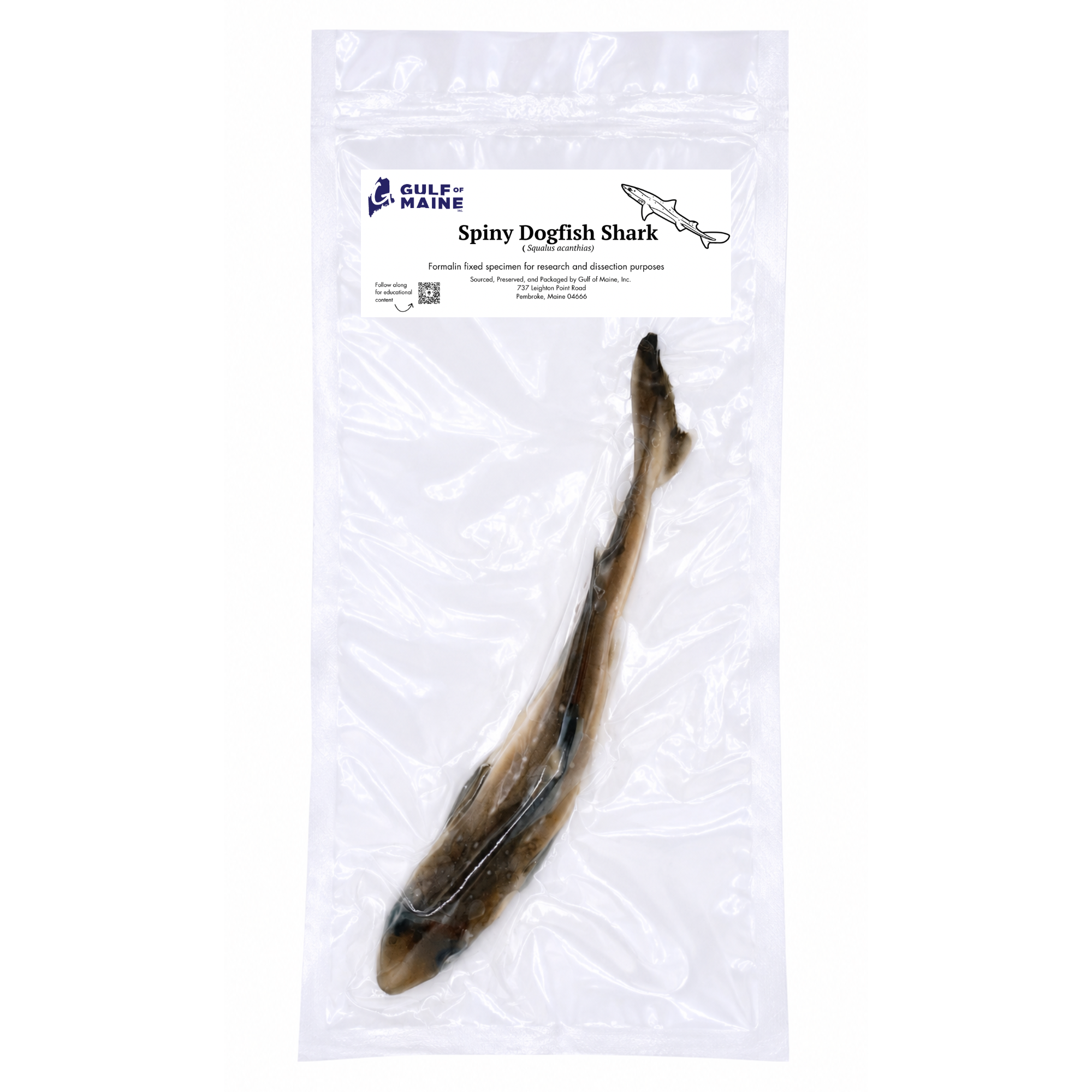
Preserved Spiny Dogfish (Squalus acanthias)
Formalin-preserved marine science specimen

The Spiny Dogfish (Squalus acanthias), also known as the Cape Shark or Spur Dog, is one of the most widely studied cartilaginous fish in marine biology. Its compact size, paired with distinctive dorsal spines and a flexible cartilaginous skeleton, makes it a classic dissection and anatomy specimen for students and researchers alike.

Each specimen is sustainably sourced from the Gulf of Maine and expertly preserved in formalin to maintain internal anatomical detail and long-term structural integrity. These specimens are classroom-ready and ideal for vertebrate biology, comparative anatomy, and marine science education.

Common name: Spiny Dogfish, Cape Shark, Spur Dog
Scientific name: Squalus acanthias
Locations: Open ocean
Seasonality: Available year-round
Colors: Gray
Size: 8-12” & 2’
Collected: Deep sea fishing, bycatch
Quantity: Sold by the each

Uses: Perfect for classroom dissection, vertebrate anatomy demonstrations, comparative biology, museum collections, and marine education exhibits.

Note: This is a preserved marine specimen. Natural variations in size and color should be expected. If you are ordering in bulk or for institutional use, please contact info@gulfofme.com.

Preserved Spiny Dogfish (Squalus acanthias)
Formalin-preserved marine science specimen

The Spiny Dogfish (Squalus acanthias), also known as the Cape Shark or Spur Dog, is one of the most widely studied cartilaginous fish in marine biology. Its compact size, paired with distinctive dorsal spines and a flexible cartilaginous skeleton, makes it a classic dissection and anatomy specimen for students and researchers alike.

Each specimen is sustainably sourced from the Gulf of Maine and expertly preserved in formalin to maintain internal anatomical detail and long-term structural integrity. These specimens are classroom-ready and ideal for vertebrate biology, comparative anatomy, and marine science education.

Common name: Spiny Dogfish, Cape Shark, Spur Dog
Scientific name: Squalus acanthias
Locations: Open ocean
Seasonality: Available year-round
Colors: Gray
Size: 8-12” & 2’
Collected: Deep sea fishing, bycatch
Quantity: Sold by the each

Uses: Perfect for classroom dissection, vertebrate anatomy demonstrations, comparative biology, museum collections, and marine education exhibits.

Note: This is a preserved marine specimen. Natural variations in size and color should be expected. If you are ordering in bulk or for institutional use, please contact info@gulfofme.com.

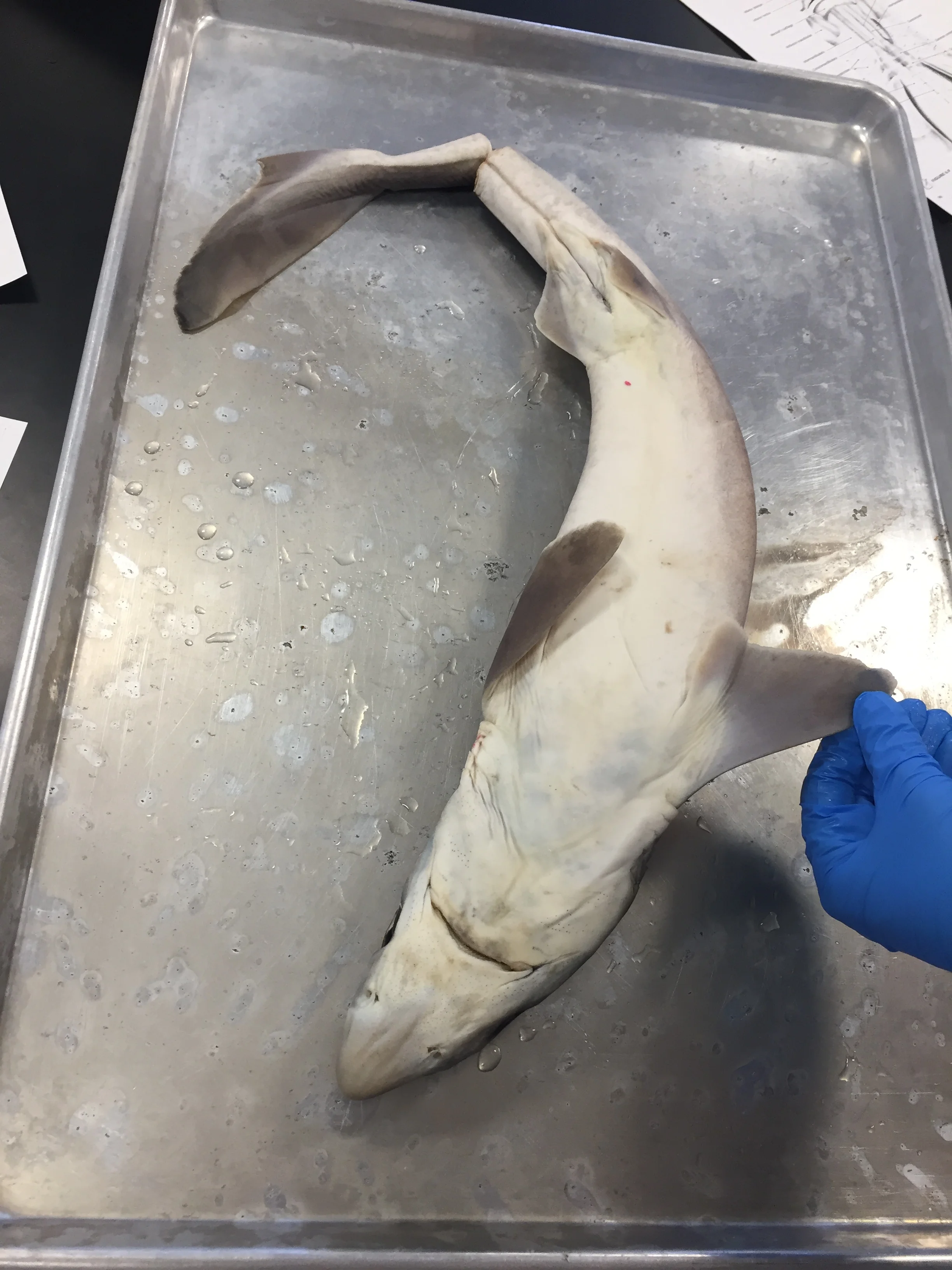
Preserved spiny dogfish being prepared for dissection.

Preserved spiny dogfish being prepared for dissection.

Tidepool Tim says,  "The dogfish is a true, saltwater, cartilaginous shark!  Dogfish can grow to a few feet in size, but they are manageable aquarium residents. They're quite unique, too - they have been known to live up to 100 years. This shark also seems to have the longest gestation period of any vertebrate! They can be pregnant for 22 to 24 months.

A few factors to keep in mind if you are considering caring for the spiny dogfish:

  • Dogfish sharks are mostly bottom-dwelling, but it does require a tank 10' - 12' ft in diameter, near 1,000 gallons volume minimum to keep a healthy shark

  • Sharks prefer a round tank for mobility

  • The tank should have a fine sandy bottom for the shark to dig in

  • Large rocks in the tank must be secured because the shark will burrow and cause cave-ins

  • It's usually best to keep this shark in a species only tank

  • Sharks can't be treated with heavy metal solutions like copper

  • The tank must be well filtered and oxygenated with minimal swimming obstructions placed in the tank

  • Diet: shrimp, squid, fishes, crustaceans, krill, scallops, and other invertebrates

  • This shark has spined dorsal fins (not venomous)

Dogfish are unbelievably numerous in the Gulf of Maine, and make for a great opportunity to study or dissect a cartilaginous fish. Contact us to request this animal frozen or preserved. Sharks are an evolutionary link before the mineralized skeleton! Dogfish don't even have a swim bladder - just an oily liver to provide buoyancy. Among other amazing features of sharks, they predate the dinosaurs and have outlived them by far. They are the Earth's original apex predator. Examine dogfish sensory structures: the lateral line system and Ampullae of Lorenzini used to detect electrical impulses of other sea creatures. "

Download the Dogfish Dissection Guide PDF