 Image 1 of 3
 Image 2 of 3
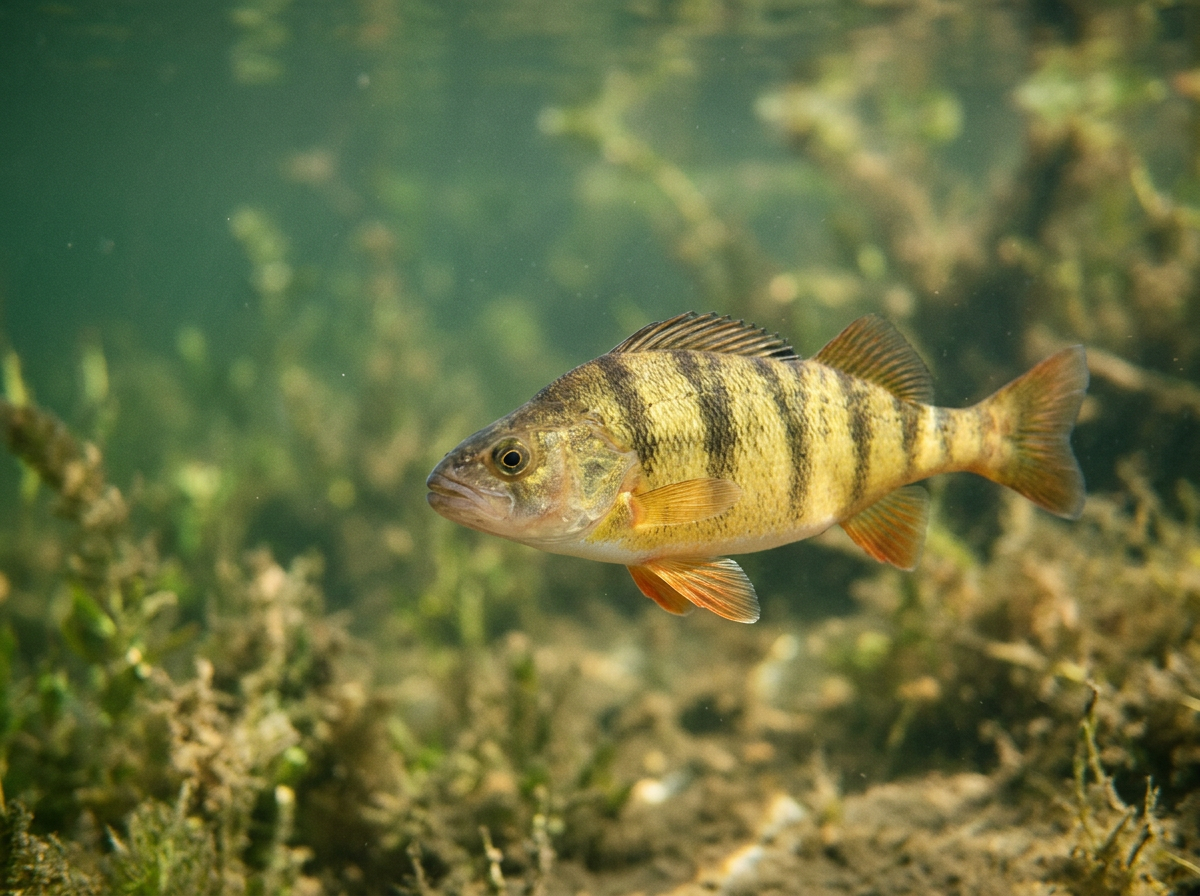 Image 3 of 3
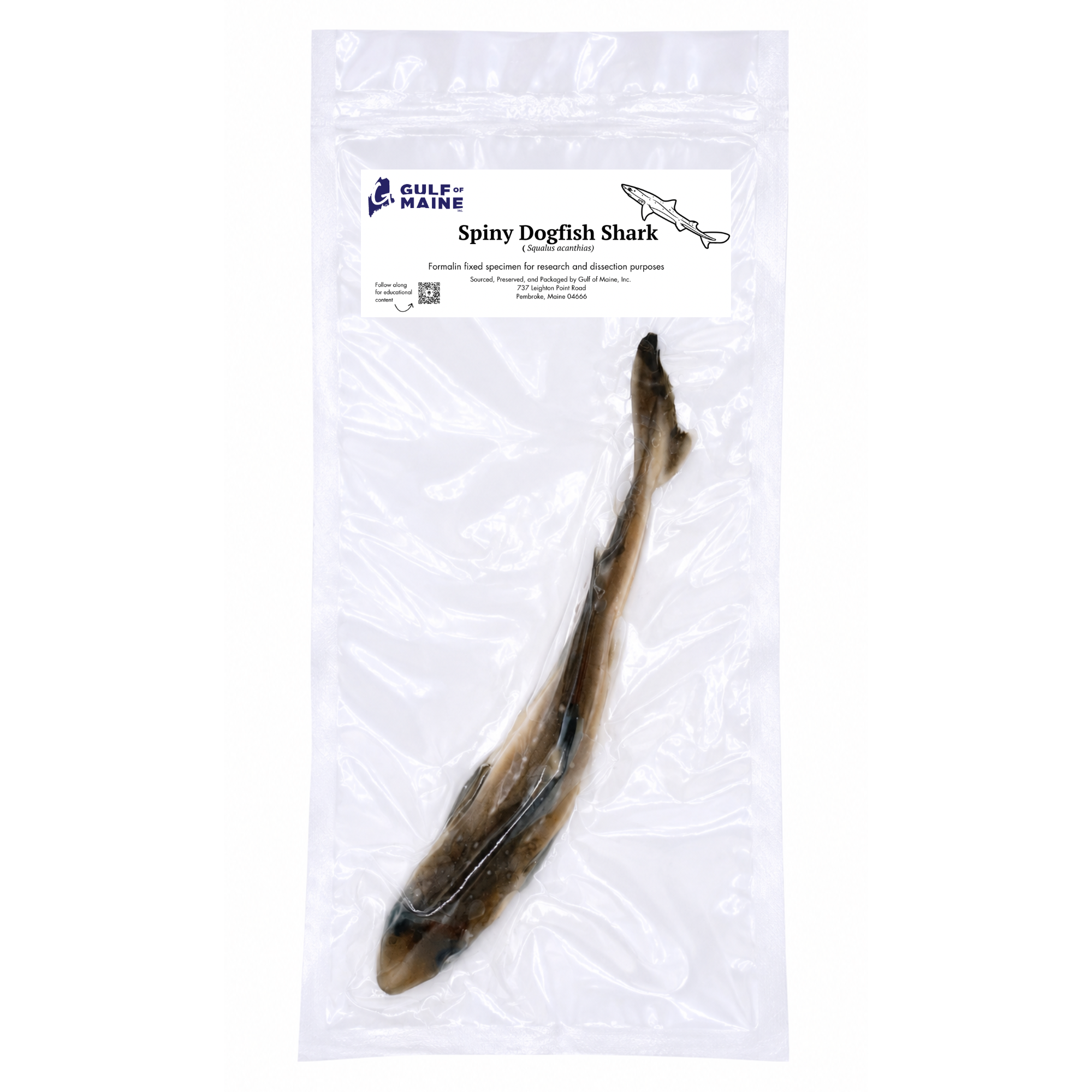
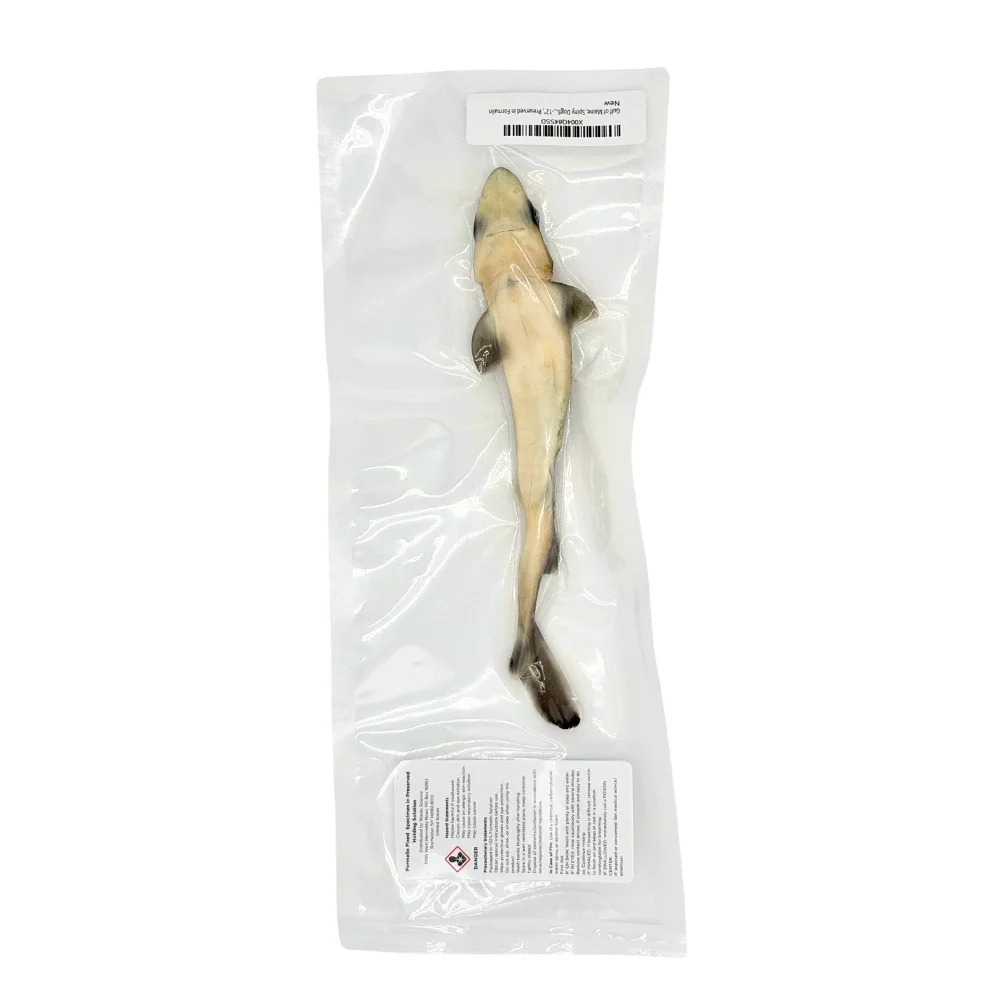
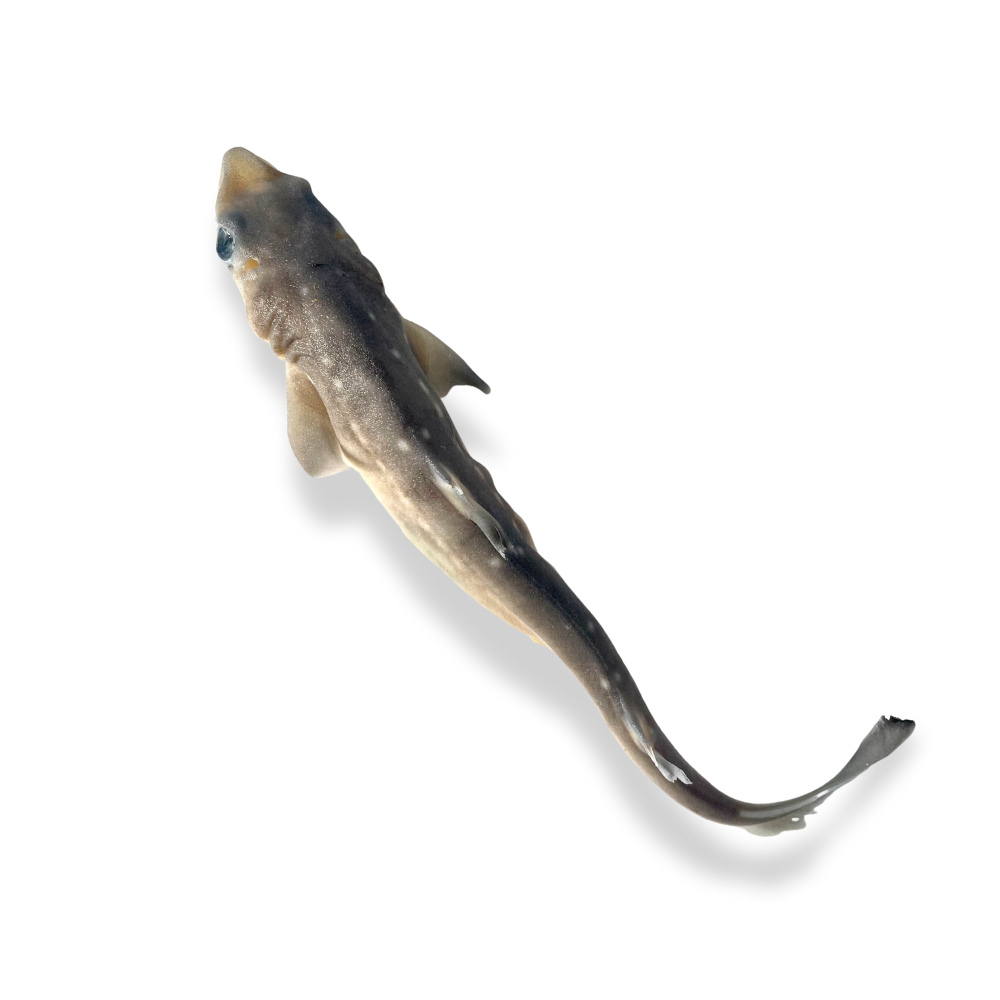
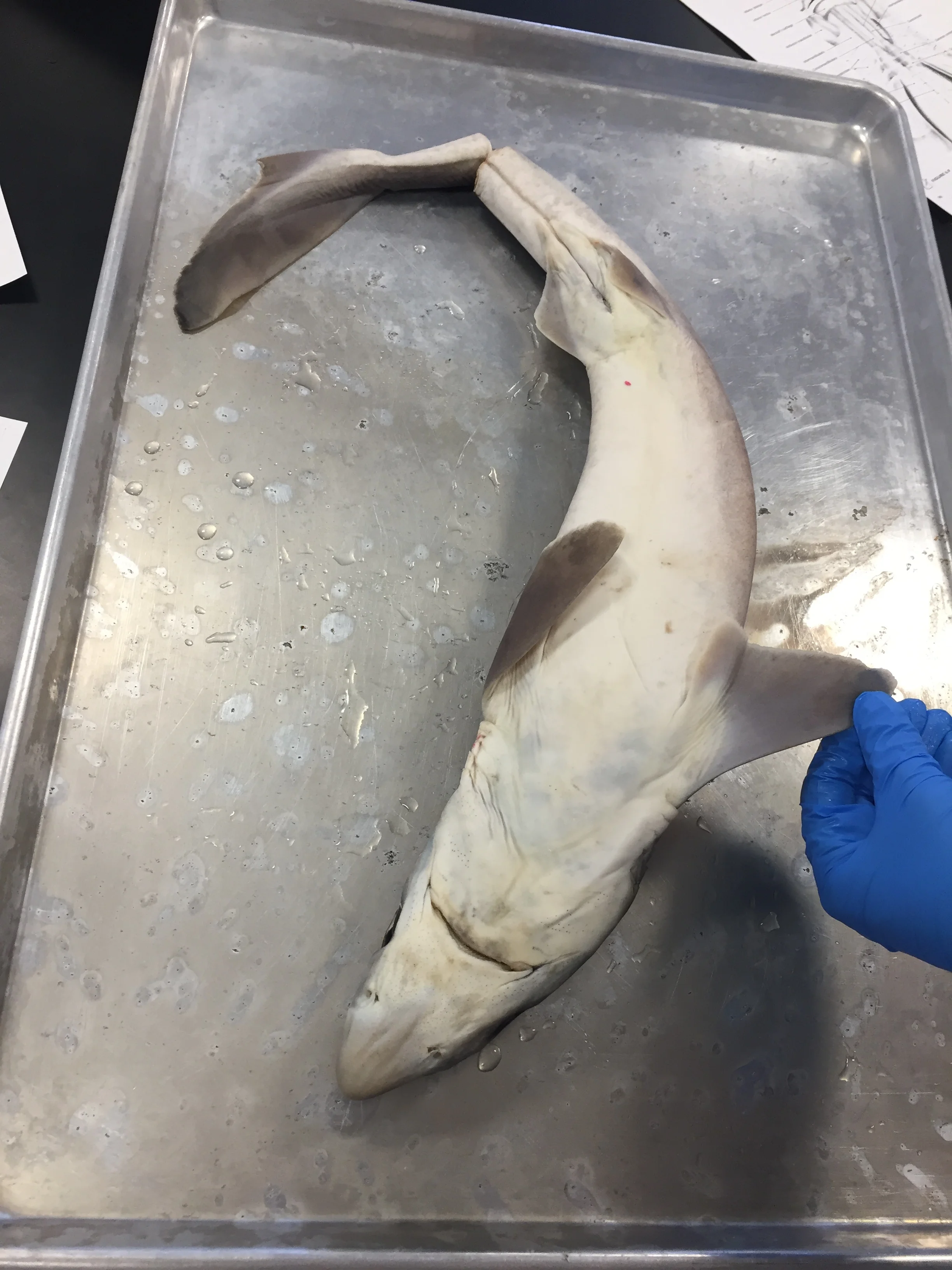
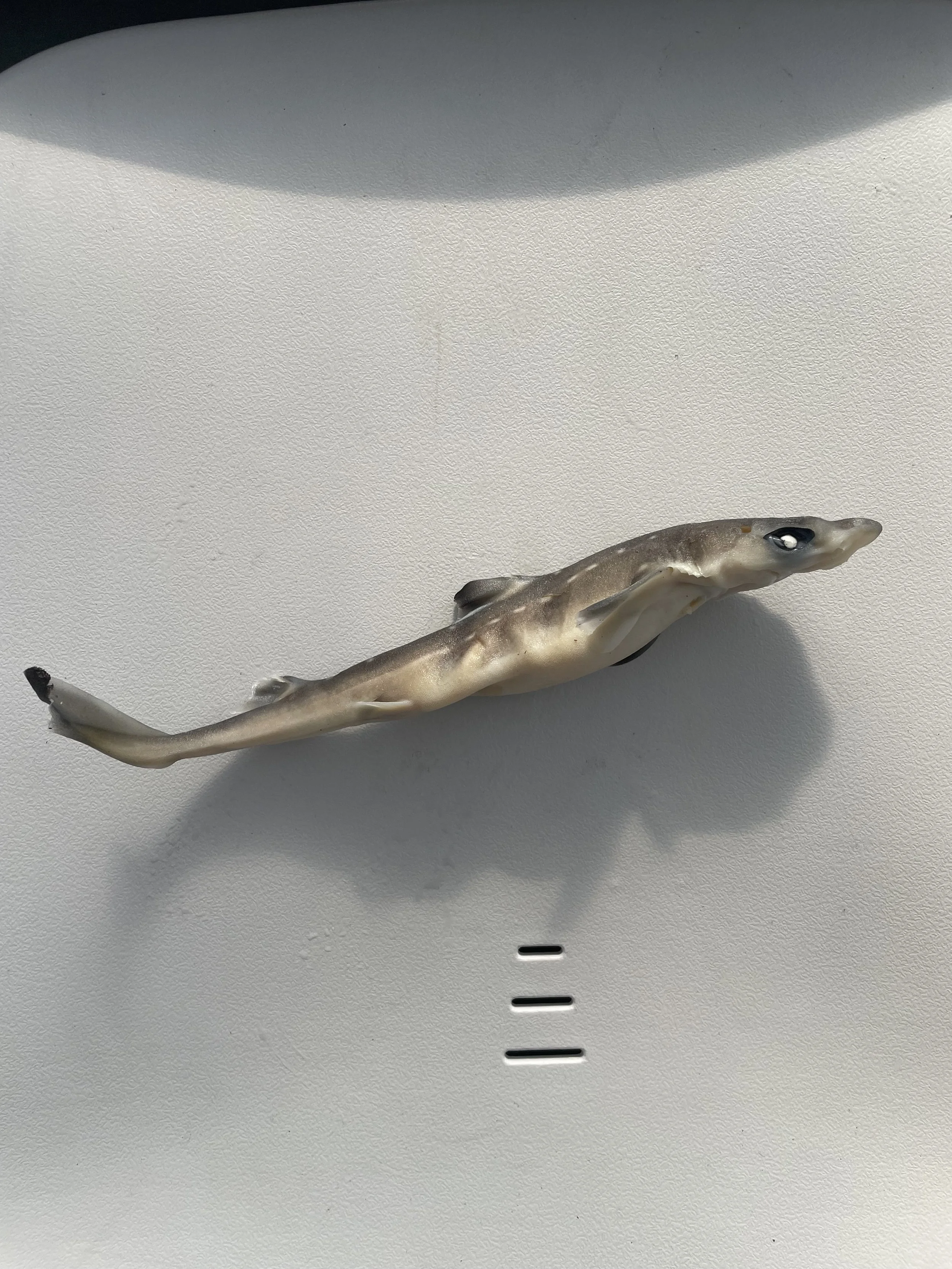
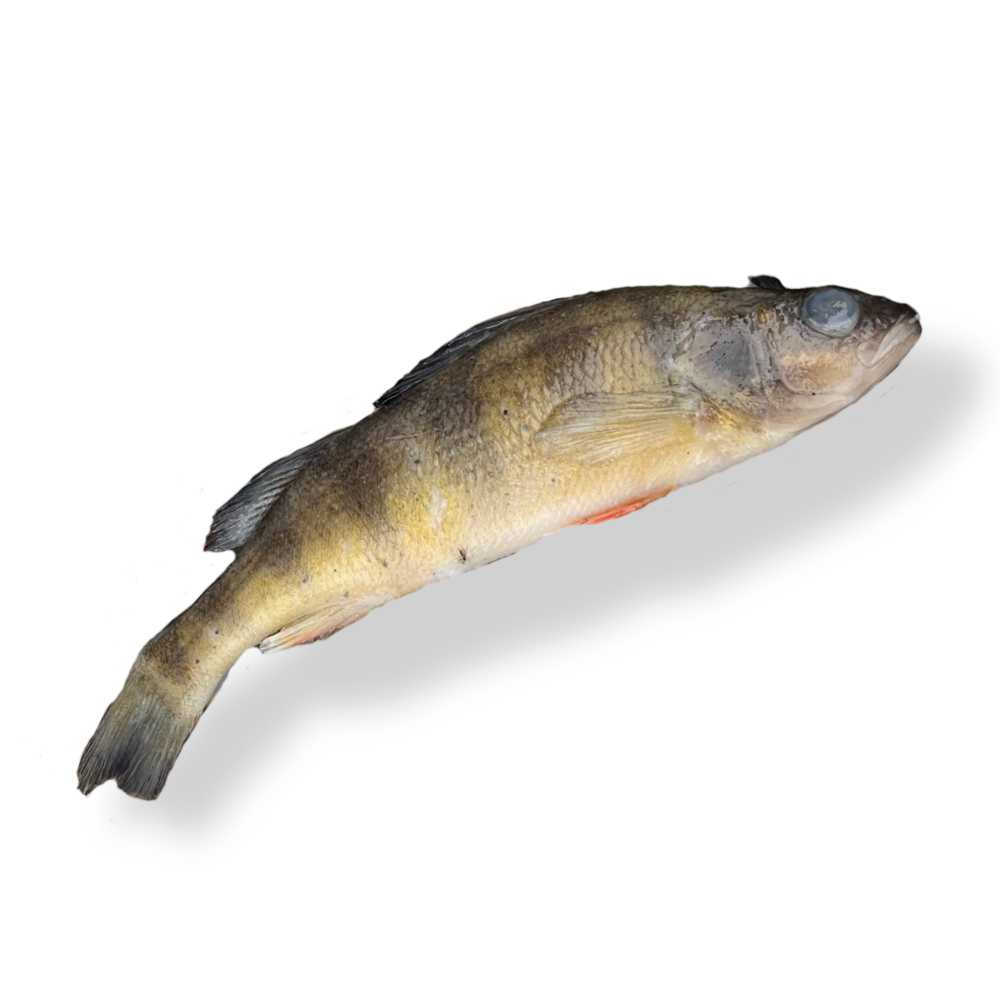
This preserved yellow perch (Perca flavescens) is a 5–7” freshwater fish specimen ideal for classroom dissection, lab study, and comparative anatomy. This specimen is formalin-preserved, vacuum-sealed, and ready for educational use.
Specimen Details
Common name: Yellow perch
Scientific name: Perca flavescens
Size: 5–7 inches
Preservation method: Formalin-preserved, vacuum-sealed
Habitat: Freshwater lakes and rivers
Quantity: Sold individually
Educational Applications
Commonly used in biology classrooms and laboratories, this specimen supports instruction in vertebrate anatomy, fish physiology, and freshwater ecology. Students can examine external features such as fins and scales, as well as internal structures including gills, swim bladder, and reproductive organs.
Anatomical Features
Distinct dorsal fins and vertical striping for species identification
Clearly preserved fins, operculum, and scales
Suitable for comparative anatomy studies
Classroom-ready with no additional preparation required
Sourcing & Preservation
Specimens are responsibly sourced and preserved to maintain anatomical integrity for educational use. Each fish is vacuum-sealed to ensure safe handling and long-term storage.
Note: This is a preserved freshwater fish specimen. Natural variations in size, color, and appearance from photos should be expected.
This preserved yellow perch (Perca flavescens) is a 5–7” freshwater fish specimen ideal for classroom dissection, lab study, and comparative anatomy. This specimen is formalin-preserved, vacuum-sealed, and ready for educational use.
Specimen Details
Common name: Yellow perch
Scientific name: Perca flavescens
Size: 5–7 inches
Preservation method: Formalin-preserved, vacuum-sealed
Habitat: Freshwater lakes and rivers
Quantity: Sold individually
Educational Applications
Commonly used in biology classrooms and laboratories, this specimen supports instruction in vertebrate anatomy, fish physiology, and freshwater ecology. Students can examine external features such as fins and scales, as well as internal structures including gills, swim bladder, and reproductive organs.
Anatomical Features
Distinct dorsal fins and vertical striping for species identification
Clearly preserved fins, operculum, and scales
Suitable for comparative anatomy studies
Classroom-ready with no additional preparation required
Sourcing & Preservation
Specimens are responsibly sourced and preserved to maintain anatomical integrity for educational use. Each fish is vacuum-sealed to ensure safe handling and long-term storage.
Note: This is a preserved freshwater fish specimen. Natural variations in size, color, and appearance from photos should be expected.