 Image 1 of 3
 Image 2 of 3
 Image 3 of 3
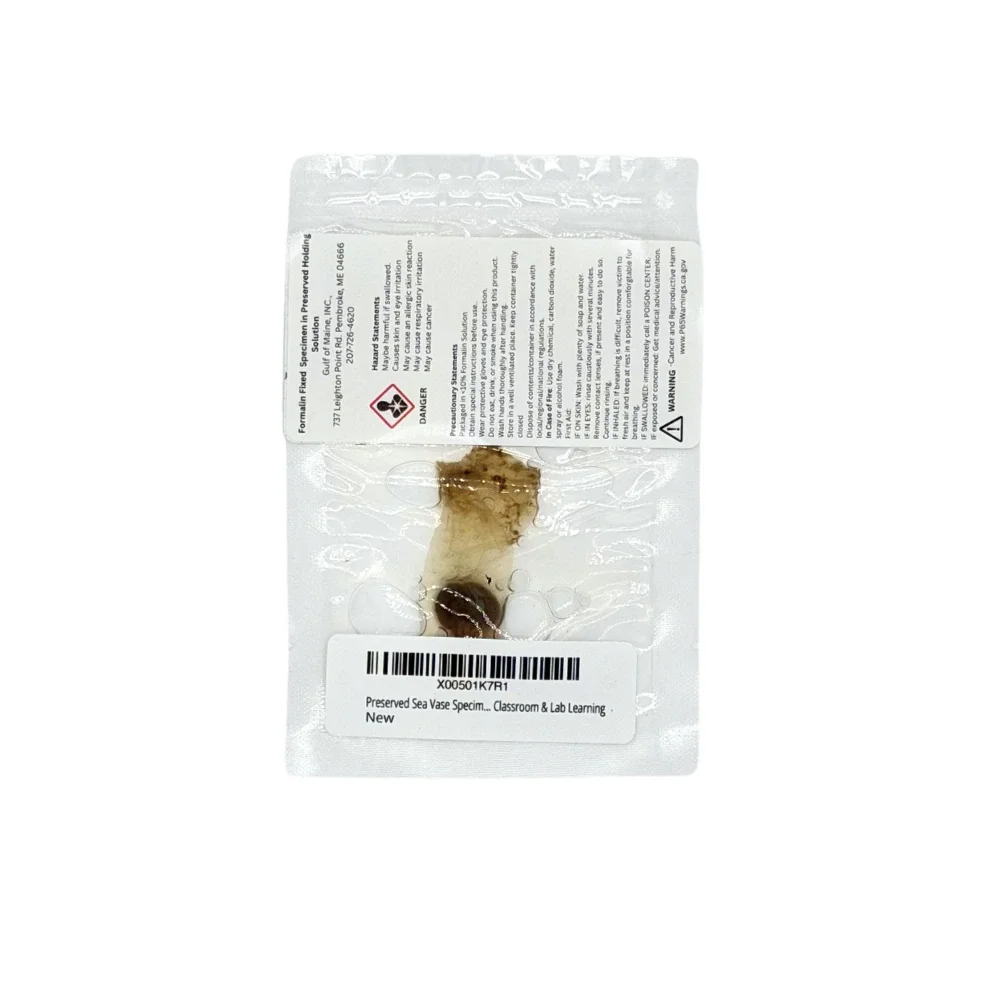
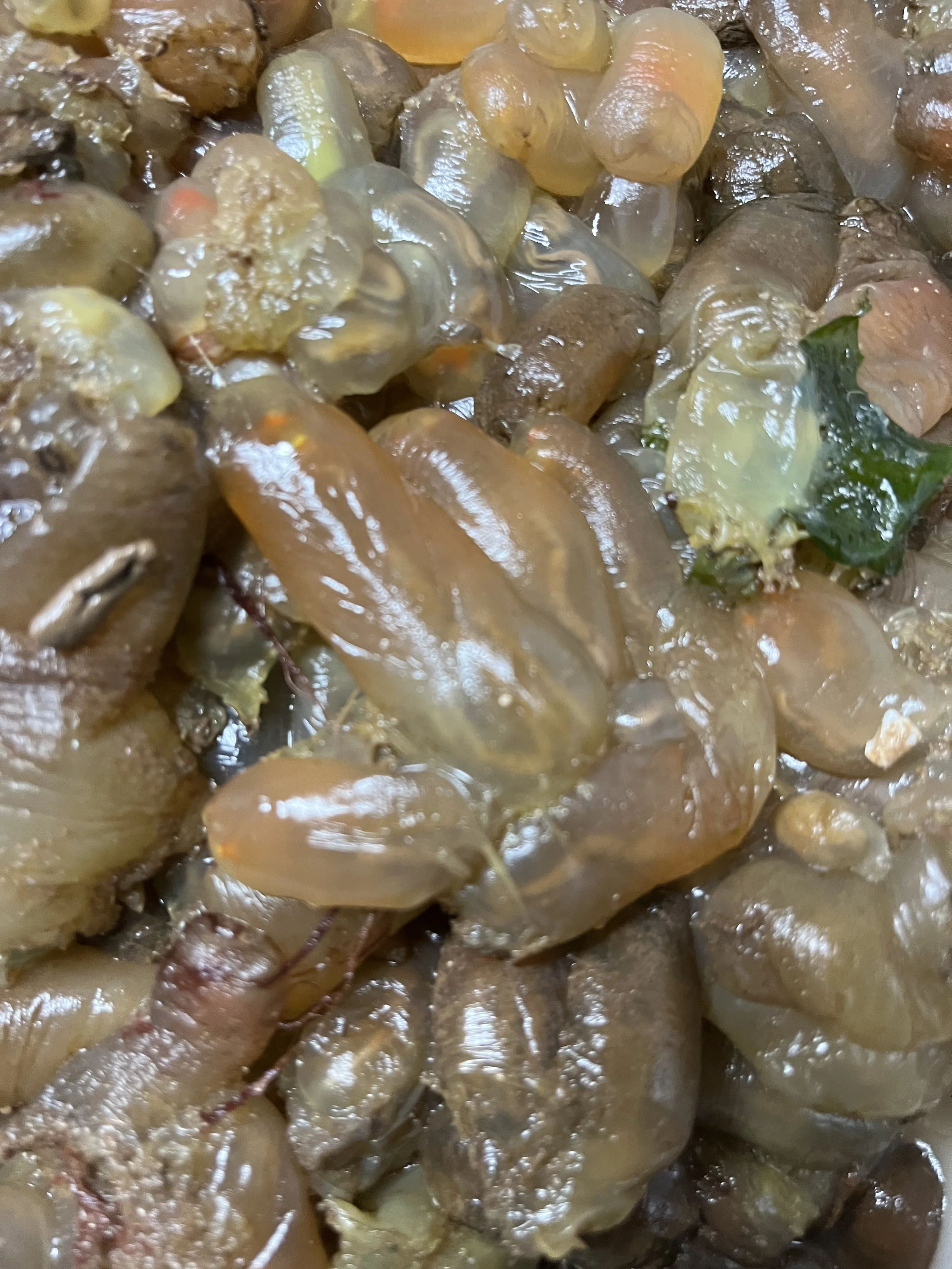
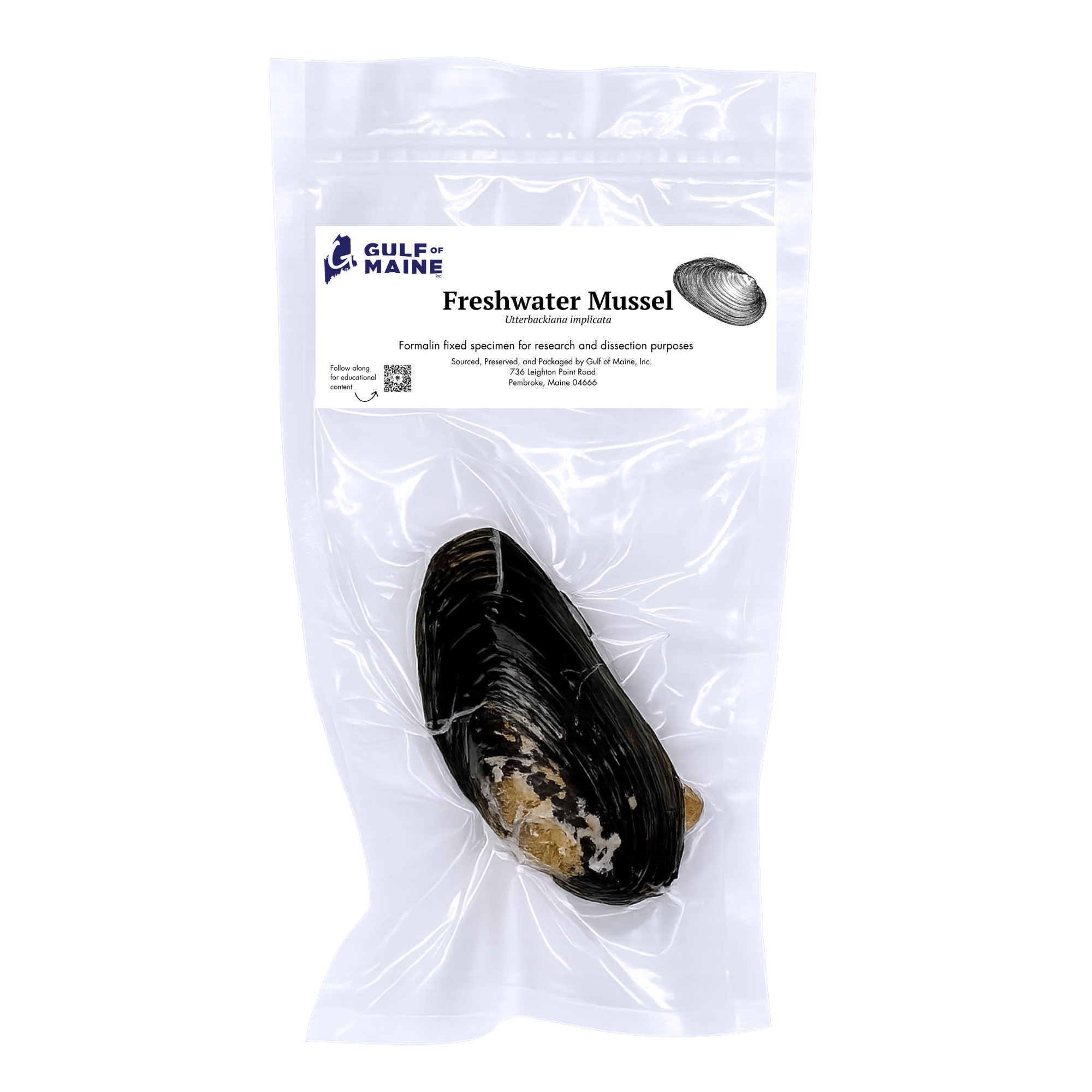
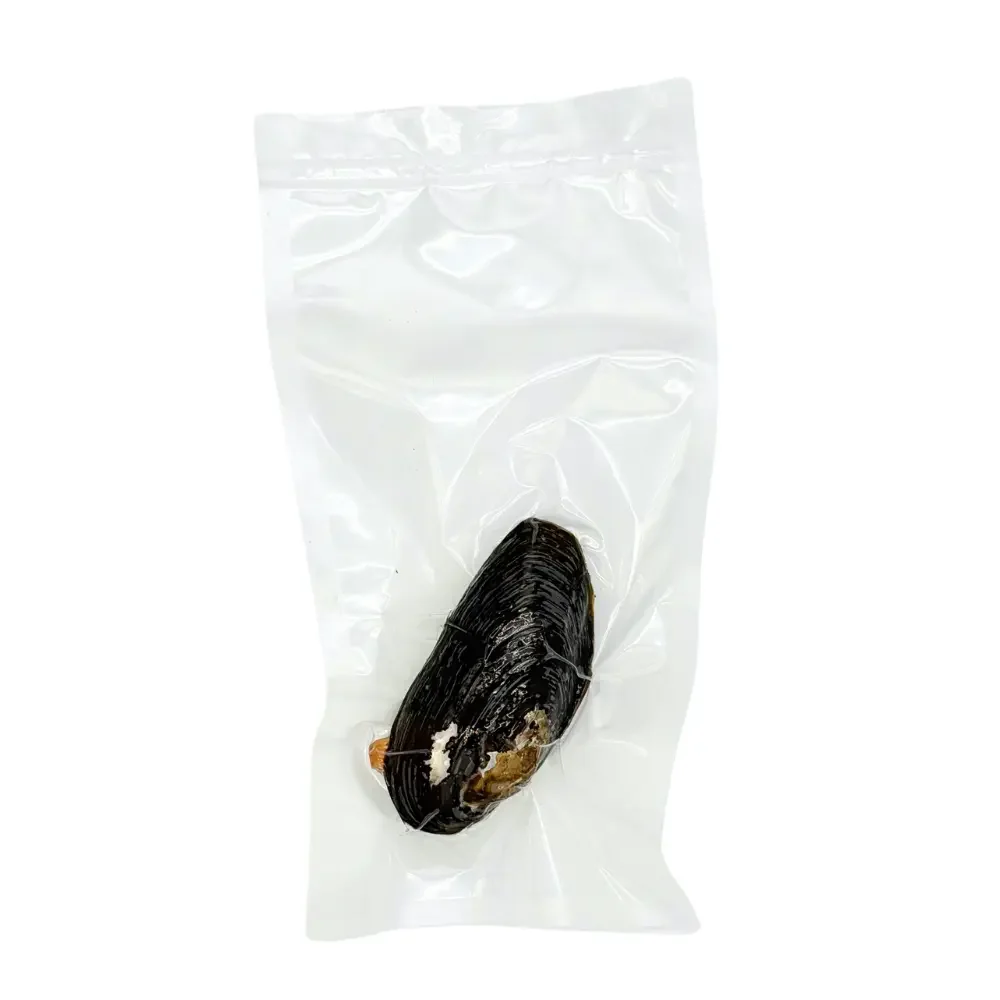
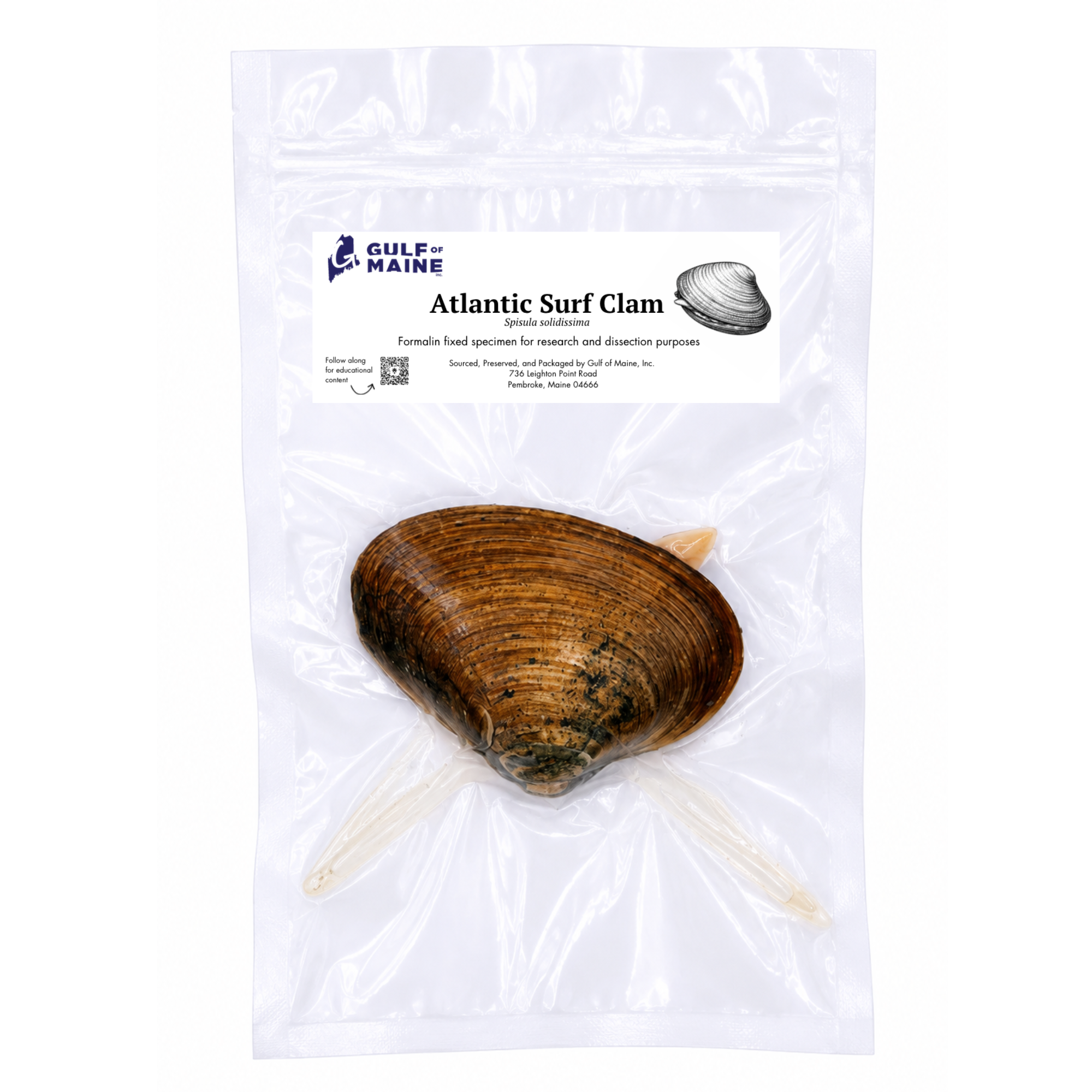
This preserved surf clam (Spisula solidissima), a common marine bivalve found along the Atlantic coast, is a formalin-preserved marine specimen ideal for classroom dissection, anatomy study, and comparative marine biology instruction. Its thick shell and well-developed internal anatomy make it an excellent model organism for studying bivalve structure, filter-feeding systems, and coastal marine ecology.
Common name: Surf clam
Scientific name: Spisula solidissima
Size: 3–5 inches, as available
Preservation method: Formalin-preserved
Widely used in marine biology and environmental science courses, this specimen supports instruction in bivalve anatomy, shell morphology, and filter-feeding adaptations. Students can examine key anatomical features such as the shell valves, siphons, mantle tissue, gills, and internal organ structures while gaining insight into the ecological role of surf clams in marine sediment habitats.
Thick, durable shell characteristic of surf clams
Clearly preserved internal anatomy including mantle and gills
Demonstrates filter-feeding anatomy and siphon structures
Ideal for comparative mollusk and marine invertebrate studies
Suitable for repeated classroom handling and dissection instruction
Specimens are responsibly sourced from Atlantic coastal environments and carefully preserved in formalin to maintain anatomical integrity for long-term educational use and repeated classroom handling. Each specimen is prepared to support marine science, anatomy, and zoology instruction.
Note: This is a preserved marine specimen. Natural variations in size, shape, and coloration should be expected. For bulk or institutional orders, please contact info@gulfofme.com.
This preserved surf clam (Spisula solidissima), a common marine bivalve found along the Atlantic coast, is a formalin-preserved marine specimen ideal for classroom dissection, anatomy study, and comparative marine biology instruction. Its thick shell and well-developed internal anatomy make it an excellent model organism for studying bivalve structure, filter-feeding systems, and coastal marine ecology.
Common name: Surf clam
Scientific name: Spisula solidissima
Size: 3–5 inches, as available
Preservation method: Formalin-preserved
Widely used in marine biology and environmental science courses, this specimen supports instruction in bivalve anatomy, shell morphology, and filter-feeding adaptations. Students can examine key anatomical features such as the shell valves, siphons, mantle tissue, gills, and internal organ structures while gaining insight into the ecological role of surf clams in marine sediment habitats.
Thick, durable shell characteristic of surf clams
Clearly preserved internal anatomy including mantle and gills
Demonstrates filter-feeding anatomy and siphon structures
Ideal for comparative mollusk and marine invertebrate studies
Suitable for repeated classroom handling and dissection instruction
Specimens are responsibly sourced from Atlantic coastal environments and carefully preserved in formalin to maintain anatomical integrity for long-term educational use and repeated classroom handling. Each specimen is prepared to support marine science, anatomy, and zoology instruction.
Note: This is a preserved marine specimen. Natural variations in size, shape, and coloration should be expected. For bulk or institutional orders, please contact info@gulfofme.com.