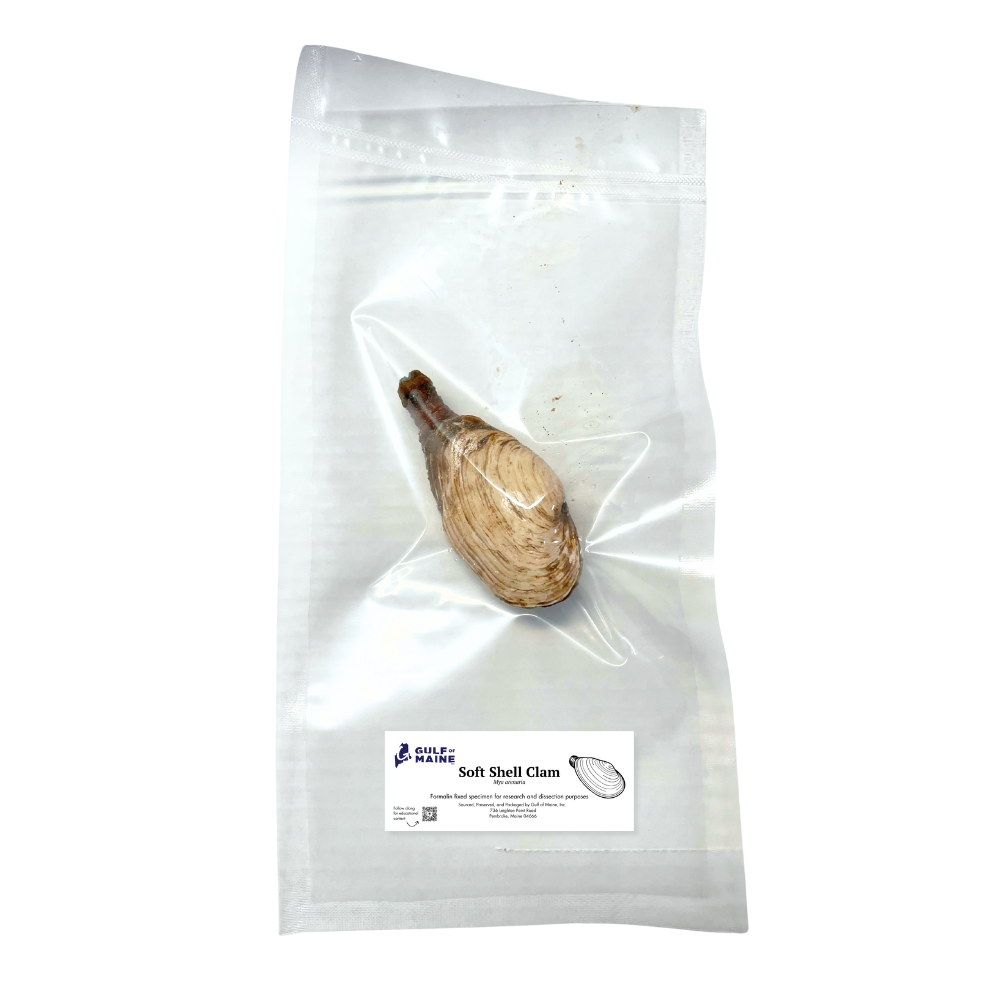
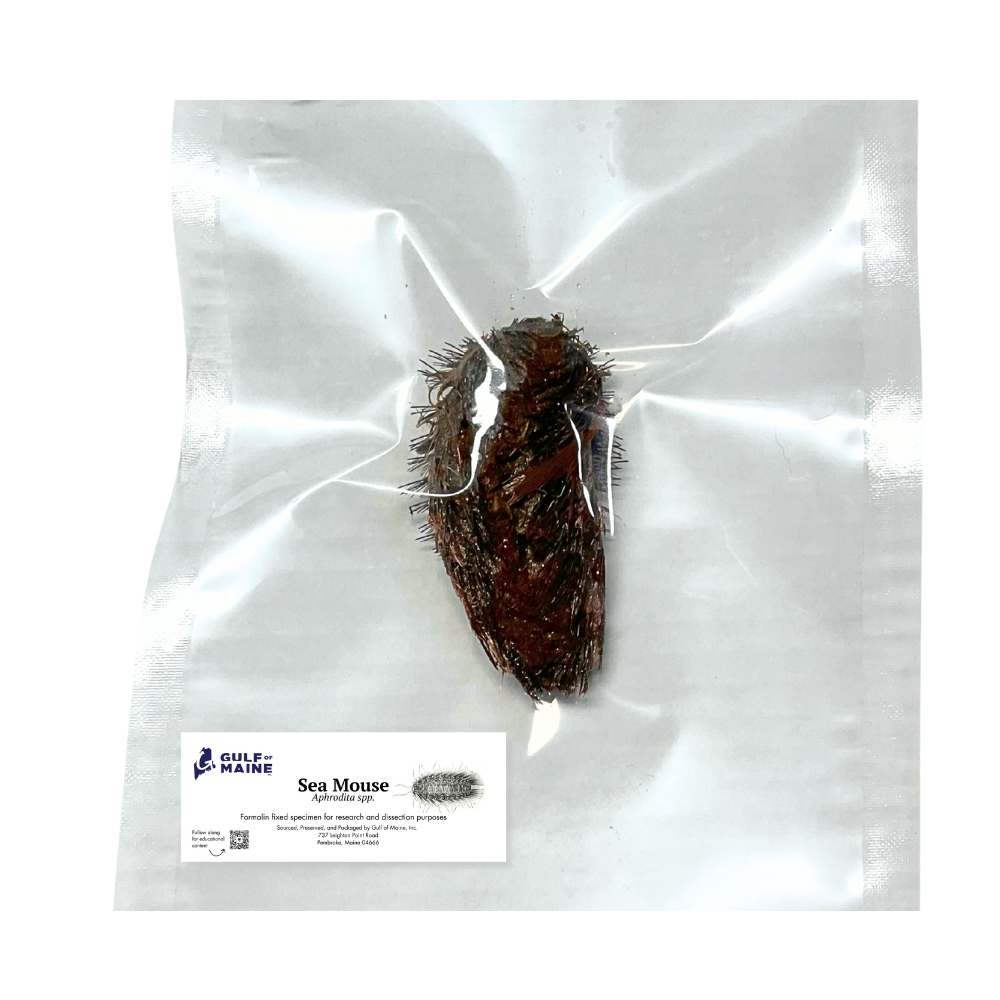
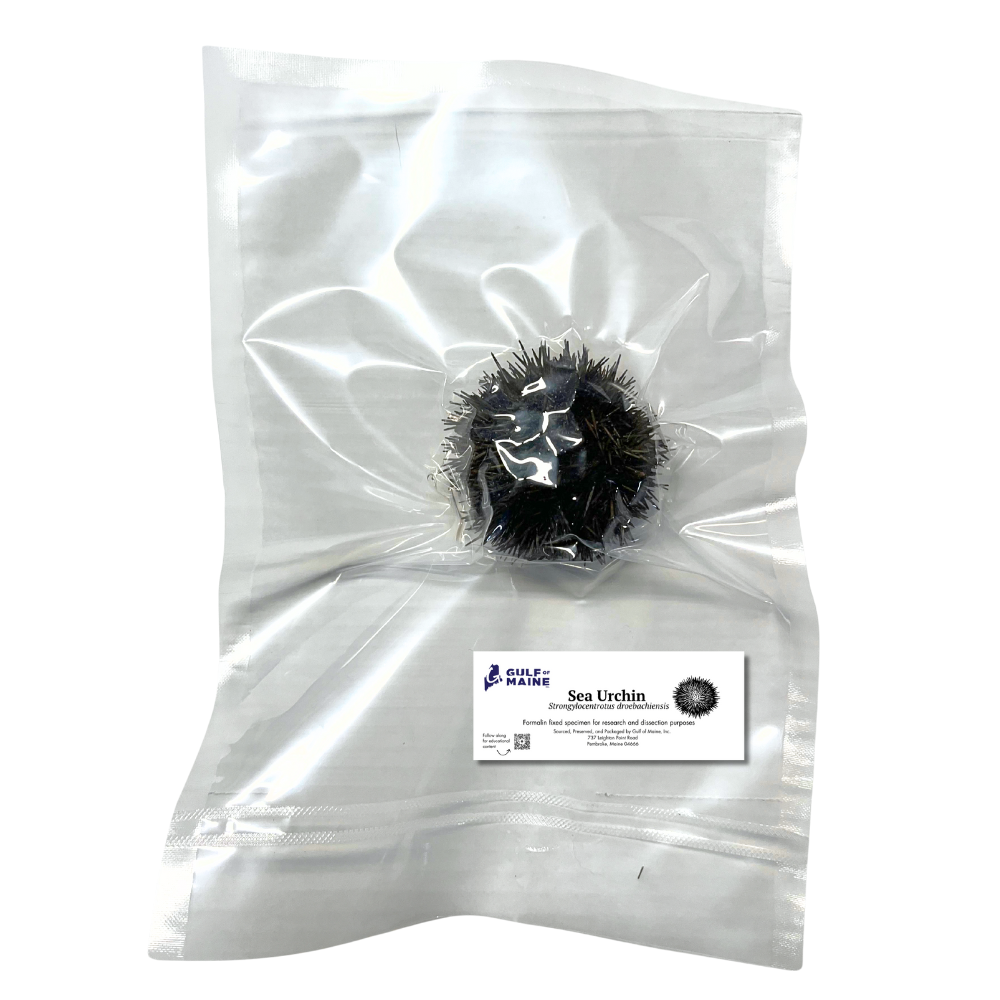
Preserved Marine Specimens for Dissection
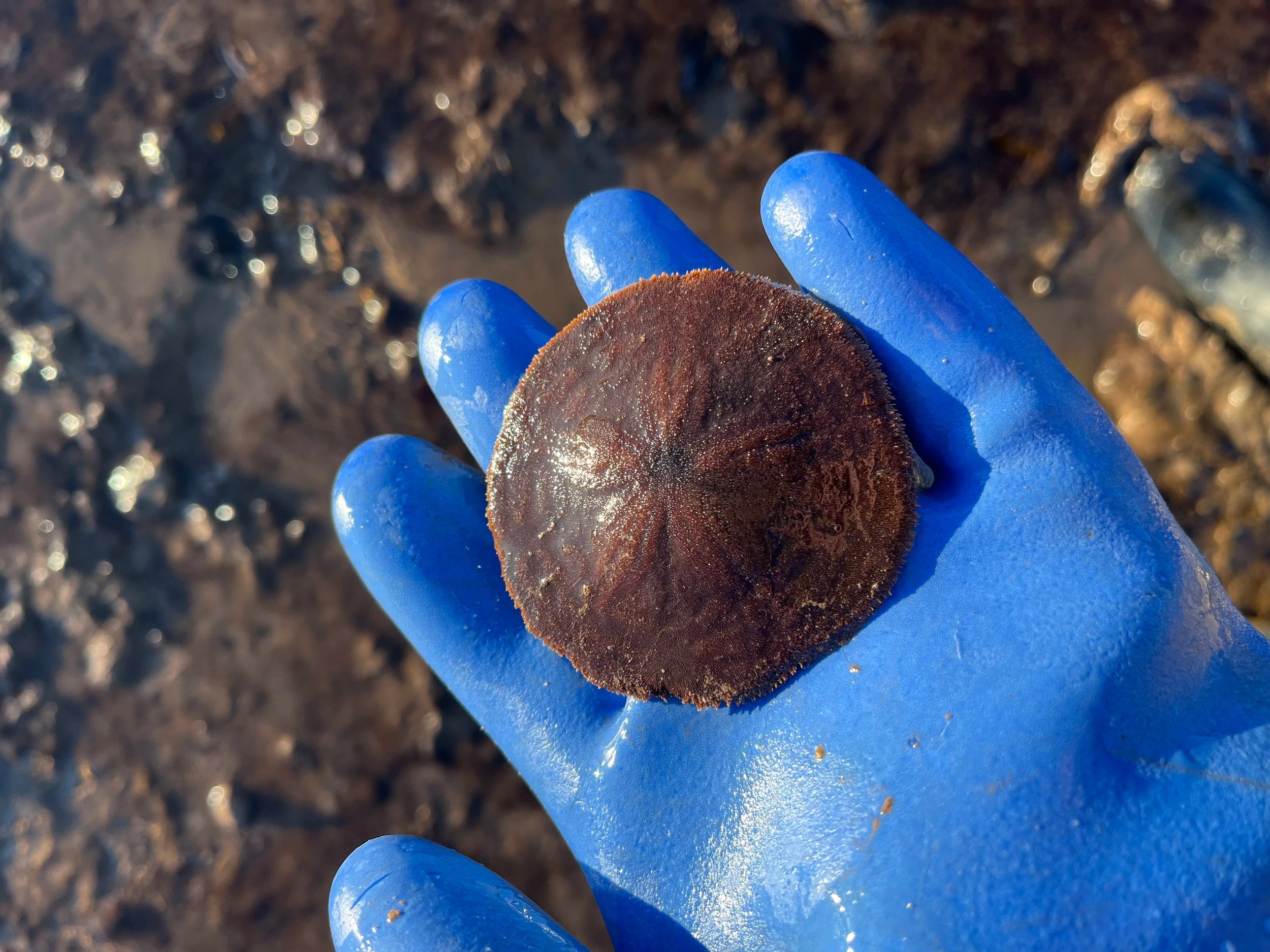
Tidepool Tim on a beach in Maine showing a live Sand dollar
Vacuum-Sealed, Ethically Sourced Marine Life from a Working Marine Biologist
If you’re searching for preserved marine specimens for dissection, you probably have practical questions:
How long do preserved specimens last?
Do vacuum-sealed specimens smell?
Are they safe for classroom or homeschool use?
What’s the difference between jar-preserved and vacuum-sealed specimens?
Are marine specimens ethically sourced?
You’re not alone — and surprisingly, there isn’t much clear information available.
At Gulf of Maine, Inc., we specialize in preserved vac sealed marine life specimens sourced directly from the cold Atlantic waters of Maine. Each specimen is selected and prepared under the guidance of working marine biologist Tidepool Tim, who spent years teaching high school biology before dedicating his work to providing authentic marine materials for science education.
This isn’t anonymous lab inventory.
It’s real marine life — responsibly sourced and prepared with education in mind.
Why Choose Preserved Marine Specimens for Dissection?
Hands-on anatomy changes how students understand biology.
Real marine specimens allow learners to:
Observe authentic anatomical structures
Study natural variation between organisms
Compare invertebrate and vertebrate systems
Investigate symmetry, adaptation, and function
Marine organisms are especially powerful teaching tools because they introduce body plans not commonly seen in terrestrial animals — from echinoderm radial symmetry to cartilaginous fish anatomy.
Popular marine specimens for dissection include:
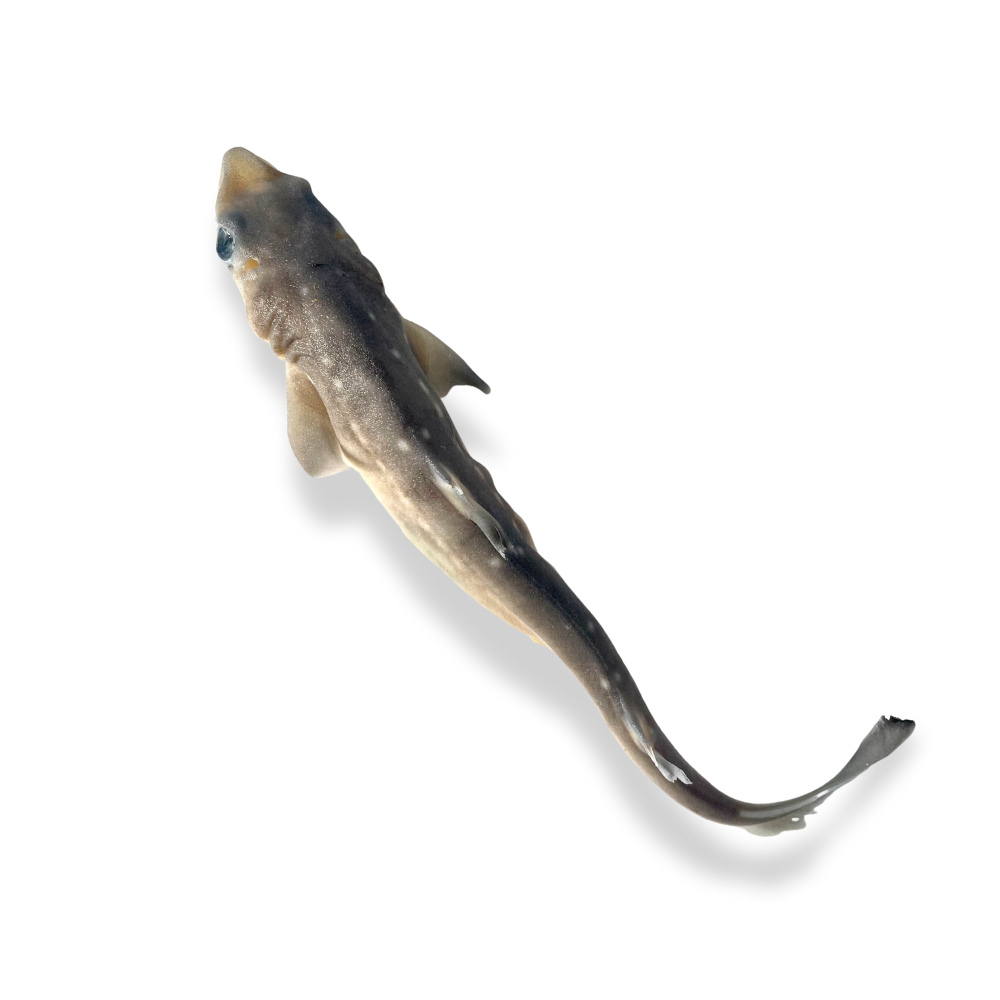
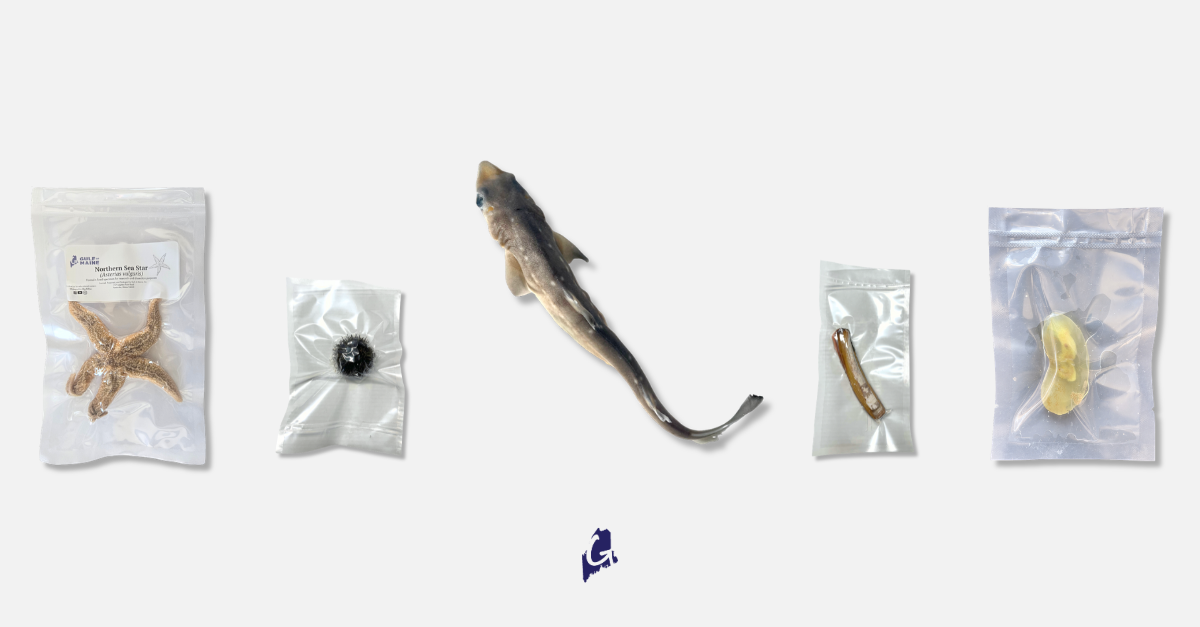
Spiny Dogfish (Squalus acanthias) – Classic vertebrate anatomy specimen
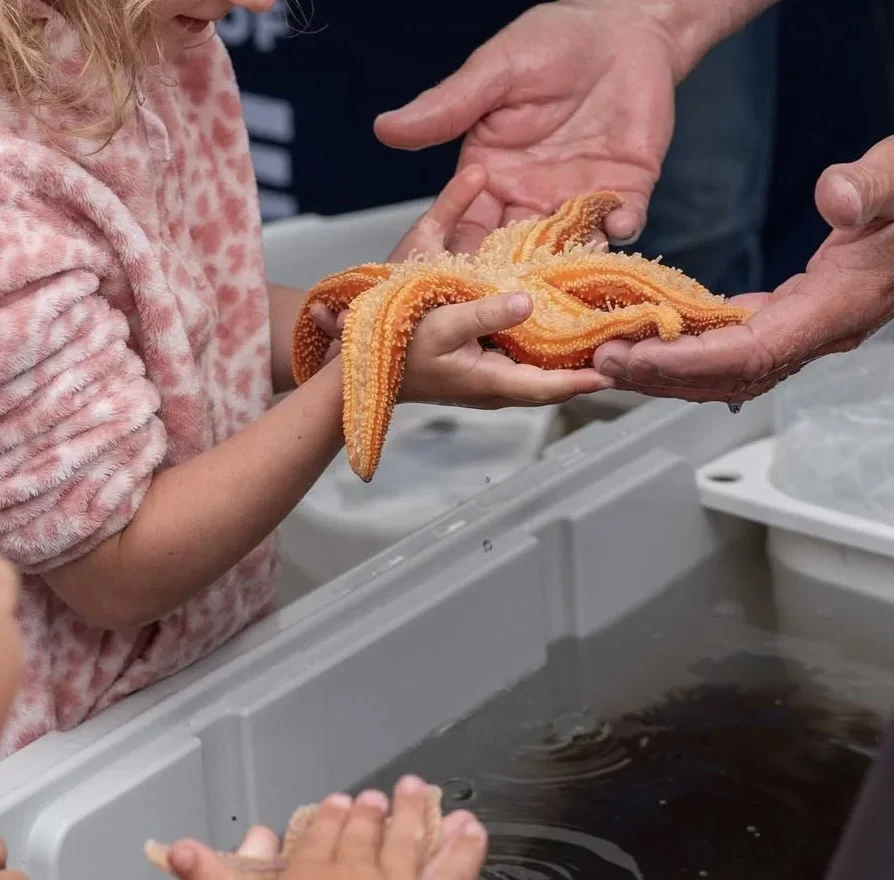
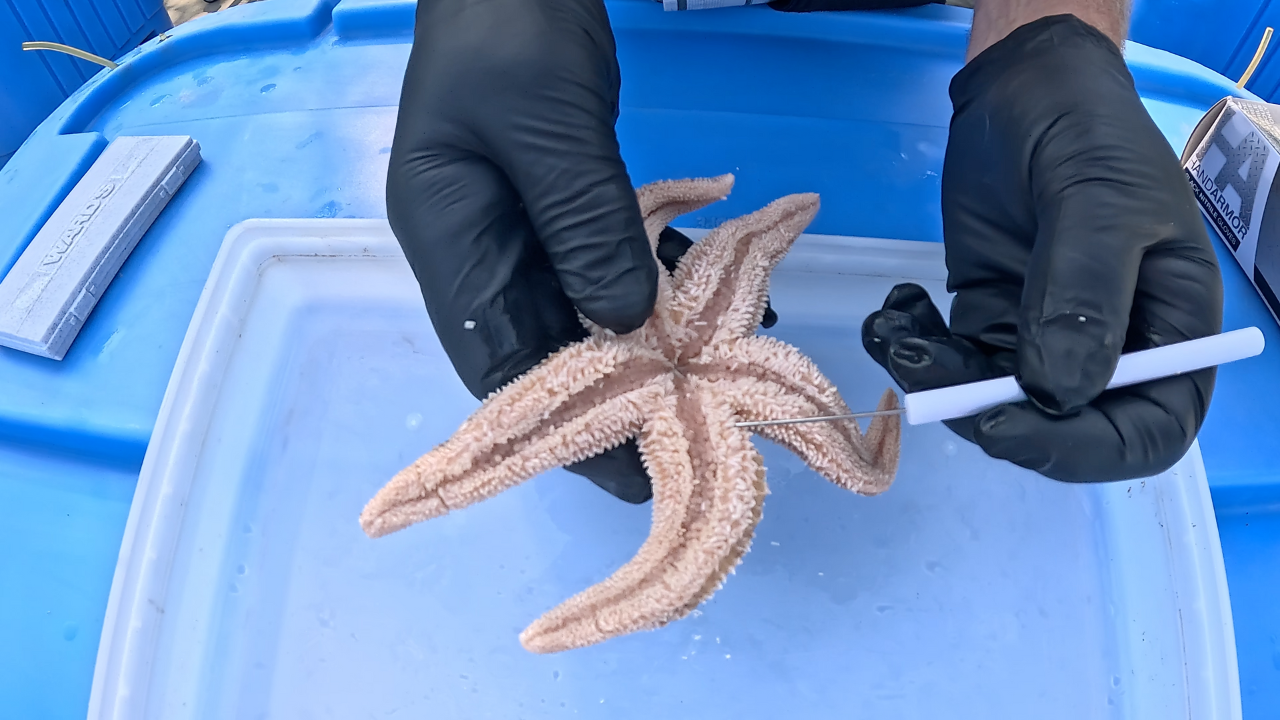
Northern Sea Star (Asterias vulgaris) – Demonstrates radial symmetry and regeneration
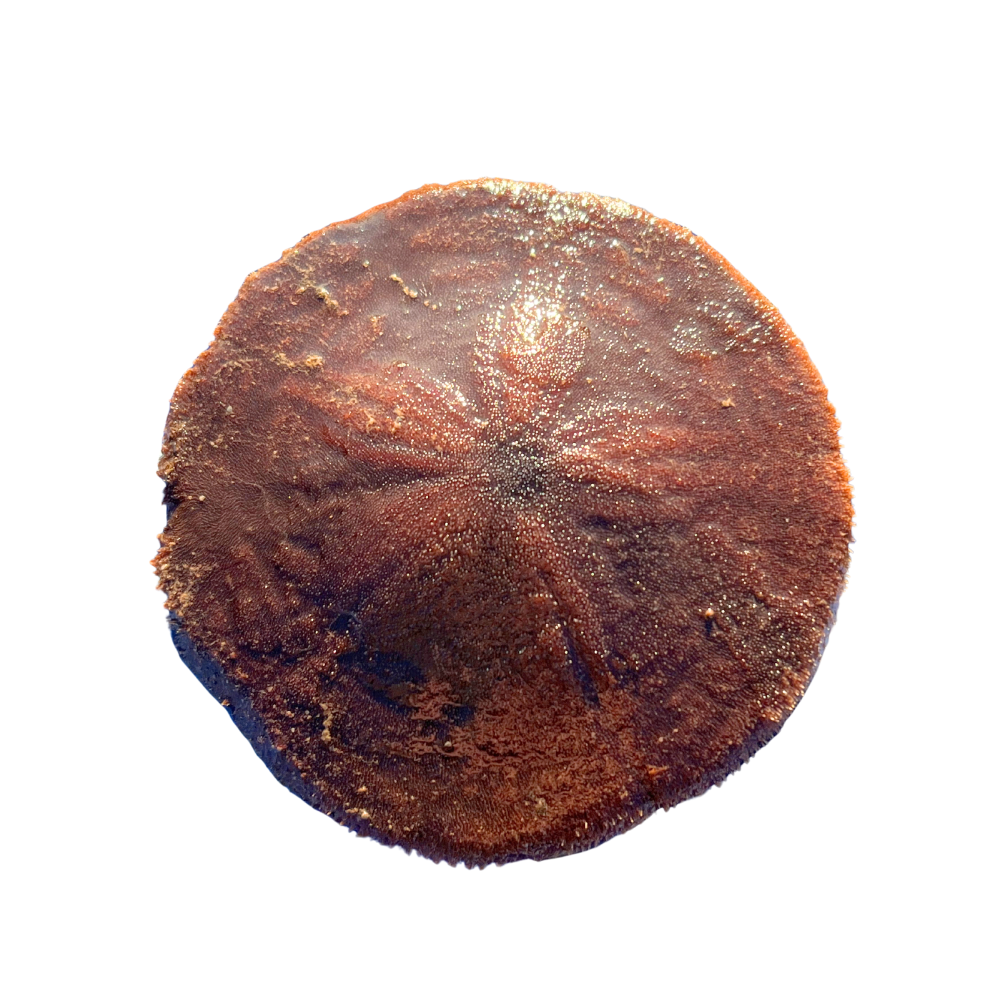
Sea Urchins – Echinoderm internal structure
Hermit Crabs – Arthropod systems and adaptation
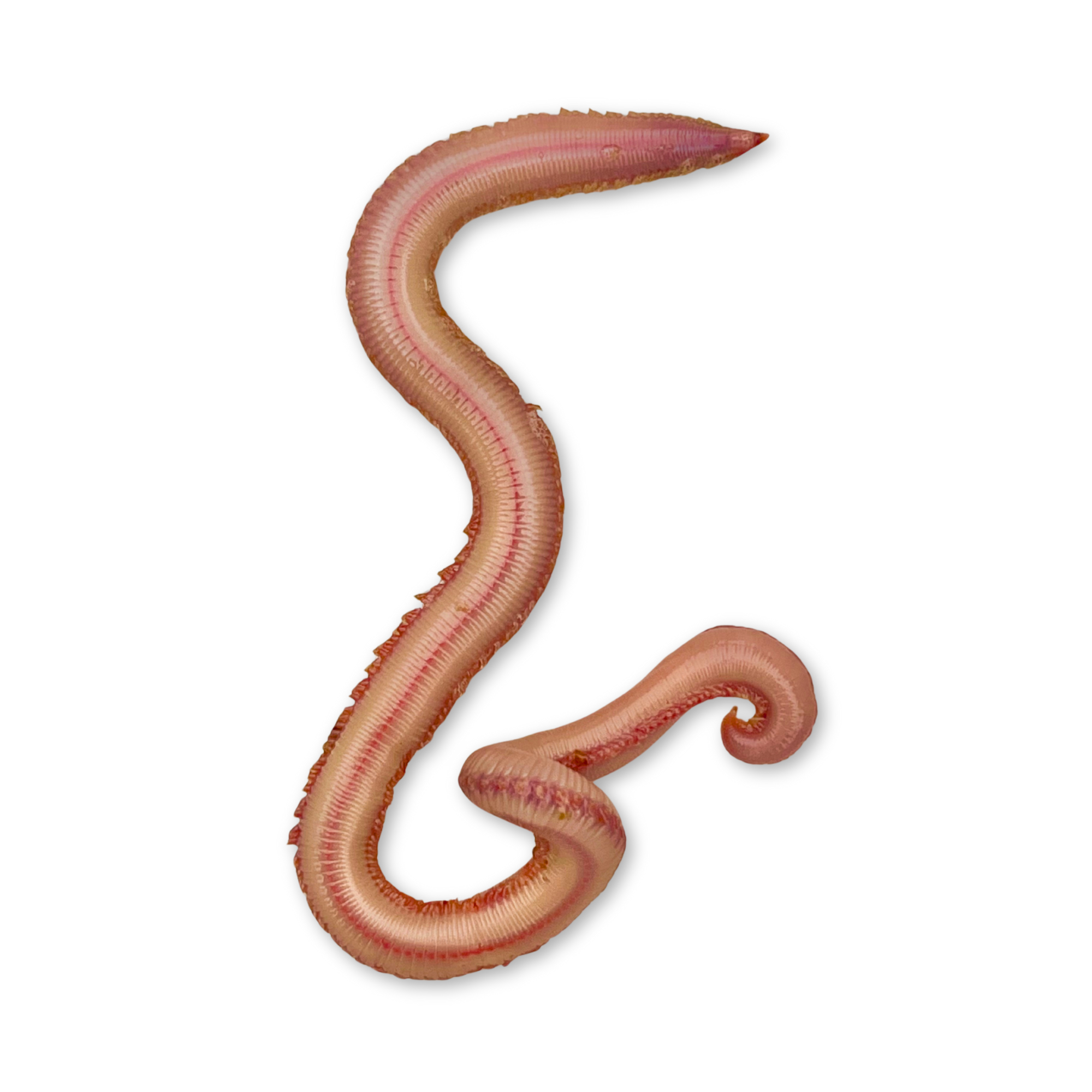
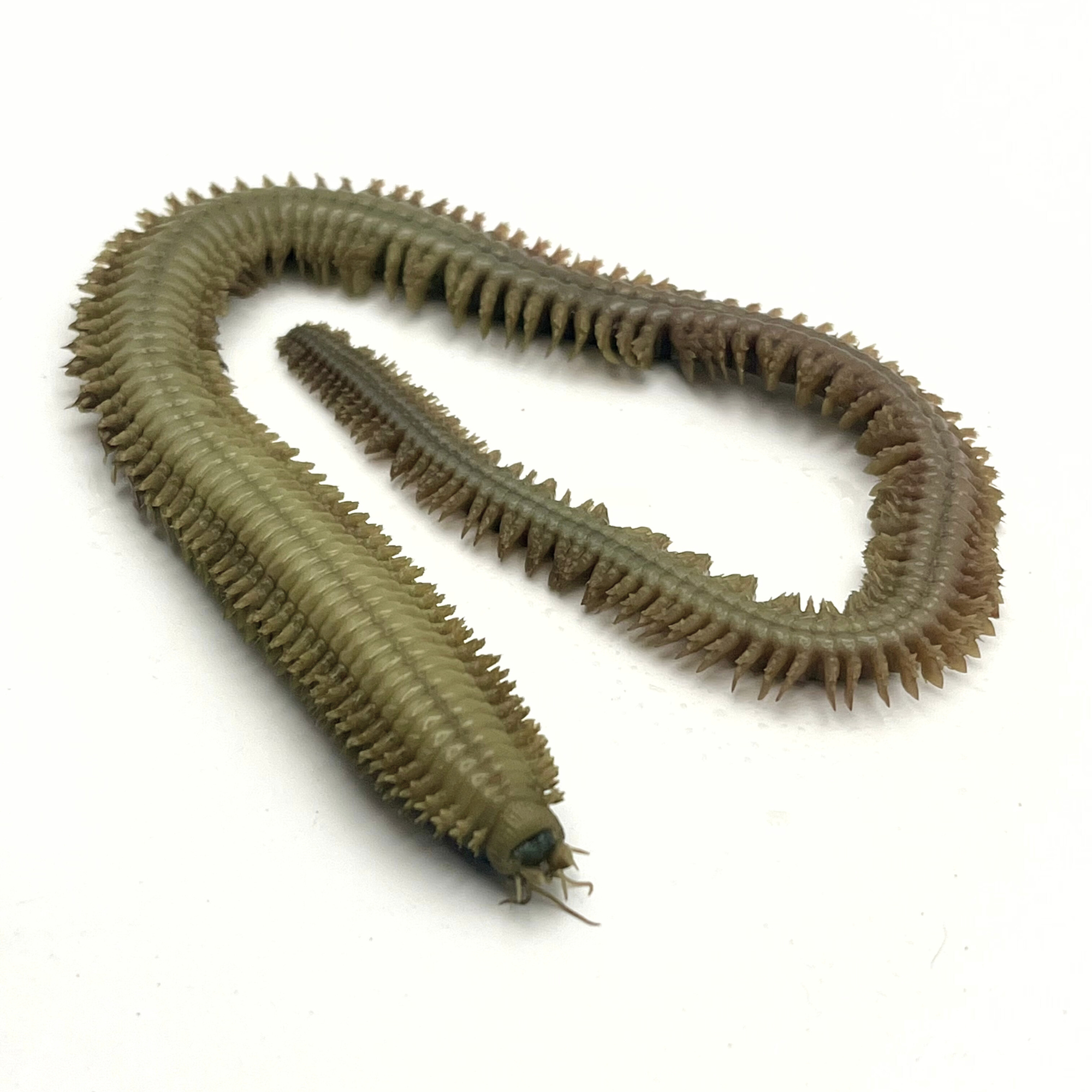
Marine worms – Segmented invertebrate anatomy
These specimens are widely used in:
High school biology classes
AP Biology programs
College and university labs
STEM enrichment programs
Independent and homeschool science curriculum
Not only are you providing your kiddos and students with a new tool to help them learn, you are creating a memorable experience that sticks way more than a diagram in a textbook. An experience they are sure to tell their friends about, furthering their learning by quickly being able to recall and become a teacher themselves.
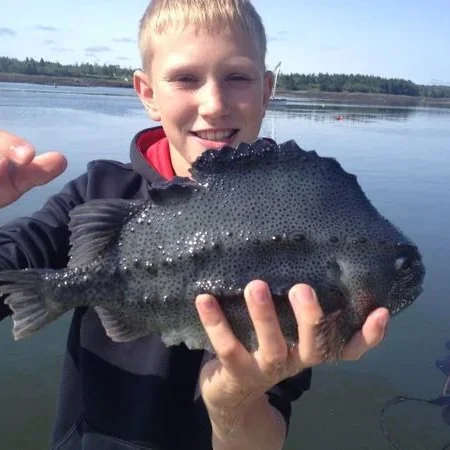
Tim’s son Finn catching a real Lumpfish in Maine
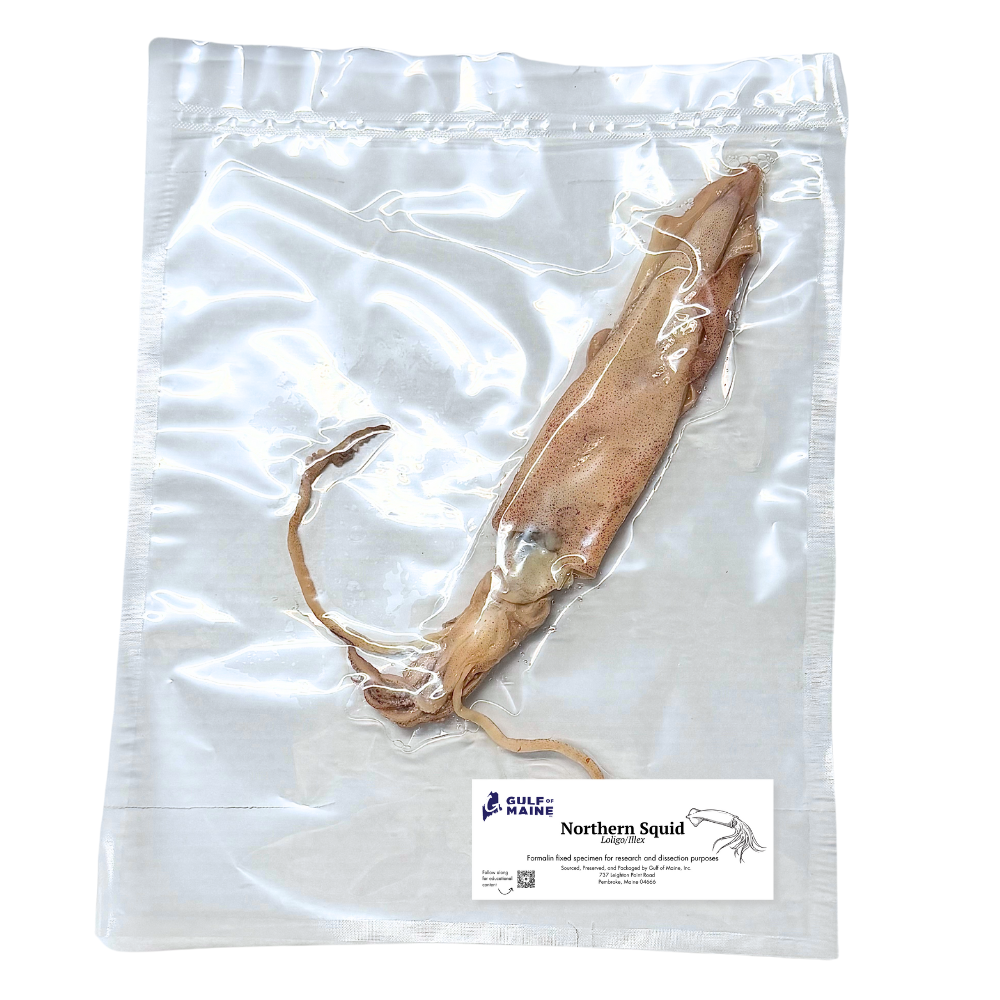
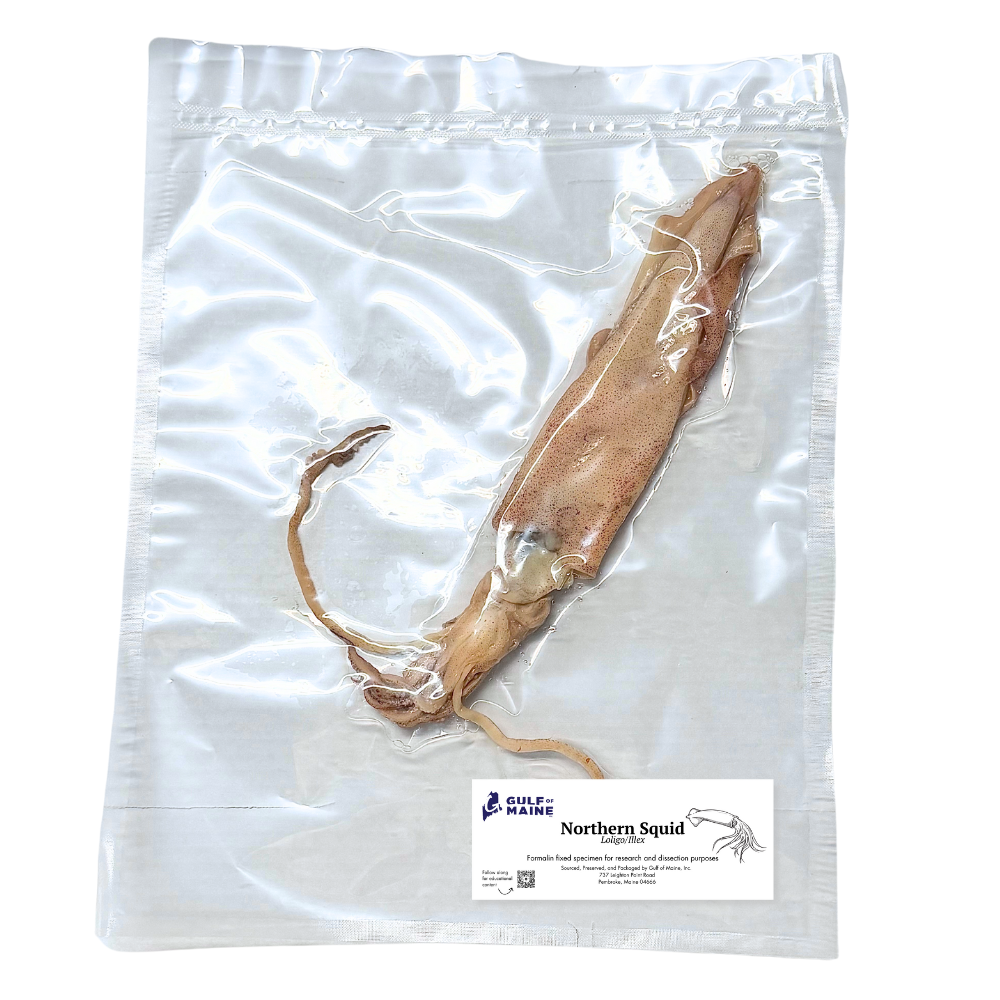
Preserved, vacuum sealed squid for dissection & learning
Vacuum-Sealed vs Jar-Preserved Specimens: What’s the Difference?
This is one of the most common questions educators have. Let’s break it down:
Traditional Jar-Preserved Specimens
Stored in liquid preservatives
Strong odor when opened
Risk of leaks during storage
Bulky and harder to transport
Often intimidating for smaller programs
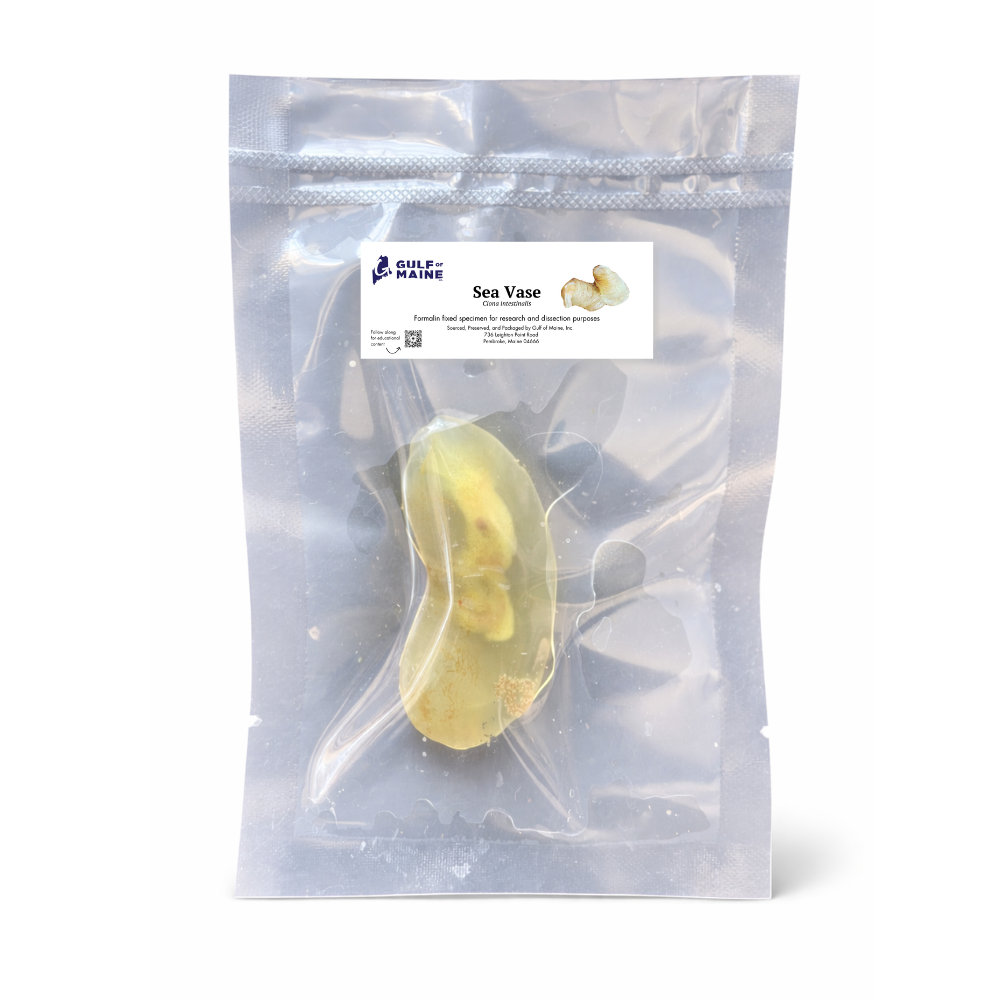
Vacuum-Sealed Marine Life Specimens
Reduced odor compared to jar storage
No leaky containers
Compact, easy storage
Cleaner handling
Extended shelf life when sealed
For schools and homeschool families alike, vacuum-sealed specimens simplify logistics without compromising anatomical integrity.
That’s why many educators now specifically search for vacuum sealed preserved specimens instead of traditional jars.
Do Preserved Marine Specimens Smell?
All preserved biological specimens have some scent due to preservation methods.
However, vacuum-sealed marine specimens significantly reduce odor exposure compared to jar-based preservation.
Because the specimen remains sealed until use, storage is cleaner and more manageable — particularly in smaller classrooms or home learning environments.
Tip: Simply soak your specimen(s) in a tub of water overnight to reduce odors even further before dissection.
How Long Do Preserved Marine Specimens Last?
When kept sealed and stored properly:
Vacuum-sealed specimens have extended shelf life (1-3+ Years).
Storage is best in a cool, dry place
Avoid direct sunlight
Keep packaging sealed until ready for use
Unlike jar specimens that may evaporate or leak over time, vacuum-sealed packaging maintains integrity until opened.
This makes them ideal for programs that order in advance or use specimens seasonally.
Are Preserved Marine Specimens Safe for Classroom or Homeschool Use?
Yes — with standard laboratory precautions.
Recommended best practices:
Wear disposable gloves
Use a lined tray or dissection board
Wash hands thoroughly after handling
Pre-soak specimens in water to reduce odors prior to dissection
Supervise younger students
Vacuum-sealed packaging makes preserved marine specimens easier to store and manage in both classrooms and home settings.
Are Marine Specimens Ethically Sourced?
Ethical sourcing matters — especially in science education.
Gulf of Maine, Inc. is a small Maine-based coastal business rooted in the ecosystem we work within. Because our livelihood depends on the health of our waters, we take seriously our responsibility to protect them. We harvest thoughtfully, follow all legal quota guidelines, and collect in a way that ensures future populations remain strong and sustainable. Our preserved marine specimens are:
Responsibly harvested
Selected with ecological awareness
Prepared with educational intent
Connected to sustainable coastal practices
Marine biologist Tidepool Tim has spent decades studying and teaching Marine Biology in Maine. His background informs how specimens are selected and handled — prioritizing educational value and responsible sourcing.
We believe science education should reflect stewardship, not just study it.
Real Marine Life from a Real Marine Biologist
Many preserved specimens available online come from large-scale suppliers with little connection to the ecosystems they originate from.
At Gulf of Maine, Inc., every preserved marine specimen reflects real field knowledge.
After years teaching high school biology, our founder Tim continues this educational mission by:
Responsibly sourcing marine life specimens
Preparing them for effective classroom study
Sharing marine biology lessons on his educational YouTube channel
His YouTube channel allows educators and students to:
Learn species identification
Review anatomical structures
Connect preserved specimens to living ecosystems
Reinforce dissection lessons with guided instruction
Real specimens.
Real ecosystems.
Real biologist.
Why Real Specimens Are Better Than Plastic Models
Plastic models are identical.
Real organisms are not.
That natural variation is essential for scientific thinking.
Students observe:
Subtle asymmetry
Tissue differences
Structural variation
Authentic anatomical complexity
Instead of memorizing idealized diagrams, they engage with biological reality.
That’s the foundation of meaningful science education.
Frequently Asked Questions About Preserved Marine Specimens
Where can I buy preserved marine specimens for dissection?
Gulf of Maine, Inc. offers ethically sourced, vacuum-sealed marine life specimens prepared for educational use. Home Science Tools is another great resource.
What are the best marine specimens for high school dissection?
Spiny dogfish, sea stars, sea urchins, and marine worms are commonly used in secondary education programs.
Are vacuum-sealed preserved specimens better than jar specimens?
Many educators prefer vacuum-sealed specimens for reduced odor, easier storage, and cleaner handling. Try both out and see what you think!
How should preserved marine specimens be stored?
Store sealed specimens in a cool, dry place away from direct sunlight until use.
Are preserved marine specimens ethical to use?
When responsibly sourced and harvested with ecological awareness — yes. Ethical sourcing is a priority at Gulf of Maine, Inc.
Strengthen Your Marine Biology Program with Authentic Specimens
Preserved marine specimens provide a direct connection to ocean life — allowing students to explore anatomy, adaptation, and ecological relationships firsthand.
At Gulf of Maine, Inc., we are proud to provide:
Ethically sourced marine life specimens
Vacuum-sealed preservation for practical use
Real-world marine biology expertise
Educational support through Tidepool Tim’s teaching
If you’re looking for preserved marine specimens for dissection that combine authenticity, ethical sourcing, and practical packaging, explore our preserved vac-sealed marine life collection.
Bring the Atlantic coast into your classroom — and let students experience real marine biology. We guarantee they wont forget it. :)